Travel Insurance & Health Guide 2025: Complete Protection & Wellness Tips for Every Trip
Master travel insurance and health with this ultimate guide covering best insurance plans, medical tips, staying healthy abroad, jet lag prevention, and expert advice for safe, worry-free travel worldwide.
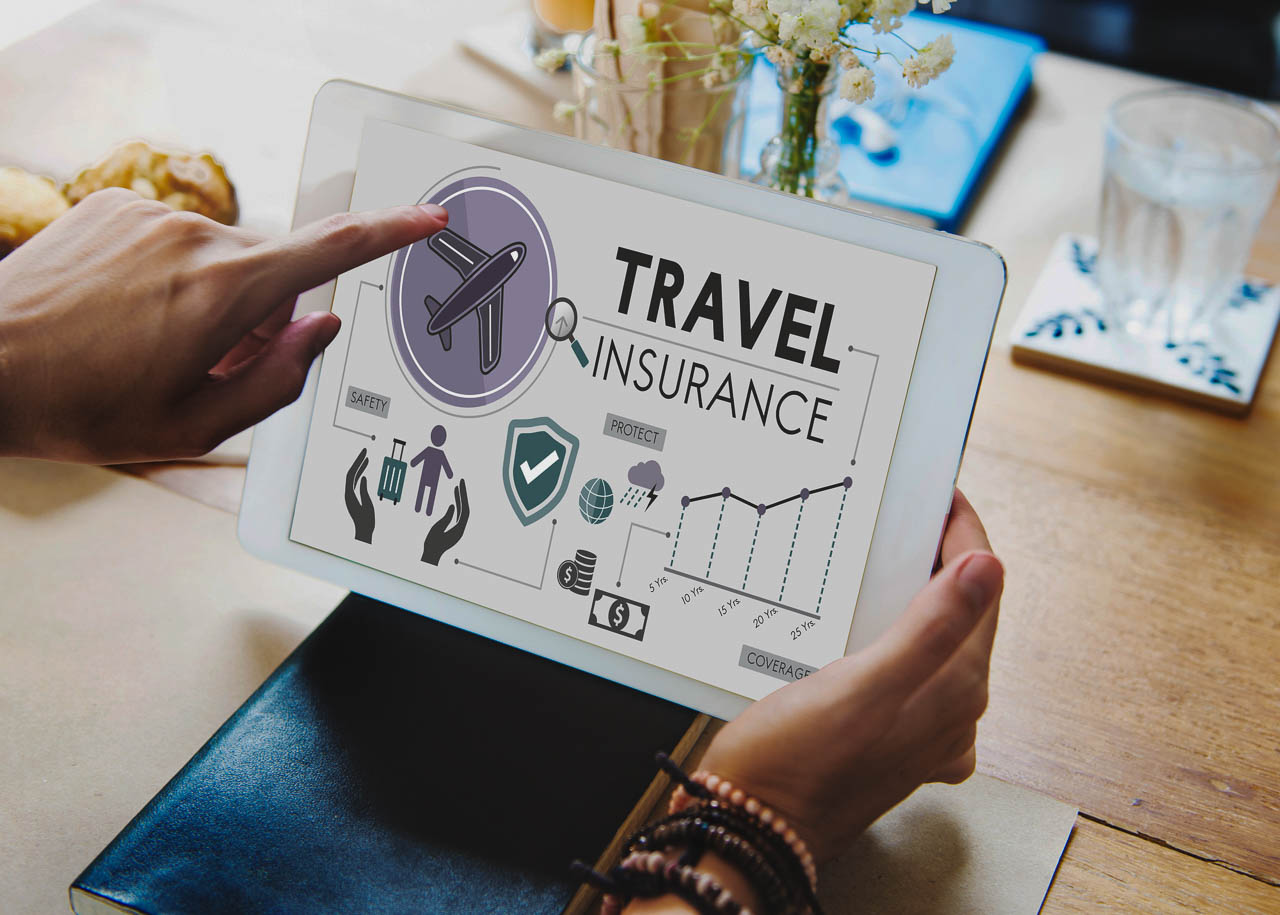
Travel Insurance & Health Guide 2025: Everything You Need to Stay Protected and Healthy While Traveling
Travel insurance and health preparation are the two most overlooked yet critical aspects of trip planning. A medical emergency abroad can cost $50,000-$250,000+ without proper coverage, while preventable health issues ruin thousands of trips annually.
After analyzing insurance claims data, consulting travel medicine specialists, reviewing hundreds of policies, and interviewing travelers who've faced medical emergencies abroad, we've created the most comprehensive travel insurance and health resource available.
This guide covers everything from choosing the best travel insurance to preventing jet lag, travel medical tips to digital nomad coverage, and answers every question about staying protected and healthy while traveling the world.
Whether you're planning a weekend European trip, a year-long sabbatical, or working remotely while traveling full-time, this guide will help you stay safe, healthy, and financially protected.
Why Travel Insurance & Health Matter: The Real Risks and Costs
Before diving into insurance policies and health tips, let's understand why proper protection is absolutely essential:
Financial Catastrophe Without Insurance:
💰 Real Medical Costs Abroad:
- Emergency Room Visit (Europe): $500-$3,000
- Hospitalization (1 day): $2,000-$10,000+
- Medical Evacuation: $25,000-$250,000
- ICU Care (1 week): $50,000-$200,000+
- Repatriation of Remains: $10,000-$50,000
Real Case Study - European Skiing Accident:
- Location: Swiss Alps
- Injury: Broken leg requiring surgery
- Helicopter rescue: $15,000
- Hospital stay (4 days): $32,000
- Surgery and treatment: $28,000
- Total without insurance: $75,000
- With insurance: $0 out of pocket
Trip Cancellation Financial Risks:
🚫 Why Trips Get Cancelled:
- Family emergency: 35% of cancellations
- Illness/injury: 28% of cancellations
- Work conflicts: 15% of cancellations
- Natural disasters: 12% of cancellations
- Other reasons: 10% of cancellations
Average Non-Refundable Trip Costs Lost:
- Weekend trip: $500-$1,500
- Week-long vacation: $3,000-$8,000
- International adventure: $5,000-$15,000
- Extended travel: $10,000-$50,000+
Health Risks While Traveling:
🏥 Common Travel Health Issues:
- Traveler's diarrhea: Affects 30-70% of travelers
- Respiratory infections: 15-20% experience
- Jet lag: Impacts 94% of long-distance travelers
- Dehydration: Affects 75% during flights
- Foodborne illness: 10-15% of travelers
Serious Complications:
- Dengue fever cases in travelers: 10,000+ annually
- Malaria in returning travelers: 2,000+ cases/year
- Hospitalization while abroad: 1 in 1,000 travelers
- Medical evacuation needed: 1 in 10,000 travelers
The 5 Golden Rules of Travel Insurance & Health
Before we dive into specifics, master these fundamental principles that experienced travelers follow religiously:
Rule #1: Never Travel Without Medical Coverage ✅
Why It's Critical:
- Your domestic health insurance typically doesn't cover international travel
- Medicare doesn't cover medical costs outside the US
- Medical bills abroad must often be paid upfront in cash
- Emergency evacuation alone can cost more than your entire trip
The Truth About "I'll Risk It":
- 1 in 6 travelers will need medical care while abroad
- Average emergency room visit abroad: $1,500-$5,000
- Medical debt from travel emergencies ruins credit for years
- GoFundMe campaigns for medical evacuations rarely succeed
Smart Strategy:
✅ Purchase medical coverage for EVERY international trip
✅ Minimum $100,000 medical coverage recommended
✅ Include emergency evacuation (minimum $250,000)
✅ Know your policy details BEFORE you leave
✅ Carry insurance cards and emergency numbers
Rule #2: Buy Insurance Early (Within 14-21 Days of Booking) ⏰
Why Timing Matters:
- Pre-existing condition waivers: Only available if purchased within 14-21 days
- Cancel for any reason coverage: Must buy within specific timeframe
- Trip delay protection: Starts from purchase date
- Maximum coverage benefits: Only available for early purchases
Cost Comparison:
- Purchased within 14 days: $100 comprehensive policy
- Purchased 1 week before trip: $100 same policy, but no pre-existing coverage
- Purchased at airport: $150+ limited coverage, major exclusions
What You Lose by Waiting:
❌ Pre-existing medical condition coverage
❌ Cancel for any reason option (50% refund)
❌ Financial default protection (if tour company goes bankrupt)
❌ Lower rates (prices increase closer to departure)
Perfect Timeline:
✅ Book trip → Immediately research insurance
✅ Within 7 days → Purchase comprehensive coverage
✅ Before 14-day window → Finalize policy
✅ Before trip → Review coverage, save documents
Rule #3: Match Coverage to Your Trip Type & Risk Profile 🎯
Not All Policies Are Created Equal:
Weekend Trip to Canada:
- Minimum medical: $50,000
- Trip cancellation: Match trip cost
- Medical evacuation: $100,000
- Estimated cost: $20-$40
2-Week European Vacation:
- Minimum medical: $100,000
- Trip cancellation: Match trip cost ($5,000-$10,000)
- Medical evacuation: $250,000
- Baggage loss: $2,500
- Estimated cost: $150-$300
3-Month Digital Nomad Travel:
- Minimum medical: $250,000-$500,000
- Emergency evacuation: $500,000
- Ongoing coverage (not single-trip)
- Electronics coverage: $5,000+
- Estimated cost: $500-$1,200
Adventure Travel (Skiing, Diving, Climbing):
- Minimum medical: $250,000
- Adventure sports rider: Required
- Evacuation: $500,000 (including helicopter)
- Search and rescue: $25,000+
- Estimated cost: $200-$500
Cruise Travel:
- Medical evacuation from ship: $250,000+
- Missed port coverage
- Trip interruption
- Medical at sea: $100,000+
- Estimated cost: $150-$400
Rule #4: Prevention Is Cheaper Than Treatment 💊
Cost-Benefit Analysis:
Preventive Measures (One-Time Investment):
- Routine vaccinations before trip: $0-$300
- Travel medical kit: $30-$75
- Pre-travel doctor consultation: $0-$150
- Prescription medications (90-day supply): $20-$100
- Total prevention cost: $50-$625
Treatment Costs Abroad Without Prevention:
- Traveler's diarrhea treatment abroad: $200-$800
- Respiratory infection treatment: $300-$1,500
- Dehydration IV treatment: $500-$2,000
- Foodborne illness hospital stay: $2,000-$10,000
- Average preventable illness: $1,000-$5,000
ROI on Prevention:
- Spend $200 on prevention → Save $2,000+ on treatment
- 10:1 return on investment
- Plus: Save vacation time, reduce suffering, avoid complications
High-ROI Preventive Actions:
✅ Get destination-specific vaccinations (6-8 weeks before)
✅ Pack comprehensive medical kit
✅ Bring prescription medications (90-day supply)
✅ Research local health risks
✅ Stay hydrated, eat carefully, practice hygiene
Rule #5: Read the Fine Print & Know Your Coverage 📋
Critical Details Buried in Policies:
Common Exclusions That Shock Travelers:
❌ Pre-existing conditions: Not covered unless waiver purchased early
❌ Adventure sports: Skiing, diving, climbing often excluded
❌ Alcohol-related incidents: Many policies exclude
❌ High-risk destinations: War zones, travel advisory areas
❌ Risky behaviors: Motorcycle rentals without proper license
❌ Mental health: Often limited or excluded
❌ Routine care: Check-ups, prescriptions not covered
What "Emergency Medical" Actually Covers:
✅ Emergency room visits for sudden illness/injury
✅ Hospitalization for acute conditions
✅ Emergency surgery
✅ Emergency dental (usually capped at $500)
❌ Routine doctor visits
❌ Pre-planned treatments
❌ Ongoing medication refills
❌ Elective procedures
The 10 Questions to Ask Your Insurer:
- What pre-existing conditions are covered?
- Does it cover adventure sports I plan to do?
- What's the medical evacuation coverage limit?
- Do I need to pay upfront or does insurance pay directly?
- What's excluded from coverage?
- Is there a deductible? How much?
- Does it cover trip cancellation for work reasons?
- What documentation is required for claims?
- Is there 24/7 emergency assistance?
- Does it cover COVID-19 related issues?
Complete Travel Insurance Buyer's Guide
Understanding Policy Types
1. Single-Trip Travel Insurance
Best For:
- One-time vacations
- Infrequent travelers (1-2 trips/year)
- Specific trip protection
What's Covered:
✅ Medical emergencies during trip dates
✅ Trip cancellation/interruption
✅ Baggage loss/delay
✅ Travel delays
✅ Emergency evacuation
Typical Coverage Limits:
- Medical: $50,000-$500,000
- Evacuation: $100,000-$1,000,000
- Trip cancellation: Up to trip cost
- Baggage: $500-$3,000
Cost Range: $50-$500 depending on trip cost and duration
2. Annual/Multi-Trip Insurance
Best For:
- Frequent travelers (3+ trips/year)
- Business travelers
- Digital nomads with home base
What's Covered:
✅ Unlimited trips within 12 months
✅ Each trip typically limited to 30-90 days
✅ Continuous medical coverage
✅ Multiple trip cancellations
Cost Comparison:
- 3 single-trip policies: $450
- Annual multi-trip: $300-$600
- Savings: $150+ for 3+ trips
Important Limits:
⚠️ Maximum trip length (usually 30-45 days)
⚠️ Total coverage amount per year
⚠️ May not cover trip costs (medical only)
3. Long-Term Travel Insurance (Digital Nomad/Expat)
Best For:
- Digital nomads
- Long-term travelers (3+ months)
- Remote workers abroad
- Gap year travelers
Specialized Coverage:
✅ Extended duration (6-12 months renewable)
✅ Higher medical limits ($500,000-$5,000,000)
✅ Electronics/laptop coverage
✅ Worldwide coverage (usually excludes US due to cost)
✅ No trip length restrictions
Top Providers:
- SafetyWing: $45-$60/month, designed for nomads
- World Nomads: $100-$200/month, adventure coverage
- IMG Global: $80-$150/month, comprehensive
- Integra Global: $150-$300/month, premium
Cost Range: $500-$3,000 per year
4. Adventure/Sports Travel Insurance
Best For:
- Skiing/snowboarding trips
- Scuba diving vacations
- Rock climbing/mountaineering
- Extreme sports enthusiasts
Required Coverage Additions:
✅ Adventure sports rider
✅ Search and rescue coverage
✅ Helicopter evacuation
✅ Equipment coverage
✅ Higher medical limits
Common Adventure Activities Requiring Riders:
- Skiing/snowboarding (off-piste)
- Scuba diving (below 30m depth)
- Rock climbing/mountaineering
- Bungee jumping/skydiving
- White water rafting (Class IV+)
- Motorcycle/ATV riding
Cost Impact: Add $50-$200 to base policy
Essential Coverage Components Explained
Medical Coverage: The Foundation
Minimum Recommended by Destination:
- Canada/Mexico: $100,000 minimum
- Europe: $100,000-$250,000
- Asia: $100,000-$250,000
- Expensive countries (Japan, Switzerland): $250,000+
- Adventure travel: $250,000-$500,000
What Medical Coverage Includes:
✅ Emergency room visits
✅ Hospital stays
✅ Doctor consultations
✅ Prescription medications
✅ Emergency surgery
✅ Ambulance services
✅ Medical tests/imaging
What's Usually NOT Included:
❌ Routine check-ups
❌ Pre-existing conditions (without waiver)
❌ Elective procedures
❌ Dental (except emergency)
❌ Vision care
❌ Mental health (limited)
Emergency Medical Evacuation: Critical Protection
Why It's Essential:
- Local hospital may not have adequate facilities
- Specialized treatment may require transport to different country
- Medical evacuation costs $25,000-$250,000+
- Credit cards won't cover this expense
Real Evacuation Scenarios:
- Heart attack in rural Thailand → Bangkok hospital: $8,000
- Skiing accident in Alps → Helicopter to trauma center: $35,000
- Stroke in cruise ship → Emergency flight to US: $125,000
- Diving accident in Caribbean → Hyperbaric chamber facility: $45,000
Recommended Minimums:
- Standard travel: $250,000
- Remote destinations: $500,000
- Cruise travel: $500,000-$1,000,000
- Adventure sports: $500,000+
Trip Cancellation/Interruption: Protect Your Investment
Covered Reasons (Typical Policies):
✅ Illness/injury (you or family member)
✅ Death in family
✅ Natural disasters at destination
✅ Jury duty
✅ Work layoff
✅ Home emergency (fire, flood)
✅ Travel supplier bankruptcy
NOT Usually Covered:
❌ Changed your mind
❌ Work schedule changes
❌ Fear of travel
❌ Missed alarm/transportation
❌ Financial hardship
❌ Destination seems less appealing
Cancel for Any Reason (CFAR) Upgrade:
- Must purchase within 14-21 days of initial trip deposit
- Covers 50-75% of trip cost (not 100%)
- Costs 40-60% more than standard policy
- Worth it for: expensive trips, uncertain plans, high-risk situations
Trip Interruption vs. Cancellation:
- Cancellation: Reimburses costs when trip cancelled before departure
- Interruption: Covers unused portion + return home costs if trip cut short
- Example: $5,000 Europe trip, return home on day 5 of 10
- Unused 5 days: $2,500
- Emergency flight home: $1,200
- Total reimbursement: $3,700
Baggage Coverage: Limited But Helpful
Typical Coverage Limits:
- Total baggage loss: $500-$3,000
- Per item limit: $250-$500
- Electronics limit: $250-$500
- Jewelry/valuables: $500-$1,000
When Baggage Claims Get Denied:
❌ Items left unattended
❌ Valuables in checked luggage
❌ No receipts for claimed items
❌ Didn't report to airline within 24 hours
❌ Normal wear and tear
Better Protection Strategy:
✅ Use credit card baggage coverage (often better)
✅ Carry valuables in personal item
✅ Keep receipts for expensive items
✅ Document condition before trip
✅ File police report immediately if stolen
How to Choose the Best Travel Insurance for Your Needs
Step 1: Calculate Your Coverage Needs
Medical Coverage Calculation:
Base: $100,000
+ High-cost destination (Japan, Switzerland): +$150,000
+ Pre-existing conditions: +$100,000
+ Adventure sports: +$100,000
+ Age 60+: +$100,000
= Your medical coverage need
Trip Cost Protection:
- Add up all non-refundable expenses:
- Flights: $____
- Hotels: $____
- Tours/activities: $____
- Cruises: $____
- Total trip cost to insure: $____
Step 2: Compare Leading Providers
Best Overall: World Nomads
- Strengths: Adventure coverage, flexible, good reputation
- Coverage: $100,000-$300,000 medical, high evacuation limits
- Cost: $100-$300 for 2-week trip
- Best for: Backpackers, adventure travelers, flexible plans
Best Value: Allianz Travel Insurance
- Strengths: Affordable, widely available, good app
- Coverage: Customizable plans, standard to comprehensive
- Cost: $50-$250 for 2-week trip
- Best for: Budget travelers, families, standard trips
Best for Digital Nomads: SafetyWing
- Strengths: Monthly billing, designed for remote workers
- Coverage: $250,000 medical, continuous coverage
- Cost: $45-$60/month
- Best for: Long-term travelers, digital nomads, flexible lifestyles
Best Comprehensive: IMG Global
- Strengths: High coverage limits, excellent evacuation
- Coverage: Up to $1,000,000+ medical
- Cost: $150-$500 for 2-week trip
- Best for: Luxury travelers, high-risk destinations, peace of mind
Best for Seniors: Seven Corners
- Strengths: No age limits, pre-existing condition coverage
- Coverage: Comprehensive medical, specialized senior plans
- Cost: $200-$600 (increases with age)
- Best for: Travelers 65+, pre-existing conditions
Best for Families: Travelex
- Strengths: Kids covered free (age limits apply), family plans
- Coverage: Comprehensive family coverage
- Cost: $150-$400 for family of 4
- Best for: Family vacations, group travel
Step 3: Read Reviews and Check Financial Strength
Where to Research:
✅ InsureMyTrip.com: Compare 20+ providers side-by-side
✅ Squaremouth.com: Independent comparison, customer reviews
✅ Trustpilot: Real customer experiences
✅ AM Best Ratings: Check insurer financial strength (A- or higher)
Red Flags to Avoid:
🚩 Provider with rating below B+
🚩 Consistent complaints about claim denials
🚩 Unclear policy language
🚩 No 24/7 emergency assistance
🚩 Prices significantly lower than competitors (too good to be true)
Step 4: Understand the Claims Process BEFORE You Buy
Key Questions:
- Do I pay upfront and get reimbursed, or does insurance pay directly?
- What documentation is required for medical claims?
- Is there a deductible? How much?
- How long does claim processing take?
- Is there 24/7 emergency assistance in my language?
Claims Success Tips:
✅ Save ALL receipts (medical, transportation, accommodation)
✅ Get detailed medical reports and diagnoses
✅ Document everything with photos
✅ File claims promptly (within 30-90 days)
✅ Keep copies of all documentation
✅ Follow up regularly on claim status
Complete Travel Health Guide
Pre-Travel Health Preparation (6-8 Weeks Before)
Step 1: Schedule Travel Medicine Consultation
Where to Go:
- Travel medicine clinic (find via CDC or ISTM website)
- Primary care physician with travel medicine training
- Passport Health or similar travel health clinic
What to Bring:
✅ Itinerary with all destinations
✅ Current vaccination records
✅ List of current medications
✅ Pre-existing condition information
✅ Insurance information
Cost: $100-$300 (often covered by insurance)
Step 2: Get Destination-Specific Vaccinations
Routine Vaccinations (Ensure Up-to-Date):
✅ Tetanus/Diphtheria/Pertussis (Tdap): Every 10 years
✅ Measles/Mumps/Rubella (MMR): 2 doses lifetime
✅ COVID-19: Current recommendations
✅ Influenza: Annual (especially for cruises)
✅ Pneumonia: If 65+ or immunocompromised
Region-Specific Vaccinations:
Latin America:
✅ Hepatitis A (2-dose series)
✅ Typhoid (oral or injection)
✅ Yellow Fever (required for some countries)
⚠️ Malaria prophylaxis (depending on region)
Africa:
✅ Yellow Fever (required for most countries)
✅ Hepatitis A & B
✅ Typhoid
✅ Meningitis (sub-Saharan Africa)
⚠️ Malaria prophylaxis (most regions)
⚠️ Rabies (if rural areas/animal contact)
Asia:
✅ Hepatitis A
✅ Typhoid
✅ Japanese Encephalitis (rural areas, rainy season)
⚠️ Malaria prophylaxis (Southeast Asia rural areas)
⚠️ Rabies (if animal contact likely)
Southeast Asia (Thailand, Vietnam, Cambodia):
✅ Hepatitis A
✅ Typhoid
✅ Japanese Encephalitis (rural/extended stays)
⚠️ Dengue awareness (no vaccine widely available in US yet)
Vaccination Costs (Without Insurance):
- Hepatitis A: $60-$100 per dose (2 doses)
- Typhoid: $90-$150
- Yellow Fever: $150-$300
- Japanese Encephalitis: $300-$400 (3 doses)
- Rabies: $300-$500 (3 doses)
Insurance Coverage:
- Most insurance covers routine vaccines
- Travel-specific vaccines often not covered
- Check with provider before appointment
Timeline Requirements:
⏰ Some vaccines require multiple doses over weeks/months
⏰ Full protection takes 2-4 weeks after final dose
⏰ Start vaccination process 6-8 weeks before departure
Step 3: Obtain Necessary Medications
Prescription Medications Strategy:
✅ Get 90-day supply (or trip length + 1 week extra)
✅ Keep in original labeled bottles
✅ Bring copy of prescription
✅ Research if medication is legal in destination countries
✅ Carry in carry-on luggage (never checked bags)
Malaria Prophylaxis Options:
Atovaquone-Proguanil (Malarone):
- Dosing: Daily, 1-2 days before through 7 days after
- Cost: $100-$150 for 2-week supply
- Pros: Short pre/post-trip dosing, few side effects
- Cons: Expensive, daily dosing
Doxycycline:
- Dosing: Daily, 1-2 days before through 28 days after
- Cost: $20-$50 for month supply
- Pros: Cheap, helps prevent traveler's diarrhea too
- Cons: Sun sensitivity, longer post-trip dosing, GI upset
Mefloquine (Lariam):
- Dosing: Weekly, 2 weeks before through 4 weeks after
- Cost: $50-$100
- Pros: Weekly dosing
- Cons: Neuropsychiatric side effects (vivid dreams, anxiety), not for everyone
Altitude Sickness Prevention (High-Altitude Destinations):
- Acetazolamide (Diamox): $20-$40
- Destinations: Cusco/Machu Picchu, La Paz, Tibet, Kilimanjaro
- Start 1-2 days before ascent
Traveler's Diarrhea Treatment:
- Azithromycin: Antibiotic, $20-$40 for treatment course
- Loperamide (Imodium): OTC, symptom relief
- Have prescription ready, don't take daily
Motion Sickness:
- Scopolamine patch: Prescription, $50-$100
- Meclizine (Dramamine): OTC, $10-$15
- For cruises, boat trips, winding mountain roads
Build Your Travel Medical Kit
Essential Items (The Non-Negotiables):
First Aid Basics:
✅ Adhesive bandages (various sizes): $5
✅ Antibiotic ointment (Neosporin): $8
✅ Gauze pads and medical tape: $10
✅ Blister treatment (Compeed/moleskin): $12
✅ Digital thermometer: $10
✅ Tweezers and small scissors: $8
Medications:
✅ Pain reliever (ibuprofen/acetaminophen): $8
✅ Anti-diarrheal (loperamide): $8
✅ Antihistamine (Benadryl/Zyrtec): $10
✅ Antacid (Tums/Pepto-Bismol): $8
✅ Motion sickness (Dramamine): $10
✅ Hydration salts (Pedialyte powder): $12
Hygiene/Prevention:
✅ Hand sanitizer (60%+ alcohol): $5
✅ Insect repellent (DEET 30%+ or Picaridin): $12
✅ Sunscreen (SPF 30+): $15
✅ Water purification tablets: $12
✅ Face masks: $10
Total Essential Kit Cost: $150-$175
Advanced Items (For Extended/Remote Travel):
✅ Oral rehydration salts (ORS packets): $15
✅ Antibiotic ointment with pain relief: $10
✅ Elastic bandage (ACE wrap): $8
✅ Instant cold pack: $5
✅ CPR face shield: $8
✅ Medical gloves: $5
✅ Tick removal tool: $5
✅ Wound closure strips (Steri-Strips): $8
✅ Eye drops: $10
✅ Antibiotic pills (prescription - Azithromycin): $30
Destination-Specific Additions:
Tropical Destinations:
✅ Permethrin spray (treat clothing): $15
✅ Mosquito net (if not provided): $20
✅ Anti-fungal cream: $12
✅ Extra insect repellent: $12
High Altitude:
✅ Altitude sickness medication (Diamox - prescription): $30
✅ Extra pain relievers: $8
✅ Lip balm with SPF: $5
Remote/Adventure Travel:
✅ Israeli bandage (trauma dressing): $15
✅ Sam splint: $12
✅ Emergency blanket: $8
✅ Whistle: $5
✅ Comprehensive first aid guide: $15
Organization:
✅ Clear toiletry bag (TSA compliant): $15
✅ Small waterproof container: $10
✅ Pill organizer: $8
✅ Medical information card (allergies, blood type): Free
Staying Healthy While Traveling: The Complete Guide
Food Safety: Avoiding Traveler's Diarrhea
The Golden Rules:
✅ "Boil it, cook it, peel it, or forget it"
✅ Eat food that's steaming hot
✅ Avoid raw vegetables and salads
✅ Peel your own fruits
✅ Skip ice in drinks
✅ Avoid street food unless visibly fresh and cooked to order
Safe Food Choices:
✅ Freshly cooked hot meals
✅ Dry foods (bread, crackers)
✅ Fruits you peel yourself (bananas, oranges)
✅ Sealed packaged foods
✅ Well-done meat (fully cooked through)
Risky Foods to Avoid:
❌ Salads and raw vegetables
❌ Unpeeled fruits
❌ Unpasteurized dairy
❌ Raw or undercooked meat/seafood
❌ Buffets (food sitting out)
❌ Street vendor salads/cold dishes
❌ Ice (water quality unknown)
Water Safety:
Safe Water Sources:
✅ Bottled water (check seal is intact)
✅ Boiled water (1 minute at sea level, 3 minutes at altitude)
✅ Filtered water (0.1 micron filter)
✅ Purified water (iodine/chlorine tablets)
✅ Carbonated beverages in sealed bottles
Water Risk Behaviors:
❌ Tap water in developing countries
❌ Ice made from tap water
❌ Brushing teeth with tap water
❌ Shower water in mouth
❌ Swimming in contaminated water
❌ Fountain drinks (ice + water source unknown)
Best Water Purification Methods:
LifeStraw or Sawyer Filter:
- Cost: $20-$50
- Filters bacteria and protozoa
- Doesn't remove viruses (usually not issue except Asia)
- Lightweight, portable
Steripen UV Purifier:
- Cost: $50-$100
- Kills bacteria, viruses, protozoa
- Battery powered
- Works fast (90 seconds)
Purification Tablets:
- Cost: $10-$20 for 50+ tablets
- Kills most pathogens
- Takes 30-60 minutes
- Slight taste (can be masked)
Hydration Strategy:
✅ Drink 2-3 liters daily (more in hot climates)
✅ Carry reusable bottle with filter
✅ Drink before you feel thirsty
✅ Avoid alcohol dehydration
✅ Increase intake during flights
Hand Hygiene: Your Best Defense
When to Wash/Sanitize:
✅ Before eating or touching food
✅ After using bathroom
✅ After touching animals
✅ After handling money
✅ After public transportation
✅ Before touching your face
✅ After visiting markets
Proper Hand Washing:
- Wet hands with clean water
- Apply soap
- Lather for 20+ seconds (entire hand, between fingers, under nails)
- Rinse thoroughly
- Dry with clean towel or air dry
Hand Sanitizer Best Practices:
✅ Use 60%+ alcohol content
✅ Cover all hand surfaces
✅ Rub until dry (20+ seconds)
✅ Reapply frequently
✅ Carry small bottle in day bag
Sleep & Rest: Critical for Immune Function
Why Sleep Matters While Traveling:
- Immune system weakens with poor sleep
- Increased susceptibility to illness
- Slower recovery from jet lag
- Reduced mental clarity and decision-making
Strategies for Better Sleep While Traveling:
✅ Maintain consistent sleep schedule (even with time zones)
✅ Create dark environment (eye mask, blackout curtains)
✅ White noise or earplugs
✅ Avoid screens 1 hour before bed
✅ Limit alcohol (disrupts sleep quality)
✅ Light exercise during day
✅ Avoid heavy meals before bed
Jet Lag-Friendly Sleep Schedule:
- Adjust sleep time by 1 hour per day before departure
- Use melatonin strategically (0.5-5mg at destination bedtime)
- Get sunlight exposure at appropriate times
- Stay awake until normal bedtime at destination
Exercise & Movement:
✅ Walk 10,000+ steps daily (exploring counts!)
✅ In-flight exercises every 2 hours
✅ Hotel room bodyweight workout (15 minutes)
✅ Yoga or stretching (great for flexibility)
✅ Swim if hotel has pool
Benefits:
- Reduces DVT risk on flights
- Boosts immune system
- Improves sleep quality
- Reduces stress
- Maintains energy levels
How to Prevent Jet Lag: Science-Based Strategies
Understanding Jet Lag:
What Causes Jet Lag:
- Circadian rhythm disruption
- Crosses multiple time zones rapidly
- Body's internal clock misaligned with local time
- Affects sleep, digestion, mood, cognitive function
Severity Factors:
- Number of time zones: More zones = worse jet lag
- Direction: Eastward travel harder than westward
- Age: Worse for adults 60+
- Individual variation: Some people more sensitive
Jet Lag Symptoms:
😴 Fatigue and exhaustion
😵 Difficulty concentrating
🥱 Insomnia or disrupted sleep
🤢 Digestive issues
😠 Mood changes, irritability
🤕 Headaches
💪 Reduced physical performance
Recovery Time (Without Intervention):
- Rule of thumb: 1 day per time zone crossed
- 6-hour time difference = 6 days to fully adjust
- Eastward travel takes 50% longer than westward
Pre-Flight Jet Lag Prevention
3-7 Days Before Departure:
Gradual Sleep Schedule Adjustment:
- Traveling East: Go to bed 1 hour earlier each night
- Traveling West: Go to bed 1 hour later each night
- Adjust wake time accordingly
- Maximum adjustment: 3 hours before departure
Example - LA to Paris (9-hour difference):
- 3 days before: Bed at 10 PM instead of 11 PM
- 2 days before: Bed at 9 PM
- 1 day before: Bed at 8 PM
- Result: 3-hour head start on adjustment
Light Exposure Strategy (Pre-Trip):
- Traveling East: Seek bright light in morning, avoid evening light
- Traveling West: Seek light in evening, use sunglasses in morning
- Use light therapy lamp if needed (10,000 lux)
Day Before Departure:
✅ Get full night's sleep (well-rested helps adjustment)
✅ Stay hydrated (2-3 liters water)
✅ Avoid alcohol
✅ Pack melatonin supplements
✅ Set watch to destination time
During Flight Jet Lag Prevention
Immediately Upon Boarding:
✅ Set watch to destination time - start thinking in new timezone
✅ Decide sleep/wake plan based on arrival time
✅ Hydrate immediately (drink water every hour)
Sleep Strategy on Plane:
If Arriving Morning/Midday at Destination:
✅ Try to sleep on plane (mimics nighttime)
✅ Take melatonin 30 mins before desired sleep (0.5-5mg)
✅ Use eye mask, earplugs, neck pillow
✅ Avoid screens (blue light disrupts sleep)
✅ Recline seat, get comfortable
If Arriving Evening at Destination:
✅ Stay awake on plane
✅ Watch movies, read, work
✅ Move around cabin frequently
✅ Drink coffee/caffeine strategically
✅ Avoid sleeping (wait for destination night)
Hydration is Critical:
- Cabin air is 10-20% humidity (desert-level dryness)
- Dehydration worsens jet lag symptoms
- Goal: 8oz water per flight hour
In-Flight Hydration Plan:
✅ Drink 8oz water every hour
✅ Avoid alcohol (dehydrates, disrupts sleep)
✅ Limit caffeine (can disrupt sleep plan)
✅ Eat water-rich foods (fruit)
✅ Use hydrating face mist
Movement & Circulation:
✅ Walk aisle every 2 hours
✅ Ankle circles and leg stretches while seated
✅ Stand and stretch
✅ Prevents DVT (deep vein thrombosis)
✅ Reduces stiffness and fatigue
Food Strategy:
✅ Eat light meals (heavy food disrupts sleep)
✅ Avoid excessive salt (causes water retention)
✅ Skip airline meals if not aligned with destination meal times
✅ Bring healthy snacks (nuts, fruit, protein bars)
Post-Arrival Jet Lag Recovery
First 24 Hours - Critical Window:
Upon Arrival Strategy:
✅ Get sunlight exposure immediately (if daytime arrival)
✅ Stay awake until local bedtime (no naps if arriving morning)
✅ Eat meals on local schedule
✅ Light exercise (walk around neighborhood)
✅ Avoid alcohol first day
If You Arrive in Morning/Midday:
✅ Force yourself to stay awake (hardest but most effective)
✅ Get outside in bright sunlight (30-60 minutes)
✅ Light activity - walk, explore, stay moving
✅ Eat lunch at local lunch time
✅ Avoid naps (if absolutely necessary: 20 mins max before 2 PM)
✅ Go to bed at normal local bedtime (10-11 PM)
If You Arrive in Evening:
✅ Eat light dinner
✅ Avoid bright lights/screens
✅ Take melatonin 30-60 mins before bed
✅ Go to sleep at reasonable local time
✅ Set alarm for normal wake time (don't sleep in)
The Power of Sunlight:
- Most powerful zeitgeber (time cue) for circadian rhythm
- 30-60 minutes bright light exposure
- Morning sun advances clock (good for eastward travel)
- Evening sun delays clock (good for westward travel)
Strategic Sunlight Schedule:
Traveled East (e.g., US to Europe):
✅ Get morning sun (7-10 AM)
✅ Avoid evening sun (wear sunglasses 6-8 PM)
✅ Helps advance circadian clock
Traveled West (e.g., Europe to US):
✅ Get evening sun (5-8 PM)
✅ Avoid early morning sun (sleep in or wear sunglasses)
✅ Helps delay circadian clock
Melatonin Supplementation:
What Is Melatonin:
- Hormone that regulates sleep-wake cycle
- Signals body it's time to sleep
- Available OTC in most countries
Effective Dosing:
- Dose: 0.5-5mg (start low, most people need 1-3mg)
- Timing: 30-60 minutes before desired bedtime
- Duration: 3-5 days after arrival
- Form: Fast-dissolving tablets work quickest
When to Take:
- At destination bedtime for first 3-5 nights
- Helps reset sleep schedule faster
- More effective when combined with light exposure
Safety:
✅ Generally safe for short-term use
✅ Minimal side effects
⚠️ Can cause morning grogginess if dose too high
⚠️ May interact with some medications
⚠️ Consult doctor if on other medications
Napping Strategy (If Absolutely Necessary):
- Maximum duration: 20-30 minutes
- Latest time: Before 2 PM local time
- Set alarm - don't risk longer sleep
- Alternative: Coffee nap (drink coffee, nap 20 mins)
Days 2-5: Reinforcement Phase:
✅ Maintain consistent wake time (even if tired)
✅ Continue strategic light exposure
✅ Regular meal times
✅ Light exercise daily
✅ Limit caffeine after 2 PM
✅ Melatonin at bedtime if needed
Foods That Help Jet Lag Recovery:
✅ Breakfast: Protein-rich (eggs, Greek yogurt) - promotes wakefulness
✅ Lunch: Balanced carbs + protein
✅ Dinner: Complex carbs (pasta, rice) - promotes sleep
✅ Snacks: Nuts, fruit, avoid sugar crashes
✅ Hydration: 2-3 liters water daily
Exercise Timing:
- Morning: Promotes wakefulness, advances clock
- Afternoon: Moderate activity, maintains energy
- Evening: Light only (yoga, walking), avoid intense
Advanced Jet Lag Hacks
The Argonne Diet (Alternative Approach):
- 4-day pre-travel feast-fast cycle
- Feast days: High protein breakfast, high carb dinner
- Fast days: Very light meals
- Research shows 70%+ reduction in jet lag
- More complex but highly effective
Stopover Strategy:
- Break long journey (12+ hour time difference) with 2-3 day stopover
- Allows partial adjustment
- Makes final adjustment easier
- Great excuse to visit extra destination
Red-Eye Flight Optimization:
✅ Book flight that arrives morning at destination
✅ Sleep on plane
✅ Stay awake all day after arrival
✅ Quickest adjustment method
Jet Lag Apps:
- Timeshifter: Personalized light/sleep schedule ($10)
- Jet Lag Rooster: Free basic plan
- Entrain: Research-based, free
Jet Lag by Destination (Time Zones from NYC):
Europe (6-9 hours east):
- Jet lag severity: Moderate-High
- Recovery: 3-5 days
- Strategy: Sleep on flight, morning sun exposure
Asia (12-14 hours east/west):
- Jet lag severity: Severe
- Recovery: 5-7 days
- Strategy: Consider stopover, gradual adjustment
Australia (14-18 hours):
- Jet lag severity: Severe
- Recovery: 7-10 days
- Strategy: Stopover highly recommended
South America (1-5 hours):
- Jet lag severity: Mild
- Recovery: 1-2 days
- Strategy: Minimal intervention needed
Emergency Medical Situations Abroad
What to Do in Medical Emergency
Step 1: Assess Severity
Call Emergency Services Immediately If:
🚨 Chest pain or difficulty breathing
🚨 Severe bleeding
🚨 Loss of consciousness
🚨 Severe allergic reaction
🚨 Stroke symptoms (FAST: Face drooping, Arm weakness, Speech difficulty, Time to call)
🚨 Severe head injury
🚨 Suspected heart attack
International Emergency Numbers:
- Europe: 112 (universal)
- UK: 999
- Australia: 000
- Thailand: 191 (ambulance 1554)
- Japan: 119
- Mexico: 911
- India: 112
Step 2: Contact Insurance 24/7 Assistance Line
✅ Call BEFORE seeking non-emergency treatment if possible
✅ Have policy number ready
✅ Get pre-authorization for treatment
✅ Ask about direct billing vs. pay and reimburse
✅ Request English-speaking doctor if needed
Step 3: Document Everything
✅ Take photos of injuries
✅ Save ALL receipts (medical, transportation, medication)
✅ Get detailed medical reports in English
✅ Get doctor's notes and diagnoses
✅ Keep copies of prescriptions
✅ Get itemized bills
Step 4: Understand Payment Expectations
⚠️ Most countries require upfront payment
⚠️ Credit card may be needed immediately
⚠️ Insurance reimburses later
⚠️ Direct billing rare (mostly high-end hospitals)
Medical Tourism Destinations (Quality Care): ✅ Thailand: Excellent hospitals, English-speaking, modern ✅ Singapore: World-class but expensive ✅ Mexico: Good quality near US border ✅ Costa Rica: Growing medical tourism destination ✅ India: High quality in major cities
Finding Quality Medical Care Abroad
Resources to Find Doctors/Hospitals:
✅ IAMAT (International Association for Medical Assistance to Travelers): Free membership, English-speaking doctor directory
✅ US Embassy website: List of recommended doctors/hospitals
✅ Insurance provider: Often has preferred provider network
✅ Hotel concierge: Can recommend and arrange appointment
✅ ISOS (International SOS): Premium medical assistance service
Red Flags (Avoid These Facilities):
🚩 Extremely dirty or unsanitary conditions
🚩 No English-speaking staff and no translator
🚩 Pressure to pay large sums immediately
🚩 Refusal to provide itemized bills
🚩 Unwillingness to contact your insurance
🚩 Suspicious "treatments" not aligned with symptoms
Hospital vs. Clinic Decision:
- Minor issues: Clinic sufficient (cuts, mild illness, basic care)
- Serious issues: Hospital required (surgery, imaging, emergency)
- Middle ground: Reputable clinic can refer to hospital if needed
Prescription Medications Abroad
If You Run Out of Medication:
✅ Visit local pharmacy (many countries sell common meds OTC)
✅ Show prescription bottle or photo of prescription
✅ Be prepared for different brand names
✅ Check medication legality in country
Medication Name Translation:
- Use generic name, not brand name
- "Amoxicillin" universal, "Amoxil" brand-specific
- Show photo of pill/bottle to pharmacist
- Use translation app if needed
Countries Where Many Drugs Are OTC:
- Mexico, Thailand, India, Philippines, many Latin American countries
- Antibiotics often available without prescription
- Much cheaper than US prices
Controlled Substances Warning:
⚠️ Some medications legal in US are illegal abroad
⚠️ Especially ADHD meds (Adderall), pain meds, sleeping pills
⚠️ Research beforehand, carry documentation
⚠️ Could face arrest if carrying illegal medications
Frequently Asked Questions (FAQ)
Q: Do I really need travel insurance for a short trip to Europe?
A: Yes, absolutely. Healthcare in Europe is expensive for non-EU citizens despite being free for residents. A simple ER visit costs $500-$2,000, and hospitalization runs $2,000-$10,000+ per day. Your US health insurance likely doesn't cover international care, and Medicare definitely doesn't. A comprehensive policy for a 2-week European trip costs $100-$200 but covers up to $100,000+ in medical costs plus emergency evacuation. One medical emergency without insurance could cost more than your entire trip.
Q: Does my credit card travel insurance provide enough coverage?
A: Usually no - credit card coverage has major gaps. While premium cards (Chase Sapphire Reserve, Amex Platinum) include some travel protections, they typically offer limited medical coverage ($2,500-$25,000), no emergency evacuation, and require you to pay for the entire trip with that card. Credit card insurance is supplemental, not comprehensive. Use it as a backup but purchase proper travel medical insurance for international trips.
Q: What's the difference between travel insurance and travel medical insurance?
A: Travel insurance is comprehensive coverage including medical, trip cancellation, baggage loss, delays, etc. Travel medical insurance covers only medical emergencies and evacuation, not trip costs. For international trips, buy comprehensive. For domestic trips where your health insurance works, trip cancellation insurance alone might suffice. Digital nomads often buy annual medical-only policies since they don't have traditional "trips" to cancel.
Q: When should I buy travel insurance - at booking or closer to departure?
A: Within 14-21 days of your initial trip deposit for maximum benefits. This early purchase unlocks: pre-existing condition coverage waiver, "cancel for any reason" option (if offered), financial default protection (if tour operator goes bankrupt), and sometimes better rates. If you miss this window, you can still buy insurance later but lose these valuable benefits.
Q: Will travel insurance cover me if I get COVID-19 while traveling?
A: Most policies now include COVID-19 coverage, but read carefully. As of 2024-2025, COVID-19 is treated like any other illness by major insurers. Coverage typically includes: emergency medical treatment abroad, trip cancellation if you test positive before departure, trip interruption if you must quarantine, and emergency evacuation if needed. However, policies may exclude coverage if you travel against government warnings or to destinations with travel advisories. Always confirm COVID-19 coverage details before purchasing.
Q: Do I need vaccinations for traveling to Europe/popular tourist destinations?
A: Routine vaccinations should be up-to-date, but special vaccines usually aren't required for Europe, Australia, or Japan. You should ensure: Tetanus/Diphtheria (every 10 years), MMR (measles outbreaks happen), COVID-19 (follow current guidelines), and flu shot if traveling during flu season (especially cruises). Hepatitis A is recommended for travelers to developing countries. Required vaccinations (Yellow Fever) typically apply only to tropical regions of Africa and South America. Check CDC travel recommendations for your specific destination 6-8 weeks before departure.
Q: How can I avoid getting sick from food and water while traveling?
A: Follow "boil it, cook it, peel it, or forget it" rule religiously. Eat steaming hot food, avoid raw vegetables and salads, peel your own fruit, skip ice, and drink only bottled or purified water. Wash hands constantly (before eating, after bathroom, after public transport). Carry hand sanitizer and use it liberally. Avoid street food unless you see it cooked fresh to order. In developing countries, brush teeth with bottled water. These precautions reduce traveler's diarrhea risk by 70%+. Bring Azithromycin prescription as backup antibiotic treatment.
Q: What's the fastest way to get over jet lag?
A: Combination approach: adjust sleep schedule before departure, strategic light exposure, and melatonin. Start shifting sleep time 1 hour per day 3 days before departure. On arrival, get 30-60 minutes of bright sunlight exposure (morning sun for eastward travel, evening for westward). Stay awake until local bedtime no matter how tired. Take 1-3mg melatonin 30 minutes before destination bedtime for first 3 nights. Avoid naps on arrival day. This protocol reduces jet lag recovery from 7 days to 2-3 days for most travelers.
Q: Should I buy travel insurance for domestic US trips?
A: Usually not necessary for medical coverage (your health insurance works domestically), but trip cancellation insurance might be worth it for expensive trips. If you've booked non-refundable flights, hotels, or tours totaling $2,000+, trip cancellation insurance costing $100-$150 protects that investment if you must cancel due to illness, family emergency, or other covered reasons. For basic domestic trips with refundable bookings, skip the insurance. For expensive, complex domestic trips (Alaska cruise, multi-city tours), consider it.
Q: What happens if I need emergency evacuation? How does that work?
A: Your insurance's 24/7 assistance team coordinates everything. Call immediately when medical evacuation is recommended by doctors. They arrange: medical assessment to confirm necessity, coordinate with hospital and doctors, arrange air ambulance or medical flight, handle all logistics and payments, transport you to nearest adequate facility or home country. Without insurance, you must arrange and pay upfront ($25,000-$250,000). With insurance, they handle everything - you pay nothing if medically necessary and within coverage limits. Always have insurance card and emergency number saved in phone.
Q: Can I buy travel insurance after I've already left on my trip?
A: Some policies allow purchase after departure, but coverage is limited. World Nomads and some digital nomad insurers (SafetyWing) allow purchase while traveling, but usually with waiting periods (2-5 days) before coverage begins and no coverage for pre-existing issues or destinations already visited. Trip cancellation coverage is impossible (can't cancel what already started). If you forgot travel insurance, buy immediately to cover remaining trip, but you'll face limitations. Always better to purchase before departure.
Q: Is travel insurance worth it for young, healthy travelers?
A: Absolutely yes. Young healthy travelers get in accidents - skiing, scooter crashes, food poisoning, appendicitis doesn't care about your age. You're actually MORE likely to take risks (adventure sports, partying, renting motorcycles) that lead to injuries. A 25-year-old's broken leg in Thailand costs the same $30,000 as a 60-year-old's. The difference? The 25-year-old has less savings to cover it. Insurance for young travelers is cheap ($50-$150 for 2-week trip) and one emergency pays for a lifetime of policies.
Q: What should I do if I lose my prescription medication while traveling?
A: Visit local pharmacy first - many countries sell common medications over-the-counter. Bring photo of prescription bottle showing drug name (use generic name like "Amoxicillin" not brand "Amoxil"). Pharmacist can often provide replacement. For controlled substances or medications requiring prescription, visit local doctor or clinic with your prescription documentation. Consider: US Embassy can help locate English-speaking doctors, insurance assistance line can coordinate care, and in emergencies, family can express-ship medications (though customs can be issue). Always carry extra week's supply and keep medications in carry-on.
Q: How do I know if my travel insurance claim will be approved?
A: Claims get approved when you: have proper documentation, incident is covered under policy, and you followed proper procedures. Claim denials usually result from: pre-existing conditions without waiver, excluded activities (extreme sports without rider), lack of documentation, not contacting insurance before non-emergency care, or trying to claim non-covered events (changed mind about trip). Tips for approval: read policy before purchasing, save ALL receipts and medical reports, contact insurance 24/7 line before major treatment, document everything with photos, and submit claims promptly with complete documentation.
Q: Should I get annual travel insurance or per-trip insurance?
A: Annual is better value if you take 3+ international trips per year. Annual multi-trip policies cost $300-$600 and cover unlimited trips (usually max 30-45 days each). Three single-trip policies cost $150 each = $450 total, so annual saves money plus convenience. However, annual policies often cover medical only, not trip cancellation costs. Best for: frequent travelers, business travelers, people visiting family abroad regularly. Stick with single-trip if: you travel 1-2 times/year, take expensive trips needing cancellation protection, or take extended trips over 30-45 days.
Q: What vaccines do I absolutely need for Southeast Asia?
A: Recommended: Hepatitis A, Typhoid, and routine vaccines up-to-date. Hepatitis A (from contaminated food/water) and Typhoid are most important. Ensure routine vaccines current: Tetanus, MMR, COVID-19. Consider for rural/extended stays: Japanese Encephalitis (if rainy season or rural areas), Rabies (if animal contact likely). Malaria prophylaxis: Depends on specific countries/regions - mostly rural areas, not Bangkok/Singapore/major cities. Consult travel medicine doctor 6-8 weeks before departure for personalized recommendations based on exact itinerary. Yellow Fever not needed unless coming from endemic country.
Q: How can I prevent deep vein thrombosis (DVT) on long flights?
A: Movement is key - walk aisle every 2 hours, do seated exercises, and stay hydrated. DVT risk increases on flights 4+ hours due to immobility. Prevention: walk aisle every 1-2 hours, do ankle circles and leg lifts while seated, drink 8oz water per flight hour, avoid crossing legs, wear compression socks (15-20 mmHg), avoid alcohol and sedatives that make you immobile, choose aisle seat for easy movement. High-risk travelers (history of clots, recent surgery, pregnancy, obesity, over 60) should consult doctor about aspirin or blood thinners before long flights.
Q: Is it safe to drink tap water in [destination]?
A: Generally safe in: US, Canada, Western Europe, Australia, New Zealand, Japan, Singapore, South Korea. Avoid tap water in: Mexico, Central/South America (most countries), Africa, India, Southeast Asia (most areas), China, Middle East (most areas). When uncertain: drink bottled water with intact seal, use water filter or purification tablets, brush teeth with bottled water, avoid ice. Check CDC travel health website or ask hotel concierge for current local water safety. When in doubt, bottled water is cheap insurance against week-ruining illness.
Related Travel Health & Insurance Guides:
📚 Best Travel Insurance 2025: Complete Comparison & Buying Guide - Detailed provider reviews and recommendations
📚 Travel Medical Tips & Health Guide - Complete vaccination and wellness strategies
📚 Travel Insurance for Digital Nomads & Long-Term Travelers - Specialized coverage for remote workers
📚 How to Prevent Jet Lag: Science-Based Guide - Beat jet lag with proven methods
Remember: Travel insurance and health preparation are investments in peace of mind. The cost of proper coverage and prevention is a tiny fraction of potential medical bills abroad. Don't leave home without protection.
Safe and healthy travels! ✈️🌍💊