Too Much Protein: Daily Intake Limits, Health Risks & Safe Amounts for 2025
Discover how much protein is too much, daily intake recommendations, health risks of excessive protein consumption, kidney damage warnings, and safe protein amounts for muscle building and weight loss in 2025.
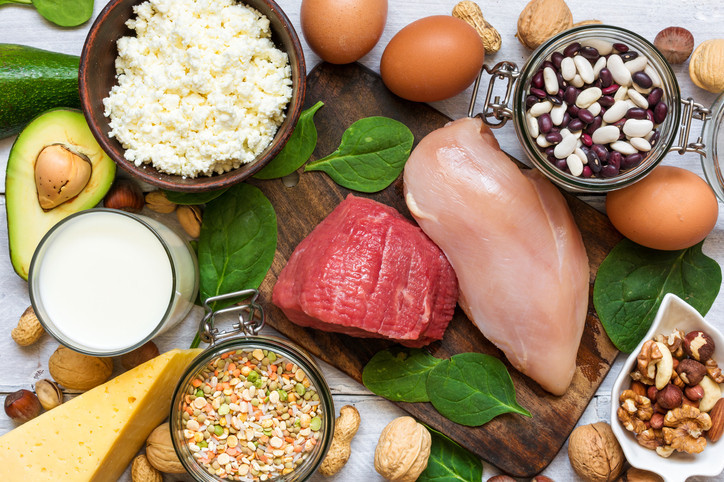
Too Much Protein: Understanding Daily Limits, Health Risks & Optimal Intake in 2025
High protein diets dominate nutrition trends in 2025 - from bodybuilders chugging protein shakes to keto enthusiasts loading up on meat and eggs. But when does healthy protein consumption cross the line into dangerous territory?
After analyzing medical research from Harvard Health, consulting with nutrition experts, and reviewing hundreds of studies on protein metabolism, we've compiled everything you need to know about protein intake limits, health risks of excessive consumption, and optimal daily amounts for different goals and lifestyles.
This comprehensive resource covers recommended protein intake, kidney damage concerns, protein risks for specific health conditions, and how to get enough protein without overdoing it - whether you're building muscle, losing weight, or simply trying to eat healthier.
Whether you're consuming 50 grams or 250 grams of protein daily, you'll discover exactly where you stand and whether your protein intake helps or hurts your health goals.
How Much Protein Do You Actually Need Each Day?
Standard Protein Recommendations for Adults
The Official Numbers:
Recommended Daily Allowance (RDA):
- Men: 56 grams per day
- Women: 46 grams per day
- Formula: 0.8 grams per kilogram of body weight
How to Calculate Your Personal Requirement:
- Convert weight to kilograms (divide pounds by 2.2)
- Multiply by 0.8
Example:
- 140-pound person = 64 kg
- 64 kg × 0.8 = 51 grams protein daily
What This Looks Like in Food:
✅ 1 serving low-fat Greek yogurt (20g)
✅ 4 oz lean chicken breast (26g)
✅ 1 bowl cereal with skim milk (5g)
Total: 51 grams
Protein Needs by Activity Level
Sedentary Adults (Little to No Exercise):
- Requirement: 0.8 g/kg body weight
- Example: 140 lbs = 51g daily
- Focus: Basic tissue repair and maintenance
Moderately Active Adults (Exercise 3-4x Weekly):
- Requirement: 1.0-1.2 g/kg body weight
- Example: 140 lbs = 64-77g daily
- Focus: Muscle recovery and general health
Highly Active Adults (Daily Exercise/Training):
- Requirement: 1.2-1.6 g/kg body weight
- Example: 140 lbs = 77-102g daily
- Focus: Performance and muscle maintenance
Athletes & Bodybuilders:
- Requirement: 1.6-2.2 g/kg body weight
- Example: 140 lbs = 102-140g daily
- Focus: Muscle building and repair
- Note: Higher end for mass-building phases
Older Adults (65+ Years):
- Requirement: 1.0-1.2 g/kg body weight
- Example: 140 lbs = 64-77g daily
- Reason: Prevent muscle loss (sarcopenia)
- Important: Higher than standard RDA for seniors
Different Expert Opinions on Protein Intake
The Controversy: Medical and nutrition experts disagree on optimal protein amounts.
Conservative Camp (RDA Supporters):
- Stick to 0.8 g/kg for most people
- Current intake already exceeds needs
- Focus on protein quality over quantity
- Concerns about long-term high intake
Higher Protein Advocates:
- Recommend 1.2-2.0 g/kg for adults
- Claim RDA is minimum, not optimal
- Benefits for muscle mass and metabolism
- Support weight loss and satiety
Plant-Based Protein Researchers:
- Focus on protein sources over amounts
- Plant proteins carry different health impacts
- Red meat concerns independent of total protein
- Recommend diverse protein sources
The Reality: No single number works for everyone. Optimal protein depends on age, activity level, health status, and individual goals.
When Protein Becomes Too Much: Understanding the Upper Limits
The Maximum Safe Protein Intake
Expert Consensus: 2 grams per kilogram of ideal body weight is the upper limit for most healthy adults.
What This Means:
- 140-pound person: Maximum 125 grams daily
- 180-pound person: Maximum 164 grams daily
- 200-pound person: Maximum 182 grams daily
Beyond This Level:
⚠️ Increased health risks
⚠️ Potential kidney stress
⚠️ Digestive issues
⚠️ Nutrient displacement
⚠️ No additional benefits
Important Qualifier: This limit applies to healthy individuals without kidney disease, liver problems, or other metabolic conditions. Those with health issues should consult doctors for personalized limits.
Why Too Much Protein Causes Problems
The Science Behind Protein Metabolism:
When you consume protein:
- Body breaks it down into amino acids
- Uses what it needs for tissue repair, hormones, enzymes
- Converts excess to energy or stores as fat
- Processes waste products through kidneys
The Problem with Excess:
- Kidney overwork: Filtering excess nitrogen byproducts
- Dehydration: Protein metabolism requires more water
- Nutrient imbalance: Displaces other essential nutrients
- Digestive stress: Breaking down large protein amounts
- Calcium loss: High protein may increase calcium excretion
It's Not Just About Total Amount: The type of protein matters significantly. 200g from salmon and beans affects your body differently than 200g from red meat and processed protein powders.
Health Risks of Excessive Protein Consumption
Kidney Damage and Kidney Stones:
The Risk:
✅ High protein diets significantly increase kidney stone risk
✅ Excess protein forces kidneys to work harder
✅ More nitrogen waste products to filter
✅ Increased calcium excretion in urine
✅ Creates conditions for stone formation
Who's Most at Risk:
- People with existing kidney disease (even mild)
- Family history of kidney problems
- Chronic dehydration
- High sodium intake
- Low water consumption
The Evidence: Studies show people consuming very high protein (2.5+ g/kg) have higher kidney stone rates compared to moderate protein consumers.
Heart Disease and Cardiovascular Problems:
The Connection: High protein diets rich in animal sources often contain:
- High saturated fat (red meat, full-fat dairy)
- Cholesterol (animal products)
- Low fiber (lacking plant foods)
- Few heart-protective nutrients
Increased Risks:
❤️ Higher LDL cholesterol
❤️ Elevated blood pressure
❤️ Arterial inflammation
❤️ Increased heart disease risk
❤️ Higher stroke risk
Important Distinction: Plant-based high protein diets (beans, lentils, nuts) don't carry the same cardiovascular risks as animal-heavy protein diets.
Colon Cancer and Digestive Issues:
Red Meat Connection: Research links high red meat consumption to:
- Increased colon cancer risk
- Digestive inflammation
- Altered gut bacteria balance
- Higher colorectal polyp formation
Processed Meat Concerns:
- WHO classifies processed meats as Group 1 carcinogen
- Includes bacon, sausage, deli meats
- Even small amounts increase cancer risk
Not All Protein Sources Equal: Fish, poultry, and plant proteins don't carry the same colon cancer risk as red and processed meats.
Bone Health and Calcium Loss:
The Debate: Some research suggests very high protein intake increases calcium excretion through urine, potentially weakening bones.
Current Understanding:
- Moderate protein (1.0-1.6 g/kg) supports bone health
- Very high protein (2.5+ g/kg) may increase calcium loss
- Adequate calcium intake offsets this risk
- Plant proteins less concerning than animal proteins
Other Health Concerns:
Liver Stress:
- Metabolizing excess protein strains liver
- Risk higher for those with liver disease
- Fatty liver concerns with certain protein sources
Weight Gain:
- Excess protein still provides calories
- Surplus calories = weight gain
- 1 gram protein = 4 calories
- 200g daily = 800 calories from protein alone
Nutrient Displacement:
- Filling up on protein crowds out other nutrients
- May lack fiber, vitamins, minerals
- Unbalanced diet despite adequate protein
Digestive Discomfort:
- Bloating and gas
- Constipation (if lacking fiber)
- Diarrhea (from excess protein)
- Stomach cramping
Protein Intake for Different Health Conditions
Too Much Protein with Kidney Disease
Critical Warning: If you have kidney disease (any stage), high protein diets are dangerous.
Why Kidneys and Protein Matter:
- Damaged kidneys struggle to filter protein waste
- Excess protein accelerates kidney function decline
- Can worsen kidney disease progression
- May cause dangerous waste buildup in blood
Recommended Limits with Kidney Disease:
Stage 1-2 Kidney Disease:
- Moderate protein: 0.8-1.0 g/kg
- Focus on high-quality protein sources
- Monitor with regular blood tests
Stage 3 Kidney Disease:
- Lower protein: 0.6-0.8 g/kg
- Work closely with renal dietitian
- Quality over quantity critical
Stage 4-5 Kidney Disease:
- Restricted protein: 0.6 g/kg or less
- Highly individualized needs
- Medical supervision essential
- May need specialized low-protein foods
Important: Never start a high protein diet without consulting your doctor if you have any kidney concerns.
Protein Considerations for Diabetes
Blood Sugar Impact:
- Protein doesn't spike blood sugar like carbs
- Can help stabilize glucose levels
- Supports weight management
Kidney Concerns:
- Many diabetics develop kidney damage over time
- High protein may accelerate diabetic kidney disease
- Balance protein benefits with kidney protection
Recommendations:
✅ Moderate protein intake (1.0-1.2 g/kg)
✅ Choose lean proteins (fish, poultry, plant proteins)
✅ Limit red meat and processed meats
✅ Regular kidney function monitoring
✅ Work with certified diabetes educator
Heart Disease and High Cholesterol
The Protein-Heart Connection:
Risky Protein Sources:
❌ Red meat (high saturated fat)
❌ Full-fat dairy
❌ Processed meats
❌ Fried proteins
Heart-Healthy Protein Sources:
✅ Fatty fish (salmon, mackerel, sardines)
✅ Skinless poultry
✅ Legumes (beans, lentils, chickpeas)
✅ Nuts and seeds
✅ Low-fat Greek yogurt
✅ Tofu and tempeh
Mediterranean Diet Approach:
- Moderate total protein
- Emphasis on fish and plant proteins
- Limited red meat (once weekly or less)
- Abundant vegetables, fruits, whole grains
- Proven heart health benefits
Recommended for Heart Health: Total protein: 15-20% of calories from heart-healthy sources, not total amount that matters most.
Liver Disease Considerations
Protein Paradox with Liver Disease:
- Liver needs protein for repair
- But damaged liver struggles to process excess protein
- Waste buildup (ammonia) can cause hepatic encephalopathy
Individualized Needs:
- Early liver disease: Normal to moderate protein
- Advanced cirrhosis: Carefully controlled protein
- Hepatic encephalopathy: Restricted protein with medical supervision
Always Consult Hepatologist: Protein needs with liver disease are complex and highly individual.
High Protein Diets: Benefits vs. Risks
Popular High Protein Diet Trends
Common High Protein Diets 2025:
Keto Diet:
- Protein: 20-30% of calories
- Focus: High fat, very low carb
- Typical intake: 100-150g protein daily
Paleo Diet:
- Protein: 25-35% of calories
- Focus: Whole foods, no grains/dairy
- Typical intake: 120-180g protein daily
Carnivore Diet:
- Protein: 30-50% of calories
- Focus: Only animal products
- Typical intake: 150-300g protein daily
- Warning: Extreme diet with significant risks
Bodybuilding Diets:
- Protein: 30-40% of calories
- Focus: Muscle building
- Typical intake: 150-250g protein daily
- Often includes protein supplements
Proven Benefits of Higher Protein Intake
When Moderate-High Protein Helps:
Weight Loss Support:
✅ Increased satiety (feel fuller longer)
✅ Higher thermic effect (burns more calories digesting)
✅ Preserves muscle mass during calorie deficit
✅ Reduces cravings and snacking
✅ Studies show 1.2-1.6 g/kg effective for weight loss
Muscle Building and Preservation:
✅ Essential for muscle protein synthesis
✅ Supports workout recovery
✅ Prevents muscle loss with aging
✅ 1.6-2.2 g/kg optimal for athletes
✅ Distributed throughout day most effective
Blood Sugar Control:
✅ Protein doesn't spike insulin like carbs
✅ Helps stabilize blood glucose
✅ Beneficial for diabetes management
✅ Reduces postprandial glucose spikes
Bone Health (Moderate Amounts):
✅ Provides building blocks for bone matrix
✅ Supports calcium absorption (with adequate calcium)
✅ Prevents age-related bone loss
✅ Optimal: 1.0-1.2 g/kg for seniors
Important Caveat: Benefits occur at moderate-high levels (1.2-2.0 g/kg), not extreme amounts (2.5+ g/kg).
When High Protein Backfires
The Diminishing Returns:
No Extra Muscle Beyond 2.0 g/kg:
- Studies show no additional muscle building above 2.0 g/kg
- Excess protein doesn't automatically become muscle
- Wasted money on unnecessary protein supplements
Digestive Problems:
- Constipation from low fiber intake
- Bad breath from ketone production
- Bloating and gas
- Uncomfortable digestive distress
Nutrient Deficiencies:
- Missing out on fruits and vegetables
- Low fiber intake
- Inadequate vitamin C, folate, potassium
- Missing protective plant compounds
Expense:
- Protein supplements cost $20-$60+ monthly
- High-quality protein foods expensive
- Unnecessary spending on excess protein
Social and Lifestyle Challenges:
- Difficult to maintain long-term
- Restrictive eating limits social situations
- May develop disordered eating patterns
- Hard to sustain beyond short-term
Getting Enough Protein Without Overdoing It
Best High-Quality Protein Sources
Animal-Based Proteins (Per 100g/3.5 oz):
Chicken Breast (Skinless):
- Protein: 31g
- Calories: 165
- Benefits: Lean, versatile, affordable
- Serving: 4 oz provides 35g protein
Wild-Caught Salmon:
- Protein: 25g
- Calories: 206
- Benefits: Omega-3 fatty acids, vitamin D
- Serving: 4 oz provides 28g protein
Greek Yogurt (Non-Fat):
- Protein: 10g per 100g
- Calories: 59
- Benefits: Probiotics, calcium, convenient
- Serving: 1 cup provides 20g protein
Eggs:
- Protein: 13g per 100g (2 large eggs)
- Calories: 143
- Benefits: Complete protein, vitamins
- Serving: 2 eggs provide 12g protein
Lean Beef (95% lean):
- Protein: 26g
- Calories: 137
- Benefits: Iron, B12, zinc
- Caution: Limit to 1-2 servings weekly
Plant-Based Proteins (Per 100g cooked):
Lentils:
- Protein: 9g
- Calories: 116
- Benefits: Fiber, folate, iron, budget-friendly
- Serving: 1 cup provides 18g protein
Chickpeas:
- Protein: 9g
- Calories: 164
- Benefits: Fiber, versatile, filling
- Serving: 1 cup provides 15g protein
Black Beans:
- Protein: 9g
- Calories: 132
- Benefits: Fiber, antioxidants
- Serving: 1 cup provides 15g protein
Quinoa:
- Protein: 4.4g
- Calories: 120
- Benefits: Complete protein, gluten-free
- Serving: 1 cup provides 8g protein
Tofu (Firm):
- Protein: 8g
- Calories: 70
- Benefits: Versatile, calcium, isoflavones
- Serving: 4 oz provides 9g protein
Nuts and Seeds:
Almonds:
- Protein: 21g per 100g
- Calories: 579
- Serving: 1 oz (23 almonds) = 6g protein
Pumpkin Seeds:
- Protein: 19g per 100g
- Calories: 446
- Serving: 1 oz = 5g protein
Peanut Butter:
- Protein: 25g per 100g
- Calories: 588
- Serving: 2 tbsp = 8g protein
Balanced Meal Examples with Optimal Protein
Breakfast Options (20-25g protein):
Option 1: Greek Yogurt Bowl
- 1 cup non-fat Greek yogurt (20g)
- 1/4 cup granola (3g)
- 1/2 cup berries
- 1 tbsp almond butter (2.5g)
- Total: 25.5g protein, 350 calories
Option 2: Veggie Omelet
- 3 egg whites + 1 whole egg (16g)
- 1/2 cup black beans (7g)
- Vegetables, salsa
- 1 slice whole grain toast (4g)
- Total: 27g protein, 380 calories
Lunch Options (30-35g protein):
Option 1: Salmon Salad
- 4 oz wild salmon (28g)
- Large mixed green salad
- 1/4 cup chickpeas (4g)
- Olive oil vinaigrette
- Total: 32g protein, 420 calories
Option 2: Chicken Buddha Bowl
- 4 oz grilled chicken (35g)
- 1/2 cup quinoa (4g)
- Roasted vegetables
- Tahini dressing
- Total: 39g protein, 480 calories
Dinner Options (30-40g protein):
Option 1: Mediterranean Style
- 5 oz white fish (30g)
- 1 cup lentils (18g)
- Roasted vegetables
- Small whole grain roll (4g)
- Total: 52g protein, 520 calories
Option 2: Plant-Based
- 6 oz firm tofu (14g)
- 1 cup edamame (17g)
- Brown rice (5g)
- Stir-fried vegetables
- Total: 36g protein, 480 calories
Snack Options (10-15g protein):
- 1 oz almonds (6g) + apple
- Protein smoothie: 1 scoop protein powder (20g) + berries + spinach
- 2 hard-boiled eggs (12g)
- 1/4 cup hummus (4g) + vegetables + whole grain crackers (3g)
Daily Protein Distribution Strategy
Why Timing Matters: Spreading protein throughout the day optimizes muscle protein synthesis better than one large protein meal.
Optimal Distribution (120g daily target):
Breakfast: 25-30g
- Kickstarts metabolism
- Provides satiety until lunch
- Supports morning muscle recovery
Lunch: 30-35g
- Maintains energy and focus
- Prevents afternoon energy crashes
- Supports midday recovery
Dinner: 30-40g
- Supports overnight muscle repair
- Provides satiety to prevent night snacking
- Aids recovery during sleep
Snacks: 15-20g total
- Pre/post-workout (if applicable)
- Between meals for sustained energy
- Prevents excessive hunger
The Science: Each meal containing 25-35g protein maximizes muscle protein synthesis. Consuming 80g in one meal provides no additional benefit over spreading it out.
Protein Supplements: When They Help and When They Harm
Types of Protein Supplements
Whey Protein:
- Source: Dairy (milk byproduct)
- Absorption: Fast (ideal post-workout)
- Protein content: 20-30g per scoop
- Cost: $15-$60 per container
- Best for: Muscle building, post-workout recovery
Casein Protein:
- Source: Dairy
- Absorption: Slow (6-8 hours)
- Protein content: 20-25g per scoop
- Best for: Before bed, sustained release
Plant-Based Protein Powders:
- Sources: Pea, hemp, brown rice, blend
- Absorption: Moderate
- Protein content: 15-25g per scoop
- Best for: Vegans, dairy intolerance, sustainability
Collagen Protein:
- Source: Animal connective tissue
- Protein content: 10-20g per scoop
- Benefits: Skin, joints, gut health
- Note: Not complete protein (missing tryptophan)
When Protein Supplements Make Sense
Good Reasons to Supplement:
✅ Convenience: Busy lifestyle, no time for meal prep
✅ Athletes: Meeting high protein needs (1.6-2.2 g/kg)
✅ Elderly: Poor appetite, maintaining muscle mass
✅ Vegetarians/Vegans: Supplementing plant-based diet
✅ Post-Workout: Quick protein delivery for recovery
✅ Medical Needs: Recovering from surgery, illness, injury
When Whole Foods Are Better:
🥗 You Can Get Enough from Food: Most people can
🥗 Better Nutrition: Whole foods provide fiber, vitamins, minerals
🥗 More Satisfying: Real food more filling than shakes
🥗 Cost-Effective: Beans, eggs, chicken often cheaper
🥗 No Additives: Avoid artificial sweeteners, fillers
🥗 Better Digestion: Whole foods easier on stomach for many
Protein Supplement Risks and Concerns
Potential Problems:
Contamination and Quality Issues:
- Supplements not FDA regulated like food
- Heavy metal contamination (lead, arsenic, mercury)
- Undisclosed ingredients
- Misleading protein content claims
Digestive Issues:
- Bloating and gas (especially whey)
- Diarrhea from excess protein
- Lactose intolerance symptoms (dairy-based)
- Constipation if lacking fiber
Expense:
- $40-$60/month for quality protein powder
- Often unnecessary if diet adequate
- Money better spent on whole foods
Over-Reliance:
- Using shakes instead of learning to cook
- Missing out on whole food nutrition
- Developing unhealthy relationship with food
Hidden Calories:
- Protein shakes with milk, fruits, nut butter = 400-600 calories
- Can sabotage weight loss despite "healthy" perception
Recommendations:
✅ Choose third-party tested brands (NSF, Informed Sport)
✅ Keep to 1 serving daily maximum
✅ Use as supplement, not meal replacement
✅ Prioritize whole food protein sources
✅ Read labels carefully for added sugars and fillers
Signs You're Eating Too Much Protein
Physical Symptoms of Protein Overload
Digestive Problems:
😣 Persistent constipation
😣 Bloating and gas
😣 Diarrhea
😣 Bad breath (ammonia smell)
😣 Stomach cramps
😣 Nausea
Kidney Warning Signs:
⚠️ Dark urine (concentrated)
⚠️ Decreased urination
⚠️ Foamy urine (excess protein in urine)
⚠️ Lower back pain
⚠️ Swelling in hands/feet
General Health Issues:
🚩 Persistent dehydration despite drinking water
🚩 Unexplained weight gain
🚩 Constant fatigue
🚩 Headaches
🚩 Mood changes or irritability
When to See a Doctor:
- Blood in urine
- Severe abdominal pain
- Rapid unexplained weight changes
- Swelling in extremities
- Persistent digestive issues
- Any kidney pain or urinary changes
Blood Test Indicators
Important Markers to Monitor:
BUN (Blood Urea Nitrogen):
- Normal: 7-20 mg/dL
- High BUN suggests excess protein or kidney issues
- Request test if consuming 2+ g/kg protein
Creatinine:
- Normal: 0.6-1.2 mg/dL
- High levels indicate kidney stress
- Key marker for kidney function
GFR (Glomerular Filtration Rate):
- Normal: 90+ mL/min
- Measures kidney filtering capacity
- Below 60 suggests kidney disease
Calcium Levels:
- High protein may increase calcium excretion
- Monitor if concerned about bone health
Recommendation: Anyone consuming high protein diets (2+ g/kg) should get annual kidney function tests.
Creating Your Personal Protein Plan
Calculate Your Ideal Protein Intake
Step 1: Determine Your Goal
Maintenance (No Specific Goal):
- Use: 0.8-1.0 g/kg body weight
- Example: 150 lbs (68 kg) = 54-68g daily
Weight Loss:
- Use: 1.2-1.6 g/kg body weight
- Example: 150 lbs (68 kg) = 82-109g daily
- Higher protein preserves muscle during deficit
Muscle Building:
- Use: 1.6-2.2 g/kg body weight
- Example: 150 lbs (68 kg) = 109-150g daily
- Upper end for active mass-building phases
Athletic Performance:
- Use: 1.4-2.0 g/kg body weight
- Example: 150 lbs (68 kg) = 95-136g daily
- Depends on sport and training intensity
Seniors (65+):
- Use: 1.0-1.2 g/kg body weight
- Example: 150 lbs (68 kg) = 68-82g daily
- Prevents muscle loss (sarcopenia)
Step 2: Consider Your Health Status
Adjust DOWN if you have:
- Kidney disease (consult doctor)
- Liver disease (medical supervision)
- Certain metabolic disorders
Adjust UP if you are:
- Very physically active
- Recovering from injury/surgery
- Elderly with low muscle mass
- Trying to lose weight while preserving muscle
Step 3: Choose Quality Protein Sources
Build around these categories:
- Lean proteins: Chicken, fish, turkey (40-50% of intake)
- Plant proteins: Beans, lentils, tofu (30-40% of intake)
- Dairy: Greek yogurt, cottage cheese (10-20% of intake)
- Eggs: Whole eggs and egg whites (occasional)
- Limited red meat: 1-2 servings weekly maximum
Sample Daily Protein Plans
120g Protein Daily Plan (150 lb active adult):
Breakfast (30g):
- 1 cup Greek yogurt (20g)
- 1/4 cup granola (3g)
- 2 tbsp almond butter (7g)
- Berries
Snack (10g):
- Small protein smoothie or handful almonds
Lunch (35g):
- 5 oz grilled chicken (40g)
- Large salad with vegetables
- Olive oil dressing
- Note: 40g provided, consume 5g less at another meal
Snack (10g):
- Hummus (4g) + whole grain crackers (3g) + vegetables (3g)
Dinner (35g):
- 4 oz salmon (28g)
- 1/2 cup quinoa (4g)
- Roasted vegetables
- Side salad
Total: 120g protein spread across day
80g Protein Daily Plan (140 lb moderate activity):
Breakfast (20g):
- 2 eggs (12g)
- 1 slice whole grain toast (4g)
- 1/2 avocado
- Vegetables
Lunch (25g):
- 1 cup lentil soup (12g)
- Side salad with chickpeas (8g)
- Whole grain roll (5g)
Dinner (30g):
- 4 oz white fish (26g)
- Brown rice (4g)
- Steamed vegetables
Snack (5g):
- Apple with 1 tbsp peanut butter (4g)
Total: 80g protein
Monitoring and Adjusting Your Intake
Track for 1-2 Weeks:
- Use food tracking app (MyFitnessPal, Cronometer)
- Log everything you eat
- Calculate actual protein intake
- Compare to target
Assess How You Feel:
✅ Energy levels stable?
✅ Satisfied between meals?
✅ Digestive system comfortable?
✅ Meeting fitness goals?
✅ Maintaining healthy weight?
Adjust Based on Results:
- Too little protein: Increased hunger, low energy, poor recovery
- Too much protein: Digestive issues, constipation, expense
- Just right: Satisfied, energized, progressing toward goals
Recheck Every 3-6 Months: Needs change with age, activity level, health status, and goals.
Frequently Asked Questions About Protein Intake
Q: Can too much protein damage your kidneys?
A: For healthy individuals, moderate-high protein (up to 2 g/kg body weight) doesn't damage kidneys. However, excessive protein does make kidneys work harder. The concern is real for people with existing kidney disease or dysfunction - high protein can accelerate kidney damage in those cases. If you have any kidney issues, diabetes, or high blood pressure, consult your doctor before increasing protein intake. Regular kidney function tests are smart for anyone consuming very high protein (2+ g/kg) long-term.
Q: How much protein is too much per day?
A: For healthy adults, more than 2 grams per kilogram of body weight (or about 125-200g for most people) is considered excessive. At this level, you see increased health risks without additional benefits. For a 150-pound person, that's over 136 grams daily. Most research shows diminishing returns above this level, with potential downsides including kidney stress, digestive issues, and nutrient displacement. The sweet spot for most active adults is 1.2-2.0 g/kg body weight.
Q: What happens if you eat 200 grams of protein a day?
A: Depends on your body weight and health status. For a 200-pound athlete (2.2 g/kg = 200g), this might be fine short-term for muscle building. For a 140-pound sedentary person (3.2 g/kg), 200g daily is excessive and may cause digestive problems, kidney stress, dehydration, constipation, and waste money on unnecessary protein. Most people see no additional muscle-building benefits above 2.0 g/kg, so anything beyond that is simply taxing your body without benefit.
Q: Is 100 grams of protein a day too much?
A: No, 100g protein daily is appropriate for most active adults. For someone weighing 120-180 pounds, this represents 1.2-1.8 g/kg - well within healthy ranges for weight loss, muscle building, or athletic performance. This amount is considered moderate-high protein, not excessive. You'd typically get 100g from balanced meals like Greek yogurt breakfast, chicken salad lunch, and salmon dinner. This level supports fitness goals without concerning health risks.
Q: Can too much protein cause weight gain?
A: Yes, if total calories exceed your needs. Protein contains 4 calories per gram, so 150g protein = 600 calories. While protein has a higher thermic effect (burns more calories during digestion) and increases satiety, excessive protein intake still adds calories. If you consume 2,500 calories daily but only need 2,000, you'll gain weight regardless of whether those extra calories come from protein, carbs, or fat. Weight gain/loss ultimately comes down to total calorie balance.
Q: Does protein make you poop more?
A: High protein intake can actually cause constipation, not more frequent bowel movements. When you increase protein while decreasing fiber-rich carbohydrates (common in high-protein diets), digestive transit slows. Many people on very high protein diets experience constipation, bloating, and harder stools. Solution: Ensure adequate fiber intake (25-35g daily) from vegetables, fruits, beans, and whole grains, plus drink plenty of water (8-10 glasses daily). Balanced protein intake with sufficient fiber keeps digestion regular.
Q: Is it better to get protein from food or supplements?
A: Whole food protein is superior for most people. Real foods provide protein plus fiber, vitamins, minerals, antioxidants, and other beneficial compounds. A chicken breast gives you protein, B vitamins, selenium, and satisfaction. A protein shake gives you... protein. Supplements make sense for: athletes with very high needs (150g+), convenience when traveling, post-workout quick absorption, elderly with poor appetite, or vegans struggling to meet needs. But for 90% of people, whole food protein is better, more satisfying, and more nutritious.
Q: Can high protein diets cause bad breath?
A: Yes, very high protein diets - especially low-carb versions - often cause bad breath. When carb intake is very low, your body produces ketones for energy, which have a distinct acetone smell (fruity/metallic). Additionally, high protein increases nitrogen waste products, which can create ammonia-like breath. Solutions: drink more water, maintain moderate carb intake (don't go ultra-low), chew sugar-free gum, brush teeth more frequently, and consider if extreme protein restriction is necessary for your goals.
Q: How do I know if I'm eating too much protein?
A: Warning signs include: persistent digestive issues (constipation, bloating, gas), dehydration despite drinking water, bad breath, dark or foamy urine, fatigue, mood changes, or kidney area discomfort. Track your intake for a week - if you're consistently above 2 g/kg body weight without being an elite athlete, you're likely overdoing it. Simple fix: reduce protein serving sizes slightly, add more vegetables and whole grains, and see if symptoms improve. If kidney or urinary symptoms persist, see your doctor for kidney function tests.
Q: Is 150 grams of protein too much for a woman?
A: Depends on body weight and activity level. For a 150-pound athletic woman (1.6-2.2 g/kg = 109-150g), 150g is the upper end but acceptable for muscle building. For a 120-pound sedentary woman (2.8 g/kg), 150g is excessive. The key is grams per kilogram of body weight, not absolute numbers. Most women do well on 80-120g daily depending on activity. Calculate your needs based on: weight (kg) × activity factor (0.8-2.2), not arbitrary gram targets.
Q: Does eating protein at night make you fat?
A: No, meal timing doesn't cause fat gain - total daily calories do. Whether you eat 30g protein at 6 PM or 10 PM doesn't matter for weight management. Total calories in vs calories out determines weight change. That said, protein before bed can support overnight muscle recovery and may improve sleep quality for some people. Don't fear evening protein - focus on total daily intake and overall calorie balance instead of timing.
Q: What's the best protein for weight loss?
A: Lean proteins that provide high satiety with fewer calories. Best choices: skinless chicken breast (165 cal, 31g protein per 100g), white fish (90-120 cal, 20-26g per 100g), non-fat Greek yogurt (59 cal, 10g per 100g), egg whites (52 cal, 11g per 100g), and legumes (116-164 cal, 8-9g per 100g). These maximize protein while controlling calories. Avoid: fatty meats, fried proteins, protein bars loaded with sugar, and excessive protein shakes (which can add 300-500 calories if made with milk, fruit, and nut butter).
Q: Should I eat more protein if I work out?
A: Yes, active individuals need more protein than sedentary people. Recommendations: light exercise (1.0-1.2 g/kg), regular training (1.2-1.6 g/kg), serious athletes (1.6-2.0 g/kg), bodybuilders during mass phase (2.0-2.2 g/kg). Protein supports muscle recovery, repair, and growth after workouts. Distribute protein throughout the day, with 20-30g within 2 hours post-workout optimal for recovery. Don't go overboard - more than 2.2 g/kg provides no additional muscle-building benefits even for elite athletes.
Q: Can you eat unlimited protein on keto?
A: No, keto is moderate protein, not high protein. Many people mistakenly think keto means unlimited meat and protein. Actual keto macros: 70-75% fat, 20-25% protein, 5-10% carbs. Too much protein can actually interfere with ketosis through gluconeogenesis (converting protein to glucose). Keto typically provides 1.2-1.6 g/kg protein - moderate, not excessive. Unlimited protein would be too many calories and potentially kick you out of ketosis. Focus on fat as primary calorie source in true keto diet.
Q: Is plant protein as good as animal protein?
A: Plant proteins are excellent when consumed in variety. Animal proteins are "complete" (contain all essential amino acids in optimal ratios), while most plant proteins lack one or more amino acids. However, combining different plant proteins throughout the day provides all essential amino acids. Benefits of plant proteins: fiber, antioxidants, lower environmental impact, heart-healthy fats, lower saturated fat. Animal proteins provide: higher protein density, vitamin B12, iron (heme), complete amino acids per serving. Best approach: include both, or if vegetarian/vegan, eat diverse plant proteins (beans, lentils, quinoa, tofu, nuts, seeds).
Making Protein Work for Your Health Goals
The Bottom Line on Protein Intake:
Too much protein is real, but most people don't reach truly dangerous levels. The sweet spot for most adults is 1.2-2.0 grams per kilogram of body weight - enough to support health, fitness, and body composition goals without unnecessary risks.
Key Takeaways:
✅ Calculate your needs based on body weight and activity level
✅ Prioritize high-quality, diverse protein sources
✅ Include both animal and plant proteins for optimal nutrition
✅ Spread protein throughout the day (4-6 meals/snacks)
✅ Stay within 2 g/kg maximum for healthy adults
✅ Monitor kidney function if consuming high protein long-term
✅ Focus on whole foods over supplements when possible
✅ Adjust intake based on how you feel and your results
When to Consult a Professional:
See a doctor or registered dietitian if you have:
- Kidney disease or family history of kidney problems
- Diabetes or pre-diabetes
- Liver disease
- Heart disease or high cholesterol
- Digestive disorders
- Concerns about current protein intake
- Goals requiring personalized nutrition planning
Remember: Protein is essential for health, but more isn't always better. Find your optimal amount based on your individual needs, goals, and health status. Balance protein with plenty of vegetables, fruits, whole grains, and healthy fats for complete nutrition.
Your body will tell you what works - listen to the signals and adjust accordingly. 🥗💪
Last Updated: November 29, 2025. Information based on current nutrition research, Harvard Health Publishing, and registered dietitian recommendations.