Tatiana Schlossberg Kennedy Reveals Terminal Cancer Diagnosis: A Daughter of Caroline Kennedy Fights Acute Myeloid Leukemia
Tatiana Schlossberg, granddaughter of JFK and daughter of Caroline Kennedy, reveals her battle with acute myeloid leukemia in an emotional New Yorker essay. Get the latest updates on her diagnosis, treatment, and the Kennedy family's response.
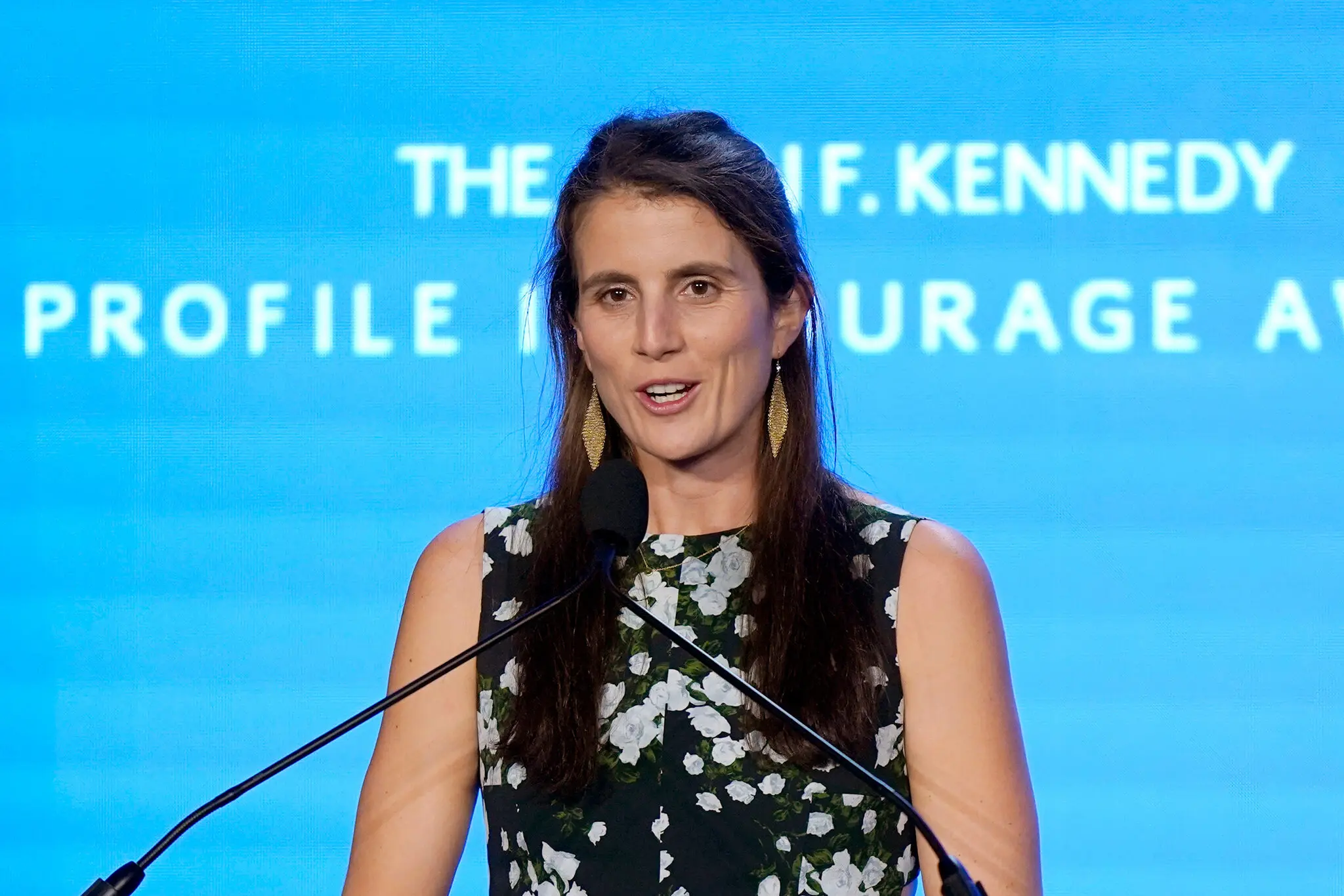
Tatiana Schlossberg, the 35-year-old daughter of Caroline Kennedy and granddaughter of President John F. Kennedy, has revealed a heartbreaking battle with a rare and aggressive blood cancer. In a powerful essay published in The New Yorker on November 22, 2025—the 62nd anniversary of her grandfather's assassination—Schlossberg shared her diagnosis of acute myeloid leukemia (AML) and her 18-month fight for survival.
The environmental journalist and mother of two disclosed that her cancer was discovered in May 2024, during what should have been one of the happiest moments of her life: the birth of her second child.
The Shocking Diagnosis: From Childbirth to Cancer Ward
In her deeply personal essay titled "A Battle with My Blood," Schlossberg described the surreal moment when doctors delivered the devastating news.
"I did not — could not — believe that they were talking about me," she wrote. "I had swum a mile in the pool the day before, nine months pregnant. I wasn't sick. I didn't feel sick. I was actually one of the healthiest people I know."
The diagnosis came as a complete shock to Schlossberg, who had just given birth and was looking forward to caring for her newborn and her older son. "I had a son whom I loved more than anything and a newborn I needed to take care of," she continued. "This could not possibly be my life."
What is Acute Myeloid Leukemia (AML)?
Acute myeloid leukemia is a rare and aggressive cancer of the blood and bone marrow. AML affects the myeloid cells, which normally develop into various types of mature blood cells, including red blood cells, white blood cells, and platelets.
Key Facts About AML:
- Rapid progression: AML develops quickly and requires immediate treatment
- Symptoms: Fatigue, frequent infections, easy bruising, bleeding, fever, and bone pain
- Incidence: Affects approximately 20,000 people in the United States each year
- Age factor: While AML can occur at any age, it's more common in adults over 65
- Treatment: Typically involves chemotherapy, targeted therapy, and potentially stem cell transplantation
- Survival rates: Five-year survival rates vary widely based on age, overall health, and specific cancer characteristics
Schlossberg's case is particularly unusual given her young age and previously excellent health, highlighting how AML can strike unexpectedly.
The Kennedy Family's Unwavering Support
Throughout her harrowing medical journey, Schlossberg has relied heavily on the support of her family, particularly her mother Caroline Kennedy (former U.S. Ambassador to Australia and Japan), her siblings, and her parents.
"They have been raising my children and sitting in my various hospital rooms almost every day," Schlossberg wrote, expressing profound gratitude for their presence during the most challenging period of her life.
The Kennedy family has long been marked by both triumph and tragedy, from President John F. Kennedy's assassination in 1963 to numerous other losses over the decades. This latest health crisis adds another chapter to the family's story of resilience in the face of adversity.
A Medical Team Fighting for Her Life
Schlossberg spoke movingly about her oncologist's tireless efforts to find effective treatments. "He has scoured every inch of the earth for more treatments for me," she wrote. "He knows I don't want to die and he is trying to stop it."
The search for treatment options in AML cases often involves:
- Intensive chemotherapy regimens
- Clinical trials of experimental drugs
- Targeted therapies based on specific genetic mutations
- Stem cell or bone marrow transplantation
- Supportive care to manage symptoms and side effects
The fact that her medical team continues to explore new treatment avenues demonstrates both the complexity of her case and the determination to save her life.
Tatiana Schlossberg: Environmental Journalist and Kennedy Legacy
Before her diagnosis, Tatiana Schlossberg had established herself as an accomplished environmental journalist and author. She graduated from Yale University and worked as a science reporter for The New York Times, covering climate change and environmental issues.
Career Highlights:
- Author: Wrote "Inconspicuous Consumption: The Environmental Impact You Don't Know You Have" (2019)
- Journalist: Former science and climate reporter for The New York Times
- Advocate: Passionate about environmental conservation and climate action
- Speaker: Regular speaker at environmental and Kennedy family events
As the daughter of Caroline Kennedy and Edwin Schlossberg, and granddaughter of President John F. Kennedy and Jacqueline Kennedy Onassis, Tatiana carries on the Kennedy family's tradition of public service and advocacy.
The Timing: Published on JFK Assassination Anniversary
The publication of Schlossberg's essay on November 22, 2025, carries profound significance. This date marks 62 years since President John F. Kennedy was assassinated in Dallas, Texas, in 1963. The choice to share her story on this anniversary connects her personal struggle to the broader Kennedy family narrative of facing tragedy with courage and grace.
Public Reaction and Support
News of Schlossberg's diagnosis has prompted an outpouring of support from across the political spectrum, environmental advocacy communities, and the public. Many have praised her courage in sharing such a deeply personal story and her continued fight against this aggressive disease.
Understanding AML Treatment and Prognosis
While Schlossberg's essay reveals the terminal nature of her diagnosis, advances in AML treatment continue to offer hope. Modern treatments include:
Standard Treatments:
- Induction chemotherapy to achieve remission
- Consolidation therapy to prevent relapse
- Maintenance therapy in some cases
Advanced Options:
- CAR T-cell therapy (experimental for AML)
- Targeted drugs like FLT3 inhibitors or IDH inhibitors
- Immunotherapy approaches
- Allogeneic stem cell transplantation
The specific treatment path depends on factors including the patient's age, overall health, genetic mutations in the cancer cells, and how the disease responds to initial treatment.
Hope Amid Heartbreak
Despite the gravity of her diagnosis, Schlossberg's essay reflects both the pain of her situation and her determination to keep fighting. Her openness about her journey has brought attention to AML and the importance of medical research, early detection, and comprehensive cancer care.
Her story also highlights the critical need for:
- Increased funding for rare cancer research
- Better understanding of why young, healthy individuals can develop aggressive cancers
- Support systems for cancer patients and their families
- Access to cutting-edge treatments and clinical trials
Sources:
- The New Yorker: A Battle with My Blood
- The New York Times: Tatiana Schlossberg Kennedy Cancer
- American Cancer Society: Acute Myeloid Leukemia
- National Cancer Institute: AML Treatment
For more breaking news, health updates, and inspiring stories of courage, follow Mindspilll.