Shark Attack in Australia: Woman Killed, Man Seriously Injured by Bull Shark in New South Wales
A woman has been killed and a man critically injured in a rare shark attack at a remote beach in New South Wales, Australia. The shark is believed to be a large bull shark. Complete details on the incident, response, and shark safety.
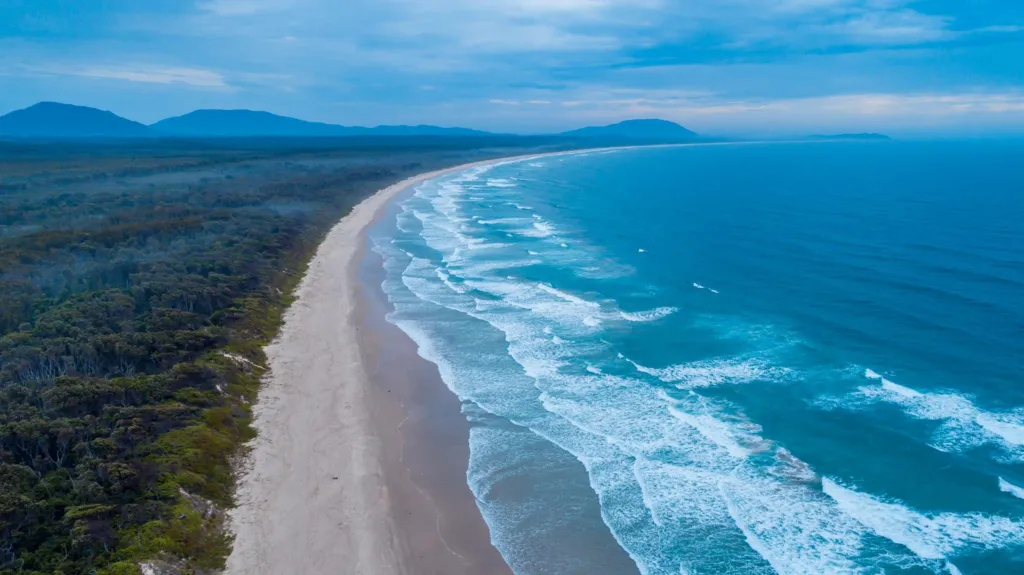
Woman Killed in Fatal Shark Attack at Remote Australian Beach, Man Critically Injured
A woman in her 20s has died and a man, also in his 20s, has been left with life-threatening injuries following a shark attack at a remote beach in New South Wales, Australia, on Thursday, November 27, 2025. The incident, believed to have involved a large bull shark, is the fifth fatal shark attack in Australia this year.
The attack occurred at Kylies Beach in Crowdy Bay National Park, a scenic but isolated area approximately 300km (186 miles) north of Sydney. Emergency services were called to the scene early on Thursday morning, but the woman was pronounced dead upon their arrival.
This comprehensive report provides all the known details about the tragic shark attack, the heroic actions of a bystander, information about the shark species involved, and the current state of shark attacks in Australia.
The Shark Attack at Kylies Beach: What Happened?
Incident Details:
- Victims: A woman and a man, both believed to be in their 20s.
- Location: Kylies Beach, Crowdy Bay National Park, New South Wales, Australia.
- Date: Thursday, November 27, 2025 (local time).
- Outcome: The woman was fatally injured and died at the scene. The man sustained critical injuries and was airlifted to a hospital.
Paramedics arrived to find a horrific scene. Despite their efforts, the woman's injuries were too severe. The man was treated at the beach before being airlifted by a Westpac Rescue Helicopter to John Hunter Hospital in Newcastle in critical condition.
Heroic Bystander "Potentially Saved His Life"
Authorities have praised the quick thinking and bravery of a bystander who was on the beach when the attack occurred. Before paramedics arrived, the individual used a makeshift tourniquet on the man's severely injured leg.
NSW Ambulance Superintendent Josh Smyth told reporters that this action was crucial in preventing further blood loss.
"The courage from some bystanders is amazing in this situation," Smyth said. "To put yourself out there is heroic and obviously it did give us time to get to that male patient... [it] potentially saved his life."
A tourniquet is a device used to apply pressure to a limb to stop the flow of blood. In a situation involving severe arterial bleeding from a shark bite, it can be the difference between life and death.
The Shark: A "Large Bull Shark" Believed to be Responsible
The New South Wales Department of Primary Industries (DPI) has stated that the shark involved was likely a "large bull shark."
What is a Bull Shark?
Bull sharks (Carcharhinus leucas) are one of the most well-known and formidable shark species. They are unique for their ability to tolerate and travel into freshwater environments, such as rivers and estuaries.
Key Facts about Bull Sharks:
- Size: They can grow up to 11 feet (3.4 meters) in length and weigh over 500 pounds (230 kg).
- Habitat: Found in warm, shallow coastal waters worldwide. They are also common in freshwater rivers and lakes far from the sea.
- Diet: Their diet is broad and includes fish, other sharks, dolphins, and turtles.
- Aggression: Bull sharks are known for their aggressive and unpredictable nature. Along with great white sharks and tiger sharks, they are one of the "Big Three" species most frequently implicated in attacks on humans.
According to the International Shark Attack File, bull sharks are responsible for the third-highest number of unprovoked attacks on humans, behind only great whites and tiger sharks. Their preference for shallow, murky waters often brings them into close contact with people.
Response and Beach Closures
In the wake of the attack, authorities have taken immediate action to ensure public safety.
- Beach Closures: Kylies Beach and surrounding beaches in the Crowdy Bay National Park area have been closed for at least 24 hours.
- Shark Monitoring: The DPI is deploying "SMART" drumlines in the area. These are baited hooks designed to catch sharks so they can be tagged with tracking devices and released further offshore.
- Drone Surveillance: Surf Life Saving NSW is using drones to patrol the coastline and monitor for shark activity.
Steve Pearce, CEO of Surf Life Saving NSW, expressed his condolences and urged the public to stay out of the water.
"This is a terrible tragedy and our deepest condolences go to the families of the woman and man involved," he said. "For now, please remain clear of the water at beaches in the vicinity and follow the direction of lifeguards."
Shark Attacks in Australia: A Statistical Overview
While shark attacks remain rare, Australia has one of the highest incidences of shark encounters in the world.
- 2025 Fatal Attacks: This incident marks the fifth fatal shark attack in Australia this year.
- Recent Fatality: The last fatal attack occurred less than three months ago in Sydney's northern beaches.
- Global Ranking: Australia typically ranks second only to the United States (specifically Florida) in the number of unprovoked shark bites each year.
However, it is important to put these numbers in perspective. Millions of people use Australian beaches every year, and the vast majority never encounter a shark. The Australian Shark Attack File notes that the risk of a fatal shark attack is extremely low, estimated at around 0.9 fatalities per year on average over the long term.
Why Do Shark Attacks Happen?
Shark attacks are almost always a case of mistaken identity. Sharks do not typically hunt humans. Most bites occur when a shark mistakes a person for its usual prey, such as a seal.
Factors that can increase the risk of a shark encounter include:
- Swimming at dawn or dusk, when sharks are most active.
- Swimming in murky water or near river mouths.
- Swimming alone or far from shore.
- Swimming near large schools of fish or seals.
How to Stay Safe from Sharks: Safety Tips
While the risk is low, there are several precautions you can take to minimize the chance of a negative shark encounter.
- Swim at Patrolled Beaches: Always swim at beaches monitored by lifeguards and between the red and yellow flags.
- Avoid Swimming at Dawn or Dusk: These are peak feeding times for many shark species.
- Don't Swim Alone: Swim in groups. Sharks are more likely to approach a solitary individual.
- Avoid Murky Water: Stay out of murky water, harbor entrances, and areas near river mouths or estuaries.
- Remove Shiny Jewelry: The reflection from jewelry can resemble the flash of fish scales, attracting sharks.
- Heed Warnings: Pay attention to all beach signage and lifeguard warnings. If a beach is closed, do not enter the water.
- Use Shark Apps: Several apps, such as the Dorsal Shark Reports app, provide real-time alerts on shark sightings.
Frequently Asked Questions (FAQ) about the Shark Attack
Q: Where did the fatal shark attack in Australia happen?
A: The attack occurred at Kylies Beach in Crowdy Bay National Park, located in New South Wales, about 300km (186 miles) north of Sydney.
Q: What kind of shark was involved in the attack?
A: Authorities believe it was a large bull shark. Bull sharks are known for their aggressive nature and are one of the three species most commonly involved in attacks on humans.
Q: How many people were attacked by the shark?
A: Two people were attacked: a woman in her 20s, who died from her injuries, and a man in his 20s, who was critically injured but survived thanks to the quick actions of a bystander.
Q: How many fatal shark attacks have there been in Australia this year?
A: This is the fifth fatal shark attack in Australia in 2025.
Q: Are the beaches in the area still open?
A: No. Kylies Beach and surrounding beaches have been closed for at least 24 hours while authorities conduct surveillance with drones and deploy drumlines to monitor for shark activity.
Q: What is a bull shark?
A: A bull shark is a large, aggressive species of shark found in warm, shallow waters worldwide. They are unique in their ability to tolerate freshwater and are often found in rivers and estuaries, which can bring them into close contact with humans.
Q: How did a bystander help save the man's life?
A: A bystander applied a makeshift tourniquet to the man's severely bitten leg before paramedics arrived. This action controlled the bleeding and was credited by authorities as "potentially saving his life."
Q: Are shark attacks common in Australia?
A: While Australia has one of the highest rates of shark encounters globally, fatal attacks are still very rare. The risk of being fatally attacked by a shark in Australia is extremely low when considering the millions of people who use the ocean each year.
Sources:
- BBC News: Woman killed in shark attack in Australia
- International Shark Attack File
- NSW Department of Primary Industries
For the latest news on this story and other global events, follow Mindspilll.