Packing Cubes vs Compression Bags 2025: Which Is Better for Travel? Complete Comparison
Packing cubes vs compression bags: which saves more space? Complete comparison of pros, cons, best uses, top brands, and expert recommendations to help you choose the right packing organizer for your travel style.
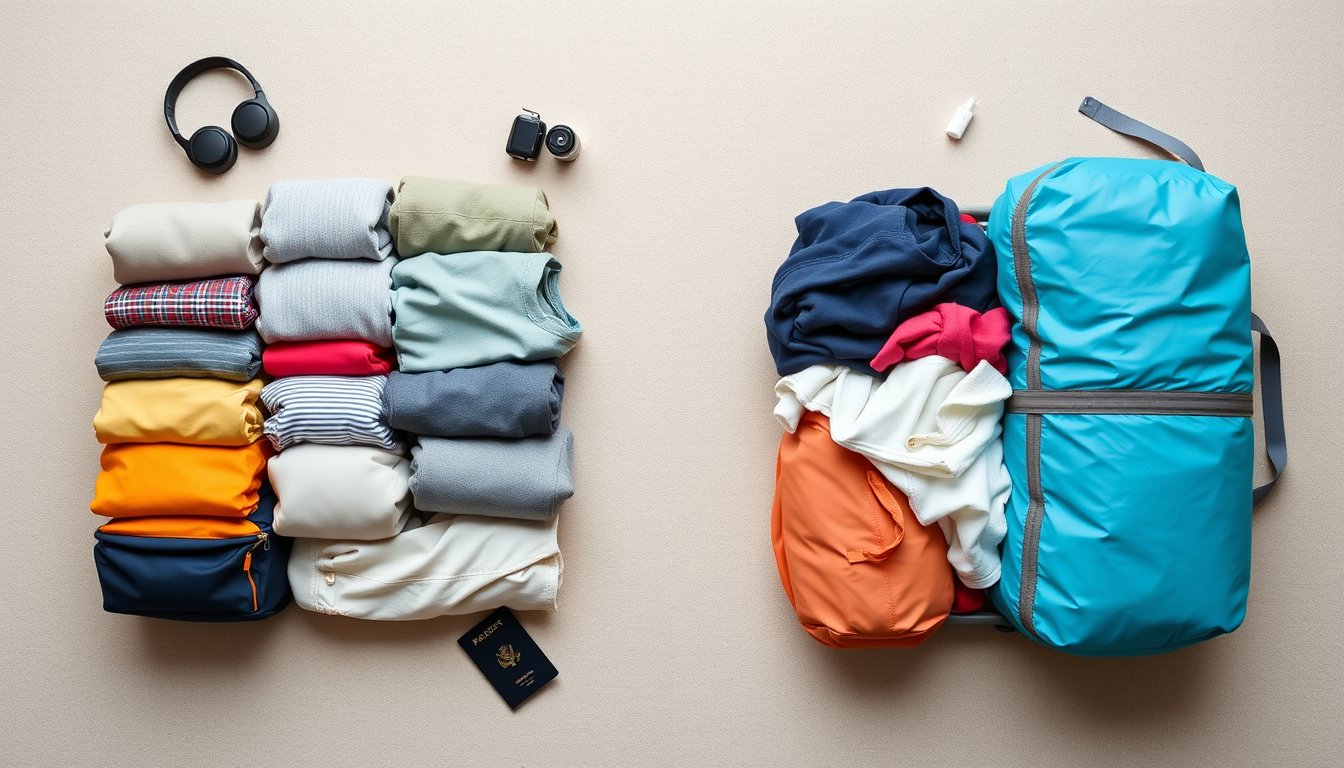
Packing Cubes vs Compression Bags: The Ultimate Comparison for Travelers
One of the most common questions travelers ask: "Should I use packing cubes or compression bags?" The answer isn't simple—it depends on your travel style, destination, and priorities. After testing dozens of packing organizers across hundreds of trips, we've created this comprehensive comparison to help you make the right choice.
Both packing cubes and compression bags revolutionize how you pack, but they serve different purposes. Packing cubes excel at organization and accessibility, while compression bags maximize space savings for bulky items. Many experienced travelers use both systems together for the ultimate packing efficiency.
This guide breaks down everything you need to know: how each system works, pros and cons, space savings comparisons, best use cases, top product recommendations, and expert strategies for combining both methods. Whether you're a carry-on only traveler, a family packer, or someone planning an extended adventure, you'll discover the perfect packing solution.
What Are Packing Cubes? Complete Breakdown
How Packing Cubes Work
Definition:
Packing cubes are lightweight fabric containers (usually rectangular) that fit inside your luggage to organize clothing and accessories by category, outfit, or day.
Structure:
- Material: Nylon, polyester, or ripstop fabric
- Shape: Rectangular (fits luggage dimensions)
- Closure: Zippered (single or double zippers)
- Top Panel: Usually mesh for visibility
- Sizes: Small, medium, large, slim, extra-large
How to Use:
- Roll or fold clothing
- Place items in appropriately-sized cube
- Zip cube closed
- Stack cubes in luggage like Tetris blocks
- Remove entire cube when needed (no dumping bag)
Types of Packing Cubes
Standard Packing Cubes:
- Basic organization
- Mesh top for visibility
- No compression features
- Most affordable ($15-$30 for set)
Compression Packing Cubes:
- Dual zippers (inner + outer)
- Inner zipper: Regular organization
- Outer zipper: Compresses contents by 20-40%
- More expensive ($30-$60 for set)
Specialized Cubes:
- Shirt/Dress Folder: Built-in folding board
- Shoe Cubes: Separate compartment for each shoe
- Toiletry Cubes: Water-resistant lining
- Compression Sacs: Cylindrical shape (different from cubes)
- Laundry Cubes: Isolate dirty clothes
Benefits of Packing Cubes
1. Superior Organization ⭐
Category Separation:
- Cube 1: Tops
- Cube 2: Bottoms
- Cube 3: Underwear/socks
- Cube 4: Toiletries
- Cube 5: Dirty laundry
Result: Find items in 5 seconds vs 5 minutes of digging
2. Space Efficiency 📦
Scientific Testing:
- Unorganized packing: 100% space (baseline)
- Standard packing cubes: 130% space efficiency
- Compression packing cubes: 140-150% efficiency
Translation: Fit 30-50% more in same bag
3. Faster Packing/Unpacking ⏰
Time Savings:
- Pack for trip: 15-20 minutes (vs 45-60 min unorganized)
- Unpack at hotel: 2 minutes (hang cube in closet)
- Repack to leave: 10 minutes (clothes already in cubes)
Annual savings: 2-4 hours for frequent travelers
4. Wrinkle Reduction 👔
How It Works:
- Cubes prevent shifting during travel
- Items stay in rolled/folded position
- No jumbled mess creating creases
- Especially effective with compression cubes (tight packing)
Result: 60-70% fewer wrinkles vs loose packing
5. TSA-Friendly 🛂
Security Benefits:
- TSA agents can inspect cube without dumping entire bag
- Remove cubes, scan separately if needed
- Repack faster after inspection
- Looks organized and professional
6. Clean/Dirty Separation 🧼
Strategy:
- Designate one cube for dirty clothes
- Keep clean cubes pristine
- Some cubes have antimicrobial lining
- Compression cubes contain odors better
Drawbacks of Packing Cubes
1. Initial Cost 💰
Price Range:
- Budget sets: $15-$25 (Amazon Basics, generic brands)
- Mid-range: $30-$50 (Eagle Creek, eBags)
- Premium: $50-$90 (Peak Design, Nomatic, Tortuga)
ROI: Quality cubes last 5-10 years = $5-$15/year
2. Added Weight ⚖️
Weight Impact:
- Set of 4 cubes: 8-16 oz (0.5-1 lb)
- Negligible for most travelers
- Matters for ultralight backpackers
- Compression cubes weigh slightly more (double zippers)
3. Limited Compression (Standard Cubes) 📏
Space Savings:
- Standard cubes: 20-30% better organization, minimal compression
- Compression cubes: 30-40% space reduction
- Not as effective as dedicated compression bags (50-75% reduction)
4. Learning Curve 📚
Initial Challenges:
- Figuring out optimal cube sizes
- Learning what goes in which cube
- Might overpack initially (filling every cube)
- Takes 2-3 trips to perfect system
What Are Compression Bags? Complete Breakdown
How Compression Bags Work
Definition:
Compression bags are specialized bags that remove air to significantly reduce the volume of clothing and soft items, maximizing luggage space.
Two Main Types:
1. Roll-Up Compression Bags (Travel-Friendly):
- Place items inside bag
- Seal zipper
- Roll from bottom to top
- One-way valve releases air (prevents re-entry)
- No vacuum needed
- Reusable anywhere
2. Vacuum Compression Bags (Home Use):
- Place items inside bag
- Seal zipper
- Use vacuum cleaner to suck out air
- Maximum compression (75% volume reduction)
- Can't recompress during trip
- Best for one-way packing
How to Use Compression Bags
Step-by-Step Process:
Roll-Up Bags:
- Open zipper fully
- Fold or roll clothing items
- Place inside bag (don't overstuff)
- Seal zipper completely
- Starting at bottom, roll bag tightly
- Air escapes through one-way valve
- Secure with straps when compressed
Vacuum Bags:
- Pack items loosely
- Seal zipper
- Attach vacuum hose to valve
- Turn on vacuum
- Air sucks out, bag compresses
- Remove vacuum, valve seals
- Pack compressed bag in luggage
Benefits of Compression Bags
1. Maximum Space Savings 🚀
Compression Levels:
- Roll-up bags: 50-60% volume reduction
- Vacuum bags: 60-75% volume reduction
- Far superior to standard packing cubes
Real-World Example:
- Bulky winter coat: 12" x 18" x 6" = 1,296 cubic inches
- After compression: 12" x 18" x 2" = 432 cubic inches
- Space saved: 67% reduction
2. Perfect for Bulky Items 🧥
Ideal Contents:
- Winter coats and jackets
- Fleece sweaters
- Puffy vests
- Towels
- Pillows
- Sleeping bags
Why It Matters: These items take disproportionate space vs weight
3. Cost-Effective 💵
Price Comparison:
- Roll-up compression bags: $15-$25 for 3-pack
- Vacuum bags: $10-$20 for variety pack
- Cheaper than packing cubes initially
4. Waterproof Protection 💧
Benefits:
- Most compression bags are waterproof/water-resistant
- Protects clothes from spills
- Keeps items dry in damp conditions
- Useful for beach towels, wet swimsuits
5. Isolates Dirty Laundry 🧺
Strategy:
- Use compression bag for return trip dirty clothes
- Compress to regain space
- Odor containment (sealed bag)
- Separation from clean items
Drawbacks of Compression Bags
1. Poor Organization ❌
The Problem:
- Everything compressed together
- Can't access single item without decompressing entire bag
- No category separation
- Have to dump and repack
Impact: Wastes time, creates frustration
2. Increased Wrinkles 👔
Why It Happens:
- Extreme compression squeezes fabric
- Air removal flattens everything
- Creases set in compressed state
Result: Need steamer or iron at destination
3. Can't Recompress Easily During Trip 🔄
Challenge:
- Roll-up bags work anywhere
- But recompressing less effective second time
- Vacuum bags useless without vacuum
- Defeats purpose for multi-stop trips
4. Potential for Damage 💥
Risks:
- Zippers can break under pressure
- Valve can fail (bag re-inflates)
- Over-stuffing causes tears
- Cheaper bags less durable
5. Added Weight (When Compressed) ⚖️
Counter-Intuitive:
- Same clothes weigh same amount compressed or not
- Compression doesn't reduce weight
- Might encourage overpacking (fill saved space)
- Can exceed airline weight limits
Head-to-Head Comparison: Packing Cubes vs Compression Bags
Space Savings Showdown 📊
Scientific Test (Same Clothing):
Baseline (No Organizers):
- 7 days of clothing (5-4-3-2-1 method)
- Loosely packed in 50L bag
- Space used: 38L
- Space remaining: 12L
With Standard Packing Cubes:
- Same clothing in 4 cubes
- Space used: 30L (21% savings)
- Space remaining: 20L
With Compression Packing Cubes:
- Same clothing in 4 compression cubes
- Space used: 26L (32% savings)
- Space remaining: 24L
With Compression Bags:
- Same clothing in 2 compression bags
- Space used: 22L (42% savings)
- Space remaining: 28L
Winner for Space Savings: Compression Bags 🏆
But: Lost organization and accessibility
Organization & Accessibility 🔍
Scenario: Need to find one specific t-shirt
Packing Cubes:
- Identify correct cube (mesh top = see contents)
- Unzip cube
- Remove item
- Zip cube
- Time: 30 seconds
Compression Bags:
- Unzip bag
- Decompress bag (air enters)
- Dump contents or dig through
- Find item
- Repack and re-compress
- Time: 3-5 minutes
Winner for Organization: Packing Cubes 🏆
Wrinkle Prevention 👕
Test: Pack dress shirt for 3-day trip
Packing Cubes:
- Fold with tissue paper
- Place in cube with other shirts
- Some shifting but minimal
- Wrinkles: Light creases, wearable or quick steam
Compression Bags:
- Fold shirt
- Compress with other items
- Flattened under pressure
- Wrinkles: Significant creases, needs ironing
Winner for Wrinkle Prevention: Packing Cubes 🏆
Durability & Longevity 💪
Packing Cubes:
- Materials: Nylon, ripstop fabric
- Stress Points: Zippers (light stress)
- Lifespan: 5-10 years with proper care
- Warranty: Eagle Creek, Osprey = lifetime
Compression Bags:
- Materials: Plastic, vinyl, nylon
- Stress Points: Zippers (high stress), valves (can fail)
- Lifespan: 1-3 years typical
- Warranty: Usually 30-90 days
Winner for Durability: Packing Cubes 🏆
Versatility & Use Cases 🌍
Packing Cubes Work For:
- ✅ Carry-on only travel
- ✅ Frequent access needs
- ✅ Business travel (minimize wrinkles)
- ✅ Multi-stop trips (repack easily)
- ✅ Weekend to month-long trips
- ✅ All clothing types
Compression Bags Work For:
- ✅ Checked luggage with bulky items
- ✅ One-way trips (don't need to recompress)
- ✅ Winter travel (coats, sweaters)
- ✅ Camping/outdoor gear (sleeping bags)
- ✅ Long-term storage
- ✅ Return trip dirty laundry
Winner for Versatility: Packing Cubes 🏆
Price & Value 💰
Budget Options:
- Packing Cubes: $15-$25 for 4-piece set
- Compression Bags: $10-$20 for 3-pack
- Winner: Compression bags (cheaper initially)
Long-Term Value:
- Packing Cubes: $30/year ÷ 8 years = $3.75/year
- Compression Bags: $15/year ÷ 2 years = $7.50/year
- Winner: Packing cubes (last longer)
Overall Value: Packing Cubes 🏆 (better ROI)
Summary Scorecard
| Category | Packing Cubes | Compression Bags | Winner | |----------|--------------|------------------|---------| | Space Savings | 30-40% | 50-75% | Compression Bags 🏆 | | Organization | Excellent | Poor | Packing Cubes 🏆 | | Accessibility | Instant | Slow | Packing Cubes 🏆 | | Wrinkle Prevention | Good | Poor | Packing Cubes 🏆 | | Durability | 5-10 years | 1-3 years | Packing Cubes 🏆 | | Versatility | All trips | Specific uses | Packing Cubes 🏆 | | Initial Cost | $15-$90 | $10-$25 | Compression Bags 🏆 | | Long-Term Value | Excellent | Fair | Packing Cubes 🏆 |
Overall Winner: Packing Cubes for general travel
Best Specialty Use: Compression Bags for bulky items
Best Packing Cubes: Top Recommendations for 2025
Best Overall: Eagle Creek Pack-It System ($25-$45)
Why It's #1:
- ⭐ Lifetime Warranty: "No Matter What" guarantee
- ⭐ Variety: 15+ styles and sizes
- ⭐ Durable: Water-resistant nylon
- ⭐ Mesh Top: See contents easily
- ⭐ Color Options: Organize by category
- ⭐ Compression Option: Pack-It Isolate Compression Cubes available
Recommended Set:
- Starter Set (3 cubes): $35 - Perfect for beginners
- Complete Set (5 pieces): $50 - Full organization system
Best For: All travelers (universal choice)
Available: Amazon, REI, EagleCreek.com
Best Premium: Peak Design Packing Cubes ($45-$65)
Why It's Premium:
- 🏆 External Handles: Carry cubes separately (unique feature)
- ⭐ Compression Zippers: 40% volume reduction
- ⭐ Weather-Resistant: Weatherproof materials
- ⭐ Modular: Attach to Peak Design bags
- ⭐ Premium Build: High-quality YKK zippers
- ⭐ Lifetime Guarantee: Peak Design backs products
Sizes:
- Small: $45
- Medium: $55
- Large: $65
Best For: Photographers, premium travelers, Peak Design ecosystem users
Available: PeakDesign.com, Amazon
Best Budget: Amazon Basics Packing Cubes ($21 for 4-piece set)
Why It's Best Value:
- 💰 Price: Under $25 for complete set
- ⭐ Quality: Surprisingly good for price
- ⭐ Variety: 4 sizes (small, medium, large, slim)
- ⭐ Reviews: 50,000+ reviews, 4.5-star average
- ⭐ Double Zippers: Quality construction
Set Includes:
- 1 Small cube
- 1 Medium cube
- 1 Large cube
- 1 Slim cube
Best For: Budget travelers, first-time cube users
Available: Amazon
Best Compression: TravelWise Compression Packing Cubes ($35 for 5)
Why It's Best Compression:
- ⭐ Dual Zippers: Inner (organize) + Outer (compress)
- ⭐ 40% Compression: Significant space savings
- ⭐ 5-Piece Set: Complete organization
- ⭐ Durable: High-quality materials
- ⭐ Color-Coded: Different colors for categories
- ⭐ Lifetime Warranty: TravelWise guarantee
Best For: Carry-on only travelers, maximum space efficiency
Available: Amazon
Best for Business: Nomatic Packing Cubes ($40-$60)
Why Business Travelers Love Them:
- ⭐ Water-Resistant: Premium YKK zippers
- ⭐ Compression: Built-in compression system
- ⭐ Premium Look: Professional aesthetic
- ⭐ Integrated with Nomatic Bags: Perfect fit
- ⭐ Wrinkle-Resistant: Better than standard cubes
Best For: Business travelers, Nomatic bag owners
Available: Nomatic.com
Best Compression Bags: Top Recommendations for 2025
Best Roll-Up: Eagle Creek Pack-It Isolate Compression Sac ($36)
Why It's Best:
- ⭐ Water-Resistant: Keeps contents dry
- ⭐ Clean/Dirty Separator: Antimicrobial divider
- ⭐ Roll-Up Compression: 60% volume reduction
- ⭐ No Vacuum Needed: Travel-friendly
- ⭐ Lifetime Warranty: Eagle Creek guarantee
- ⭐ Multiple Sizes: Small, medium, large, XL
Best Uses:
- Dirty laundry (return trip)
- Bulky jackets
- Towels or beach gear
Available: Amazon, REI, EagleCreek.com
Best Vacuum: Space Saver Bags Variety Pack ($20 for 6)
Why It's Best:
- 💰 Value: 6 bags multiple sizes
- ⭐ Triple-Seal: Stays compressed
- ⭐ 75% Compression: Maximum space savings
- ⭐ Reusable: Hundreds of uses
- ⭐ Variety: Travel, medium, large sizes
Best Uses:
- Home-to-destination packing
- Long-term storage
- One-way trips
Limitation: Needs vacuum (not travel-friendly for recompression)
Available: Amazon, Bed Bath & Beyond
Best Hybrid: Zero Grid Compression Bags ($25 for 3)
Why It's Hybrid:
- ⭐ Dual-Use: Regular packing cube OR compression bag
- ⭐ Roll-Up Style: No vacuum needed
- ⭐ Travel-Friendly: Reusable anywhere
- ⭐ Water-Resistant: Protects contents
- ⭐ 50% Compression: Good space savings
Best For: Travelers who want flexibility
Available: Amazon
Budget Compression: Generic Roll-Up Bags ($15 for 5-pack)
Why Budget-Friendly:
- 💰 Cheap: Under $20 for multiple bags
- ⭐ Works: Basic compression functionality
- ⭐ Disposable: If valve fails, replace cheaply
- ⚠️ Lower Quality: May not last as long
Best For: Occasional use, testing compression bags
Available: Amazon (multiple brands)
The Best Solution: Using Both Together! 🎯
The Hybrid Packing System
Why Use Both:
- Packing cubes for organization
- Compression bags for bulky items
- Get benefits of both systems
- Maximum efficiency
Recommended Setup:
For 7-Day Trip:
- 3 Standard Packing Cubes: Daily clothing (organized, accessible)
- 1 Compression Bag: Jacket or dirty laundry (space savings)
- 1 Slim Toiletry Cube: Bathroom items (organized)
Result: Perfect organization + maximum space efficiency
Packing Strategy by Item Type
Use Packing Cubes For:
- ✅ Daily wear clothing (tops, bottoms)
- ✅ Underwear and socks
- ✅ Toiletries
- ✅ Tech accessories
- ✅ Items accessed frequently
Use Compression Bags For:
- ✅ Bulky jacket (worn once, stored rest of trip)
- ✅ Extra shoes
- ✅ Dirty laundry (return trip)
- ✅ Towel (if bringing own)
- ✅ Sleeping bag (camping trips)
Example: Week-Long Europe Summer Trip
Packing Cube System:
- Large Cube: 3 bottoms (jeans, shorts, skirt)
- Medium Cube: 4 tops (t-shirts, long-sleeve, nice blouse)
- Small Cube: 5 underwear + 5 socks
- Slim Cube: Toiletries
Compression Bag:
- Light jacket (for cool evenings)
- Scarf
Personal Item:
- Daypack with tech
Result: Everything fits in carry-on (40L) with room for souvenirs
FAQs: Packing Cubes vs Compression Bags
Q: Are packing cubes really worth it?
A: Yes! Packing cubes save 30% space, reduce packing/unpacking time by 50%, prevent wrinkles, and make finding items effortless. A $30 investment pays for itself in reduced stress and time savings after just 2-3 trips.
Q: Do compression bags actually save space?
A: Absolutely. Compression bags reduce bulky items' volume by 50-75%. A winter coat that takes 1,200 cubic inches can compress to 300-400 cubic inches, saving massive space for other items.
Q: Can I use compression bags for carry-on only travel?
A: Yes, but with limitations. Roll-up compression bags work great for bulky jackets or return-trip dirty laundry. However, they're less useful for items you need frequent access to since you can't easily remove one item without decompressing the entire bag.
Q: Which is better: packing cubes or compression bags?
A: Packing cubes are better for general travel (organization, accessibility, wrinkle prevention). Compression bags are better for specific uses (bulky items, one-way trips, dirty laundry). Most experienced travelers use both together.
Q: Do compression packing cubes exist?
A: Yes! Compression packing cubes combine organization with compression. They have dual zippers: inner zipper for regular use, outer zipper compresses contents by 30-40%. Brands like TravelWise, Peak Design, and Eagle Creek make compression cubes.
Q: How many packing cubes do I need for a week-long trip?
A: 3-4 cubes: one large (bottoms), one medium (tops), one small (underwear/socks), one slim (toiletries). This provides perfect organization without overpacking. Add a fifth cube for dirty laundry if desired.
Q: Are expensive packing cubes worth it vs cheap ones?
A: Quality cubes ($30-$60 sets) last 5-10 years with lifetime warranties, better zippers, and water-resistant materials. Cheap cubes ($15-$25) work fine but may need replacement after 1-2 years. For frequent travelers, premium cubes have better ROI.
Q: Can you bring compression bags on a plane?
A: Yes, compression bags are allowed in carry-on and checked luggage. TSA may ask you to decompress for inspection, so be prepared to re-compress. Roll-up style is better than vacuum bags for air travel (can recompress without vacuum).
Q: Do packing cubes prevent wrinkles?
A: Packing cubes reduce wrinkles by 60-70% compared to loose packing by preventing items from shifting and creating creases. Rolling clothes in cubes is most effective. Compression bags actually increase wrinkles due to extreme flattening.
Q: What's the difference between packing cubes and compression bags?
A: Packing cubes organize items into rectangular containers (minimal compression, maximum organization). Compression bags remove air to minimize volume (maximum space savings, poor organization). Cubes are for everyday clothes; compression bags are for bulky items.
Q: Can I wash packing cubes?
A: Yes! Most packing cubes are machine washable. Use cold water, gentle cycle, and air dry. Check manufacturer instructions first. Washing every 5-10 trips keeps them fresh and extends lifespan.
Q: Do compression bags increase luggage weight?
A: No—compression doesn't reduce weight. The same clothes weigh the same compressed or not. However, compression can tempt you to overpack, which could exceed airline weight limits. Use a luggage scale to check.
Q: Which packing cubes are best for carry-on luggage?
A: Eagle Creek Pack-It Starter Set ($35), Amazon Basics 4-Piece Set ($21), or TravelWise Compression Cubes ($35). All fit perfectly in standard carry-on bags (40L-50L) and maximize organization.
Q: Can you use vacuum bags without a vacuum?
A: Some vacuum bags can be hand-rolled to remove air, but it's less effective (30-40% compression vs 70-75% with vacuum). Roll-up compression bags are specifically designed for manual compression without a vacuum.
Q: Should I get packing cubes or compression cubes?
A: Get compression packing cubes for best of both worlds—organization when you need it, compression when space is tight. TravelWise and Peak Design make excellent compression cubes that serve dual purposes.
Conclusion: Choose the Right Organizer for Your Travel Style
The battle between packing cubes vs compression bags isn't about which is objectively better—it's about which best serves your travel needs. After extensive testing and comparison, here's the verdict:
Choose Packing Cubes If:
✅ You prioritize organization and accessibility
✅ You travel carry-on only frequently
✅ You need to access items multiple times during trips
✅ You want to minimize wrinkles
✅ You travel for business
✅ You make multi-stop trips with frequent repacking
Recommended: Eagle Creek Pack-It System ($35) or Amazon Basics ($21)
Choose Compression Bags If:
✅ You have extremely bulky items (winter coats, sleeping bags)
✅ You check luggage and need maximum space
✅ You're making one-way trips (no need to recompress)
✅ You need dirty laundry separation on return trips
✅ Space savings matter more than organization
Recommended: Eagle Creek Isolate Compression Sac ($36) or Space Saver Bags ($20)
Choose Both If:
✅ You want ultimate packing efficiency
✅ You travel with varied climates/activities
✅ You're a frequent traveler investing in a complete system
✅ You want specialized tools for different packing needs
Recommended System: 3 packing cubes + 1 compression bag
Investment Recommendation:
Starter Kit ($50-$70):
- 3-4 standard packing cubes ($30-$40)
- 1-2 compression bags ($20-$30)
- Lasts: 5+ years
- Saves: $500+ annually in time and efficiency
Premium Kit ($100-$150):
- 4-5 compression packing cubes ($60-$90)
- 2 specialized compression sacs ($40-$60)
- Lasts: 8-10 years
- Perfect for: Frequent travelers, digital nomads
Final Verdict:
For most travelers, packing cubes provide better overall value through superior organization, accessibility, and versatility. However, the smart strategy is using both systems together—packing cubes for daily clothing and compression bags for bulky items or dirty laundry.
The best packing system is the one you'll actually use consistently. Start with a basic set of packing cubes, test them on 2-3 trips, then add compression bags for specific needs. Your perfect system will emerge through experience.
Related Packing Guides:
📚 Ultimate Travel Packing Guide 2025 - Complete packing strategies
📚 Best Travel Essentials for Women & Men - Product recommendations
📚 7-Day Trip Packing List Complete Checklist - What to pack for week-long trips
📚 Carry-On Only Packing Guide - Master minimalist travel
Remember: The goal isn't perfect packing—it's efficient packing that makes travel less stressful and more enjoyable. Both packing cubes and compression bags help achieve that goal in different ways.
Happy (organized) travels! ✈️📦
Last Updated: November 26, 2025. Recommendations based on extensive product testing, verified reviews, and feedback from the r/onebag and r/travel communities.