High Protein Foods: Best Sources, Daily Needs & Muscle Building Options 2025
Discover the best high protein foods including lean meats, fish, plant-based proteins, dairy, eggs, and nuts. Complete protein content per serving, daily requirements, and optimal choices for muscle building and weight loss.
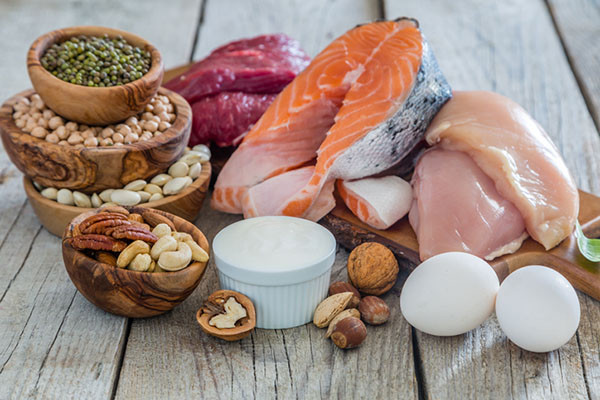
High Protein Foods: Complete List of Best Sources for Muscle, Weight Loss & Optimal Health in 2025
Protein powers every cell in your body - from building muscle and bone to creating hormones and immune cells. But with countless protein sources available, which foods deliver the most protein per serving while supporting your health goals?
After analyzing nutritional databases, consulting Harvard Health research, and reviewing protein quality studies, we've compiled the definitive resource on high protein foods - covering everything from complete protein sources to plant-based options, protein content per serving, and optimal daily intake recommendations.
This comprehensive breakdown reveals the best high protein foods for muscle building, weight loss, and overall health - whether you prefer animal proteins, plant-based sources, or a balanced mix of both.
Discover exactly which foods pack the most protein punch, how much you need daily, and the healthiest ways to incorporate protein-rich foods into every meal.
Why Your Body Needs Protein Every Day
Essential Functions of Dietary Protein
Protein serves critical roles in your body:
Building and Repairing Tissues:
✅ Creates muscle fibers and repairs after exercise
✅ Builds bone matrix and cartilage
✅ Forms skin, hair, and nails
✅ Repairs damaged cells throughout body
✅ Supports wound healing and recovery
Creating Essential Body Chemicals:
✅ Makes enzymes that digest food and create energy
✅ Produces hormones that regulate body processes
✅ Creates antibodies for immune defense
✅ Builds hemoglobin to carry oxygen in blood
✅ Forms neurotransmitters for brain function
Maintaining Body Processes:
✅ Regulates fluid balance between cells
✅ Supports blood clotting when injured
✅ Maintains pH balance in blood and tissues
✅ Transports nutrients throughout body
✅ Provides backup energy source when needed
The Bottom Line: Without adequate protein, your body literally breaks down. Muscles weaken, immunity falters, wounds heal slowly, and energy plummets.
Understanding Amino Acids and Complete Proteins
The Protein Building Blocks:
Proteins consist of chains of amino acids - 20 different types total.
Your Body Makes Some Amino Acids:
- Nonessential amino acids: 11 types your body produces
- No need to consume these through food
- Body manufactures them from other compounds
You Must Eat Other Amino Acids:
- Essential amino acids: 9 types body cannot make
- Must come from dietary protein
- Necessary for normal body functioning
- Missing even one impairs protein synthesis
Complete vs Incomplete Proteins:
Complete Proteins (Contain All 9 Essential Amino Acids):
✅ Animal sources: meat, fish, poultry, eggs, dairy
✅ Soy products: tofu, tempeh, edamame
✅ Quinoa (rare plant-based complete protein)
✅ Highest quality protein sources
Incomplete Proteins (Missing 1+ Essential Amino Acids):
⚠️ Most plant-based proteins
⚠️ Beans, lentils, nuts, seeds (individually)
⚠️ Grains and vegetables
⚠️ Still valuable but need variety
The Plant-Based Solution: Combine different incomplete proteins throughout the day (beans + rice, hummus + whole grain pita) to get all essential amino acids. No need to combine in same meal - just consume variety daily.
How Much Protein Do You Need Daily?
Standard Protein Requirements for Adults
The Official Recommendation:
Recommended Dietary Allowance (RDA):
- 0.8 grams per kilogram of body weight
- 0.36 grams per pound of body weight
What This Means:
- 150-pound person: 54 grams daily
- 165-pound person: 60 grams daily
- 180-pound person: 65 grams daily
- 200-pound person: 72 grams daily
Simple Calculation: Your weight in pounds × 0.36 = daily protein grams needed
Example: 165 pounds × 0.36 = 59.4 grams protein daily
Protein Needs Based on Activity and Goals
Sedentary Adults (Little Physical Activity):
- Amount: 0.8 g/kg body weight (RDA minimum)
- Example: 150 lbs = 54g daily
- Purpose: Basic tissue maintenance
Active Adults (Regular Exercise 3-5x Weekly):
- Amount: 1.0-1.2 g/kg body weight
- Example: 150 lbs = 68-82g daily
- Purpose: Support workout recovery
Athletes and Muscle Building:
- Amount: 1.6-2.2 g/kg body weight
- Example: 150 lbs = 109-150g daily
- Purpose: Maximize muscle growth and repair
Weight Loss Goals:
- Amount: 1.2-1.6 g/kg body weight
- Example: 150 lbs = 82-109g daily
- Purpose: Preserve muscle while losing fat
Older Adults (Age 50+):
- Amount: 1.0-1.2 g/kg body weight
- Example: 150 lbs = 68-82g daily
- Purpose: Prevent age-related muscle loss
Pregnancy and Breastfeeding:
- Amount: 1.1-1.3 g/kg body weight
- Example: 150 lbs = 75-88g daily
- Purpose: Support baby development
Your Protein Needs Fluctuate: Activity level, age, health status, and goals all affect your optimal protein intake. The RDA is the minimum to avoid deficiency, not necessarily optimal for health and performance.
Best High Protein Animal Foods
Lean Meats and Poultry
Chicken Breast (Skinless, Cooked):
- Protein: 31g per 100g (3.5 oz)
- Calories: 165 per 100g
- Fat: 3.6g (mostly unsaturated)
- Other nutrients: B vitamins, selenium, phosphorus
Per 4 oz serving: 35g protein, 187 calories
Benefits:
✅ Extremely lean protein source
✅ Versatile for any cuisine
✅ Budget-friendly
✅ Low in saturated fat
Best for: Daily protein staple, meal prep, muscle building
Turkey Breast (Skinless, Roasted):
- Protein: 30g per 100g
- Calories: 135 per 100g
- Fat: 1g (ultra-lean)
- Other nutrients: B vitamins, selenium, zinc
Per 4 oz serving: 34g protein, 153 calories
Benefits:
✅ Leaner than chicken
✅ High in tryptophan (supports sleep)
✅ Rich in selenium
✅ Post-workout recovery
Best for: Weight loss diets, lean protein needs
Lean Beef (95% Lean, Cooked):
- Protein: 26g per 100g
- Calories: 137 per 100g
- Fat: 5g
- Other nutrients: Iron, zinc, B12, creatine
Per 4 oz serving: 29g protein, 155 calories
Benefits:
✅ Highest iron content (heme iron absorbs better)
✅ Complete B vitamin profile
✅ Natural creatine for strength
✅ Rich in zinc
Caution: Limit red meat to 1-2 servings weekly due to cardiovascular concerns.
Best for: Preventing iron deficiency, strength athletes (occasionally)
Pork Loin (Lean, Roasted):
- Protein: 27g per 100g
- Calories: 143 per 100g
- Fat: 4g
- Other nutrients: Thiamine, selenium, zinc
Per 4 oz serving: 30g protein, 162 calories
Benefits:
✅ Leaner than most people think
✅ Excellent thiamine source
✅ Versatile preparation methods
Choose: Tenderloin and loin cuts (leanest parts)
Avoid: Bacon, sausage, processed pork (high fat/sodium)
Best for: Lean protein variety, budget-conscious
Fish and Seafood
Salmon (Wild-Caught, Cooked):
- Protein: 25g per 100g
- Calories: 206 per 100g
- Fat: 12g (omega-3 rich)
- Other nutrients: Vitamin D, omega-3s, selenium, B12
Per 4 oz serving: 28g protein, 233 calories
Benefits:
✅ Highest omega-3 fatty acid content
✅ Anti-inflammatory properties
✅ Heart and brain health benefits
✅ Vitamin D powerhouse
Best for: Heart health, brain function, anti-inflammatory diet
Tuna (Canned in Water):
- Protein: 29g per 100g
- Calories: 116 per 100g
- Fat: 1g (very lean)
- Other nutrients: Selenium, B vitamins
Per 4 oz serving: 33g protein, 131 calories
Benefits:
✅ Extremely convenient and shelf-stable
✅ Very lean protein source
✅ Budget-friendly
✅ Quick meals and snacks
Mercury concern: Limit to 2-3 servings weekly; choose light tuna over albacore
Best for: Convenience, meal prep, weight loss
Shrimp (Cooked):
- Protein: 24g per 100g
- Calories: 99 per 100g
- Fat: 0.3g (virtually fat-free)
- Other nutrients: Selenium, vitamin B12, iodine
Per 4 oz serving: 27g protein, 112 calories
Benefits:
✅ Lowest calorie high protein food
✅ Cooks in minutes
✅ Versatile preparation
✅ Rich in selenium
Best for: Weight loss, low-calorie high protein needs
Cod and White Fish:
- Protein: 20-23g per 100g
- Calories: 90-105 per 100g
- Fat: 0.5-1g (very lean)
Per 4 oz serving: 23-26g protein, 102-119 calories
Benefits:
✅ Mild flavor appeals to most
✅ Very lean protein
✅ Low mercury options
✅ Budget-friendly
Best choices: Cod, haddock, tilapia, pollock
Best for: Lean protein, picky eaters, frequent fish consumption
Dairy Products
Greek Yogurt (Non-Fat, Plain):
- Protein: 10g per 100g
- Calories: 59 per 100g
- Fat: 0g
- Other nutrients: Calcium, probiotics, B12
Per 1 cup (227g): 23g protein, 134 calories
Benefits:
✅ High protein-to-calorie ratio
✅ Probiotic gut health benefits
✅ Versatile (savory or sweet)
✅ Calcium for bone health
✅ Satisfying and filling
Best for: Breakfast, snacks, post-workout recovery
Cottage Cheese (Low-Fat):
- Protein: 11g per 100g
- Calories: 72 per 100g
- Fat: 1g
Per 1 cup (226g): 25g protein, 163 calories
Benefits:
✅ Slow-digesting casein protein
✅ Ideal before bed (sustained release)
✅ High in leucine for muscle building
✅ Versatile additions (fruit, nuts, savory toppings)
Best for: Evening snack, muscle recovery overnight
Milk (Low-Fat 1%):
- Protein: 3.4g per 100ml
- Calories: 42 per 100ml
Per 1 cup (240ml): 8g protein, 102 calories
Benefits:
✅ Complete protein with carbs (post-workout ideal)
✅ Calcium and vitamin D
✅ Hydrating
✅ Affordable protein source
Best for: Post-workout recovery, smoothies, cereal
Cheese (Lower Fat Options):
Mozzarella (Part-Skim):
- Protein: 22g per 100g
- Calories: 254 per 100g
- Per oz: 6g protein, 72 calories
Parmesan:
- Protein: 38g per 100g
- Calories: 431 per 100g
- Per tbsp: 2g protein, 22 calories
Caution: Cheese is protein-rich but also high in calories, saturated fat, and sodium. Use as accent, not main protein source.
Best for: Adding protein to meals in moderation
Eggs and Egg Products
Whole Eggs (Large):
- Protein: 13g per 100g (2 large eggs)
- Calories: 143 per 100g
- Fat: 10g
- Other nutrients: Choline, vitamin D, B vitamins, selenium
Per 1 large egg: 6g protein, 72 calories
Benefits:
✅ Complete protein with all essential amino acids
✅ Highest quality protein (biological value 100)
✅ Rich in choline for brain health
✅ Vitamin D and antioxidants
✅ Extremely versatile and affordable
✅ Portable and convenient
Best for: Breakfast, any meal, budget protein, complete nutrition
Egg Whites:
- Protein: 11g per 100g
- Calories: 52 per 100g
- Fat: 0g
Per 1 large egg white: 4g protein, 17 calories
Benefits:
✅ Pure protein with zero fat
✅ Lowest calorie protein source
✅ Ideal for weight loss
✅ High-volume eating
Best for: Weight loss diets, bodybuilding cuts, increasing protein without calories
Best High Protein Plant-Based Foods
Legumes (Beans, Lentils, Peas)
Lentils (Cooked):
- Protein: 9g per 100g
- Calories: 116 per 100g
- Fiber: 8g per 100g
- Other nutrients: Folate, iron, potassium
Per 1 cup (198g): 18g protein, 230 calories
Benefits:
✅ Budget-friendly protein powerhouse
✅ High fiber for digestive health
✅ Rich in folate (especially important for women)
✅ Iron for energy
✅ Cooks quickly (no soaking needed)
✅ Versatile (soups, salads, curries)
Best for: Budget-conscious, plant-based diets, blood sugar control
Chickpeas/Garbanzo Beans (Cooked):
- Protein: 9g per 100g
- Calories: 164 per 100g
- Fiber: 7g per 100g
Per 1 cup (164g): 15g protein, 269 calories
Benefits:
✅ Versatile (hummus, roasted, salads, curries)
✅ High fiber keeps you full
✅ Manganese and folate
✅ Roasts crispy for snacks
Best for: Mediterranean diet, snacks (roasted chickpeas), hummus lovers
Black Beans (Cooked):
- Protein: 9g per 100g
- Calories: 132 per 100g
- Fiber: 9g per 100g
Per 1 cup (172g): 15g protein, 227 calories
Benefits:
✅ Highest fiber among beans
✅ Antioxidant-rich (dark color = anthocyanins)
✅ Blood sugar regulation
✅ Heart health benefits
Best for: Mexican cuisine, burrito bowls, blood sugar control
Kidney Beans (Cooked):
- Protein: 9g per 100g
- Calories: 127 per 100g
Per 1 cup (177g): 16g protein, 225 calories
Best for: Chili, soups, stews
Edamame (Cooked):
- Protein: 11g per 100g
- Calories: 122 per 100g
- Fiber: 5g per 100g
Per 1 cup (155g): 17g protein, 189 calories
Benefits:
✅ Complete protein (contains all amino acids)
✅ Young soybeans packed with nutrients
✅ Quick snack (steam 5 minutes)
✅ Rich in isoflavones
Best for: Snacks, appetizers, Asian cuisine, complete plant protein
Split Peas (Cooked):
- Protein: 8g per 100g
- Calories: 116 per 100g
Per 1 cup (196g): 16g protein, 227 calories
Best for: Split pea soup, budget meals
Soy Products
Tofu (Firm, Raw):
- Protein: 8g per 100g
- Calories: 70 per 100g
- Fat: 4g
Per 4 oz (113g): 9g protein, 79 calories
Benefits:
✅ Complete protein source
✅ Absorbs flavors of marinades and sauces
✅ Versatile (scrambles, stir-fries, grilled, baked)
✅ Calcium-set tofu provides calcium
✅ Low calorie for protein content
Best for: Plant-based diets, Asian cuisine, protein variety
Tempeh:
- Protein: 19g per 100g
- Calories: 193 per 100g
- Fiber: 9g per 100g
Per 4 oz (113g): 21g protein, 218 calories
Benefits:
✅ Fermented soy (easier to digest, probiotics)
✅ Firmer texture than tofu
✅ Nutty flavor
✅ Higher protein than tofu
✅ More vitamins from fermentation
Best for: Plant-based high protein, fermented food benefits, meat alternative
Soy Milk (Unsweetened):
- Protein: 3.3g per 100ml
- Calories: 33 per 100ml
Per 1 cup (240ml): 8g protein, 80 calories
Benefits:
✅ Highest protein plant milk
✅ Often fortified with calcium and vitamin D
✅ Dairy-free alternative
Best for: Smoothies, cereal, coffee, dairy-free protein
Whole Grains
Quinoa (Cooked):
- Protein: 4.4g per 100g
- Calories: 120 per 100g
- Fiber: 2.8g per 100g
Per 1 cup (185g): 8g protein, 222 calories
Benefits:
✅ Complete plant protein (rare!)
✅ Contains all 9 essential amino acids
✅ Gluten-free
✅ Rich in minerals (manganese, magnesium, phosphorus)
✅ Quick cooking (15 minutes)
Best for: Plant-based complete protein, gluten-free diets, grain bowls
Oats (Dry):
- Protein: 13g per 100g
- Calories: 379 per 100g
- Fiber: 11g per 100g
Per 1/2 cup dry (40g): 5g protein, 152 calories
Benefits:
✅ Heart-healthy beta-glucan fiber
✅ Sustained energy release
✅ Budget-friendly
✅ Versatile (oatmeal, overnight oats, baking)
Best for: Breakfast, cholesterol reduction, endurance athletes
Whole Wheat Bread:
- Protein: 9-13g per 100g (varies by brand)
- Calories: 247 per 100g
Per 2 slices (60g): 6-8g protein, 148 calories
Best for: Sandwiches, toast, adding protein to meals
Nuts and Seeds
Almonds:
- Protein: 21g per 100g
- Calories: 579 per 100g
- Fat: 50g (mostly monounsaturated)
Per 1 oz / 23 almonds (28g): 6g protein, 164 calories
Benefits:
✅ Heart-healthy monounsaturated fats
✅ Vitamin E antioxidant
✅ Magnesium for muscle function
✅ Portable snack
Best for: Snacks, salad toppers, heart health
Peanuts and Peanut Butter:
- Protein: 25-26g per 100g
- Calories: 567-588 per 100g
Per 2 tbsp peanut butter (32g): 8g protein, 188 calories
Per 1 oz peanuts (28g): 7g protein, 161 calories
Benefits:
✅ Highest protein among common nuts
✅ Budget-friendly protein source
✅ Filling and satisfying
✅ Versatile (sandwiches, smoothies, sauces)
Best for: Budget protein, quick snacks, kid-friendly
Pumpkin Seeds (Pepitas):
- Protein: 19g per 100g
- Calories: 446 per 100g
- Magnesium: 262mg per 100g (66% DV)
Per 1 oz (28g): 5g protein, 125 calories
Benefits:
✅ Rich in magnesium and zinc
✅ Antioxidant properties
✅ Support prostate health
✅ Crunchy salad/soup topper
Best for: Salad toppings, trail mix, mineral intake
Chia Seeds:
- Protein: 17g per 100g
- Calories: 486 per 100g
- Fiber: 34g per 100g
- Omega-3: 18g per 100g
Per 2 tbsp (28g): 5g protein, 138 calories
Benefits:
✅ Highest plant-based omega-3 source
✅ Absorbs liquid (creates gel, increases fullness)
✅ Complete protein
✅ Tiny seeds pack huge nutrition
Best for: Chia pudding, smoothies, overnight oats, omega-3 intake
Hemp Seeds (Hearts):
- Protein: 32g per 100g
- Calories: 553 per 100g
Per 3 tbsp (30g): 10g protein, 166 calories
Benefits:
✅ Complete protein with all amino acids
✅ Perfect omega-3 to omega-6 ratio
✅ Easily digestible
✅ Nutty flavor
Best for: Smoothies, yogurt topper, salads, complete plant protein
Important Note About Nuts and Seeds: While protein-rich, they're also high in calories and fat (healthy fats, but calorie-dense). Use as protein supplement, not primary protein source. A 1-2 oz serving provides good protein boost without excessive calories.
Building High Protein Meals Throughout the Day
High Protein Breakfast Ideas
Option 1: Greek Yogurt Power Bowl
- 1 cup non-fat Greek yogurt (23g)
- 2 tbsp hemp seeds (7g)
- 1/4 cup granola (3g)
- Berries and honey
- Total: 33g protein, 380 calories
Option 2: Protein-Packed Omelet
- 2 whole eggs (12g)
- 1/2 cup egg whites (14g)
- 1/4 cup black beans (4g)
- Vegetables, salsa
- 1 slice whole wheat toast (4g)
- Total: 34g protein, 350 calories
Option 3: Protein Oatmeal
- 1/2 cup dry oats (5g)
- 1 scoop protein powder (20g)
- 2 tbsp peanut butter (8g)
- 1/2 cup milk (4g)
- Banana
- Total: 37g protein, 520 calories
Option 4: Scrambled Tofu Breakfast
- 6 oz firm tofu (14g)
- 1/2 cup black beans (8g)
- Whole wheat tortilla (4g)
- Avocado, salsa
- Total: 26g protein, 420 calories
High Protein Lunch Options
Option 1: Grilled Chicken Salad
- 5 oz grilled chicken breast (40g)
- Large mixed greens
- 1/4 cup chickpeas (4g)
- 1 oz almonds (6g)
- Olive oil vinaigrette
- Total: 50g protein, 480 calories
Option 2: Tuna Salad Sandwich
- 1 can tuna in water (33g)
- 2 slices whole wheat bread (8g)
- Mixed greens, tomato
- 1 cup Greek yogurt on side (23g)
- Total: 64g protein, 420 calories
Option 3: Salmon Buddha Bowl
- 4 oz wild salmon (28g)
- 1 cup quinoa (8g)
- 1/2 cup edamame (9g)
- Roasted vegetables
- Total: 45g protein, 550 calories
Option 4: Lentil Soup + Whole Grain
- 2 cups lentil soup (18g)
- Whole wheat roll (6g)
- Side salad with pumpkin seeds (3g)
- Total: 27g protein, 420 calories
High Protein Dinner Ideas
Option 1: Lean Beef Stir-Fry
- 5 oz lean beef (36g)
- Mixed vegetables
- Brown rice (5g)
- Total: 41g protein, 480 calories
Option 2: Baked Cod with Beans
- 6 oz cod (35g)
- 1 cup white beans (15g)
- Steamed broccoli
- Total: 50g protein, 420 calories
Option 3: Turkey Chili
- 5 oz ground turkey (35g)
- 1 cup kidney beans (16g)
- Tomatoes, peppers
- 2 tbsp Greek yogurt topping (3g)
- Total: 54g protein, 450 calories
Option 4: Tofu Tempeh Stir-Fry
- 4 oz tempeh (21g)
- 4 oz tofu (9g)
- Mixed vegetables
- 1 cup edamame (17g)
- Brown rice (5g)
- Total: 52g protein, 580 calories
High Protein Snack Options
Quick Protein Snacks (10-15g):
- 1 cup cottage cheese (25g) + fruit
- 2 hard-boiled eggs (12g)
- Protein smoothie: protein powder (20g) + berries + spinach
- 1 oz almonds (6g) + string cheese (7g) = 13g
- Greek yogurt (23g)
Portable Protein Snacks (5-10g):
- 1 oz beef jerky (9g)
- 2 tbsp peanut butter (8g) + apple
- Trail mix: 1 oz nuts + seeds (6-8g)
- Roasted chickpeas, 1/2 cup (7g)
- Edamame, 1/2 cup (9g)
Choosing Between Animal and Plant Protein Sources
The Protein Package Matters
Beyond Just Protein Content:
When selecting high protein foods, consider what else comes with the protein:
- Fats (saturated vs unsaturated)
- Fiber and micronutrients
- Cholesterol and sodium
- Processing and additives
- Environmental impact
Animal Protein Packages:
✅ Chicken Breast:
- High protein (31g/100g)
- Low saturated fat
- B vitamins, selenium
- Package rating: Excellent
⚠️ 85% Lean Ground Beef:
- Good protein (17g/100g)
- Higher saturated fat (6g/100g)
- Iron, B12, zinc
- Package rating: Moderate (limit frequency)
❌ Bacon:
- Low protein (12g/100g)
- Very high saturated fat (12g/100g)
- High sodium (833mg/100g)
- Processed meat (cancer risk)
- Package rating: Poor (occasional treat only)
Plant Protein Packages:
✅ Lentils:
- Good protein (9g/100g cooked)
- High fiber (8g/100g)
- Folate, iron, potassium
- Zero saturated fat
- Package rating: Excellent
✅ Almonds:
- Good protein (21g/100g)
- Healthy monounsaturated fats
- Vitamin E, magnesium
- Calorie-dense
- Package rating: Very good
Health Benefits of Plant-Based Proteins
Cardiovascular Protection:
✅ Research shows replacing red meat with plant proteins reduces heart disease risk
✅ Lower saturated fat intake
✅ Higher fiber supports healthy cholesterol
✅ Potassium helps regulate blood pressure
✅ Anti-inflammatory compounds
Diabetes Prevention:
✅ High fiber slows blood sugar spikes
✅ Better insulin sensitivity
✅ Weight management support
✅ Lower diabetes risk vs red meat
Cognitive Benefits:
✅ Study found 5% of calories from plant protein (vs carbs) = 26% lower dementia risk
✅ Anti-inflammatory properties protect brain
✅ Antioxidants from plant foods
Longevity:
✅ Blue Zones (longest-lived populations) emphasize plant proteins
✅ Lower all-cause mortality
✅ Reduced chronic disease risk
Environmental Sustainability:
✅ Lower carbon footprint
✅ Less water usage
✅ Reduced land requirements
✅ Better for planet health
When Animal Proteins Excel
Complete Amino Acid Profile:
✅ All essential amino acids in optimal ratios
✅ No need to combine foods
✅ Efficient protein source
Nutrient Density:
✅ Vitamin B12 (not available in plants)
✅ Heme iron (absorbs better than plant iron)
✅ Zinc (higher bioavailability)
✅ Omega-3s EPA/DHA (fish)
✅ Vitamin D (fatty fish, eggs)
Muscle Building Efficiency:
✅ Higher leucine content (triggers muscle synthesis)
✅ Better digestibility
✅ Complete proteins optimize muscle growth
Special Populations:
✅ Pregnant/breastfeeding women (B12, choline, iron needs)
✅ Older adults (preventing sarcopenia)
✅ Athletes (recovery and performance)
✅ Recovering from illness/surgery
The Balanced Approach
Mediterranean Diet Model:
✅ Emphasizes plant proteins (beans, lentils, nuts)
✅ Includes fish 2-3x weekly
✅ Moderate poultry
✅ Limited red meat (1-2x monthly)
✅ Eggs in moderation
✅ Dairy (especially yogurt)
Benefits of Both:
- Complete nutrition from diverse sources
- Flexibility for preferences and budgets
- Reduced disease risk
- Sustainable long-term eating pattern
Recommended Balance:
- 40-60% plant proteins: Beans, lentils, tofu, nuts, seeds
- 30-50% animal proteins: Fish, poultry, eggs, dairy
- 10% or less from red meat: Lean cuts, occasional
Higher Protein Diets for Specific Goals
Muscle Building and Athletic Performance
Protein Needs for Muscle Growth:
- Amount: 1.6-2.2 g/kg body weight
- Example: 180 lb athlete = 130-180g daily
- Timing: Distribute evenly across 4-5 meals
Optimal Muscle-Building Foods:
✅ Chicken breast: Lean, high protein
✅ Eggs: Complete protein, leucine-rich
✅ Greek yogurt: Casein and whey proteins
✅ Salmon: Protein + omega-3s (reduce inflammation)
✅ Quinoa: Complete plant protein
✅ Lean beef: Protein + creatine
Post-Workout Protein:
- 20-40g within 2 hours after training
- Combination protein + carbs optimal
- Examples: Chicken + rice, Greek yogurt + fruit, protein shake + banana
Protein Distribution: Research shows 20-40g per meal optimizes muscle protein synthesis better than one large protein meal.
Weight Loss and Appetite Control
Why Higher Protein Helps Weight Loss:
Increased Satiety:
✅ Protein triggers fullness hormones (GLP-1, peptide YY)
✅ Reduces hunger hormone ghrelin
✅ Feel satisfied on fewer calories
✅ Less snacking between meals
Higher Thermic Effect:
✅ Body burns 20-30% of protein calories digesting it
✅ Carbs: 5-10%, Fat: 0-3% burned in digestion
✅ Eating 100g protein burns 20-30 calories automatically
Preserves Muscle During Weight Loss:
✅ Prevents metabolic slowdown
✅ Maintains calorie burn
✅ Lose fat, not muscle
Recommended for Weight Loss:
- Amount: 1.2-1.6 g/kg body weight
- Example: 150 lb person = 82-109g daily
- Best sources: Lean meats, fish, Greek yogurt, eggs, legumes
Best High Protein Foods for Weight Loss:
- Chicken breast: Highest protein per calorie
- Shrimp: Only 99 calories per 100g, 24g protein
- White fish: Very lean, satisfying
- Greek yogurt: High protein, filling
- Egg whites: Pure protein, minimal calories
- Lentils: Protein + fiber = maximum fullness
Maintaining Muscle Mass After Age 50
Age-Related Muscle Loss (Sarcopenia):
- Adults lose 3-8% muscle mass per decade after 30
- Accelerates after 60 years old
- Loss of strength, mobility, independence
- Increased fall and fracture risk
Higher Protein Prevents Muscle Loss:
- Recommended: 1.0-1.2 g/kg body weight (higher than standard RDA)
- Example: 150 lb senior = 68-82g daily
- Supports muscle maintenance despite aging
Best Protein Sources for Seniors:
✅ Easy to chew and digest
✅ High quality complete proteins
✅ Nutrient-dense
Top Choices:
- Greek yogurt: Easy to eat, calcium for bones
- Eggs: Soft, complete protein, affordable
- Fish: Easy to chew, omega-3s for brain
- Ground turkey: Easier than chicken breast
- Cottage cheese: Soft, high protein
- Protein smoothies: If appetite is poor
Combine with Resistance Training: Protein alone isn't enough - strength training 2-3x weekly maximizes muscle retention.
High Protein Foods Frequently Asked Questions
Q: What food has the highest protein per serving?
A: Chicken breast has the highest protein-to-calorie ratio among whole foods at 31g protein per 100g and only 165 calories. For absolute protein concentration, protein powders provide 20-30g per scoop, but among real foods, chicken breast, turkey breast (30g/100g), and tuna (29g/100g) top the list. Shrimp offers the best combination of high protein (24g/100g) with lowest calories (99/100g) - ideal for weight loss.
Q: How can I get 100 grams of protein a day?
A: Spread protein across 4-5 meals: Breakfast - 2 eggs + Greek yogurt (20g), Lunch - 5 oz chicken breast on salad (35g), Snack - Protein shake or handful almonds + cheese (15g), Dinner - 5 oz salmon + quinoa (30g). Total: 100g. Or simplified: Two 4-oz servings lean meat/fish (60g) + 2 eggs (12g) + 1 cup Greek yogurt (23g) + handful nuts (6g) = 101g protein. The key is including protein at every meal rather than relying on one large protein dinner.
Q: Are eggs high in protein?
A: Yes, eggs are excellent high-protein foods. Each large egg contains 6g complete protein with all essential amino acids. Two eggs provide 12g protein - comparable to a glass of milk or 1.5 oz chicken. Eggs have the highest biological value (100) meaning your body uses egg protein most efficiently. They're also versatile, affordable, and portable. For maximum protein with minimal calories, egg whites provide 4g protein per egg white with only 17 calories (whole egg has 72 calories).
Q: What plant-based foods are highest in protein?
A: Top plant protein sources: Tempeh (19g/100g), hemp seeds (32g/100g raw), lentils (18g/cup cooked), edamame (17g/cup), chickpeas (15g/cup), black beans (15g/cup), tofu (9g per 4oz), quinoa (8g/cup), and peanut butter (8g per 2 tbsp). For complete plant proteins (all amino acids), choose: quinoa, soy products (tofu, tempeh, edamame), hemp seeds, or combine legumes with grains (beans + rice).
Q: Is Greek yogurt better than regular yogurt for protein?
A: Yes, Greek yogurt has 2-3x more protein than regular yogurt. Greek yogurt provides 10g protein per 100g vs regular yogurt's 3-4g per 100g. A 1-cup serving of Greek yogurt delivers 20-23g protein compared to regular yogurt's 8-12g. The straining process that creates Greek yogurt removes liquid whey, concentrating the protein. For maximum protein, choose non-fat plain Greek yogurt. However, Greek yogurt costs more and has less calcium (some is lost in straining) than regular yogurt.
Q: Can I build muscle on a plant-based diet?
A: Yes, absolutely! Many successful athletes and bodybuilders follow plant-based diets. Keys to plant-based muscle building: 1) Consume adequate total protein (1.6-2.2 g/kg body weight), 2) Eat variety of plant proteins to get all amino acids, 3) Choose complete plant proteins (quinoa, soy, hemp) or combine complementary proteins, 4) Consider plant-based protein powder for convenience, 5) Focus on leucine-rich foods (soy, pumpkin seeds, peanuts). Examples: Tempeh, tofu, seitan, lentils, quinoa, hemp seeds provide excellent muscle-building nutrition.
Q: How much protein do I need to lose weight?
A: For weight loss, aim for 1.2-1.6 g/kg body weight (roughly 20-30% of daily calories). For a 150 lb person, that's 82-109g protein daily. Higher protein during calorie restriction: preserves muscle mass (maintains metabolism), increases satiety (feel fuller on fewer calories), has higher thermic effect (burns more calories digesting), and reduces cravings. Focus on lean protein sources like chicken breast, fish, Greek yogurt, eggs, and legumes to maximize protein while controlling calories.
Q: Is it better to eat protein before or after a workout?
A: Total daily protein matters more than precise timing, but consuming 20-40g protein within 2 hours after workouts supports optimal recovery. Post-workout protein helps repair muscle damage and stimulate growth. Pre-workout protein (1-2 hours before) can also be beneficial, providing amino acids available during and after training. For most people, eating protein at both times works well: small protein snack before training, larger protein meal after. Don't stress perfect timing - consistency with total daily protein intake is most important.
Q: Are protein shakes necessary?
A: No, protein shakes are convenient but not necessary. Most people can meet protein needs from whole foods (meat, fish, eggs, dairy, beans, nuts). Shakes make sense for: athletes with very high needs (150g+), convenience when rushed, post-workout quick absorption, elderly with poor appetite, or vegans struggling to meet goals. Whole foods provide protein plus fiber, vitamins, minerals, and antioxidants that shakes lack. If using shakes, choose quality brands, limit to 1 serving daily, and prioritize whole food proteins.
Q: What's the best high protein food for breakfast?
A: Greek yogurt or eggs are top breakfast protein choices. Greek yogurt provides 20-23g protein per cup, plus probiotics and calcium - quick, convenient, versatile. Eggs deliver 6g protein each (12g for 2 eggs) with complete amino acids - affordable, filling, endless preparation options. Both keep you satisfied until lunch better than carb-heavy breakfasts. Combine either with whole grains and fruit for complete nutrition. Other excellent options: cottage cheese, protein smoothies, or tofu scramble for plant-based eaters.
Q: Can too much protein damage kidneys?
A: For healthy individuals, high protein (up to 2 g/kg) doesn't damage kidneys. However, people with existing kidney disease should limit protein as excess strains damaged kidneys. If you have kidney problems, diabetes, or high blood pressure, consult your doctor before increasing protein. For healthy people, main concerns with very high protein are nutrient imbalance (displacing carbs/fats), digestive issues, and unnecessary expense - not kidney damage. Stay hydrated, eat balanced diet, and most people safely consume moderate-high protein.
Q: Is salmon high in protein?
A: Yes, salmon is excellent high-protein food providing 25g protein per 100g (28g per 4 oz serving). Beyond protein, salmon offers unique benefits: highest omega-3 fatty acids (anti-inflammatory, heart and brain health), vitamin D (rare in foods), selenium, and B vitamins. Wild-caught salmon is generally healthier than farmed. While salmon has more fat than chicken or white fish (12g/100g), it's mostly healthy omega-3 fats. For lean protein, choose white fish; for protein plus omega-3 benefits, choose salmon.
Q: What beans have the most protein?
A: Edamame (young soybeans) have the most protein at 17g per cup cooked. Among dried beans: navy beans (16g/cup), kidney beans (16g/cup), black beans (15g/cup), chickpeas (15g/cup), and pinto beans (15g/cup). Lentils cook fastest and provide 18g per cup. All beans offer high fiber (7-9g/cup) alongside protein. Edamame is unique as a complete protein containing all essential amino acids. For maximum protein, choose edamame, lentils, or any dried bean variety - they're all excellent choices.
Q: Is peanut butter a good protein source?
A: Yes, peanut butter provides good protein (8g per 2 tbsp) but it's also calorie-dense (190 calories per 2 tbsp) from healthy fats. As protein source alone, lean meats or Greek yogurt offer more protein per calorie. But peanut butter excels as: convenient protein boost, satisfying snack, affordable option, and kid-friendly choice. Choose natural peanut butter (just peanuts + salt) avoiding added sugars and oils. Great for: smoothies, sandwiches, snacks with apple or celery. Use as supplemental protein, not primary source, due to high calories.
Q: How can vegetarians get enough protein?
A: Vegetarians easily meet protein needs with: eggs (6g each), Greek yogurt (23g/cup), cottage cheese (25g/cup), milk (8g/cup), plus plant proteins like lentils (18g/cup), chickpeas (15g/cup), quinoa (8g/cup), tofu (9g/4oz), tempeh (21g/4oz), nuts (6-7g/oz), and seeds. The key is variety throughout the day to get all essential amino acids. Aim for 2-3 servings protein-rich plant foods daily plus dairy/eggs. Most vegetarians consume adequate protein; vegans (no animal products) need more planning but can definitely meet needs with diverse plant foods.
Q: Does protein make you gain weight?
A: Protein itself doesn't cause weight gain - excess calories do. Protein actually helps weight management by increasing satiety (feel fuller), boosting metabolism (higher thermic effect), and preserving muscle (maintains calorie burn). However, eating more total calories than you burn causes weight gain, regardless of whether extra calories come from protein, carbs, or fat. High-protein foods can contribute to weight gain if portions are excessive. Bottom line: Track total calories, not just protein. In calorie-controlled diets, higher protein typically supports weight loss, not gain.
Making High Protein Foods Work for Your Lifestyle
The Practical Approach to Protein:
Meeting your protein needs doesn't require complicated calculations or expensive supplements. Focus on including quality protein sources at each meal, choosing variety, and balancing animal and plant proteins for optimal health.
Key Takeaways:
✅ Include protein at every meal - breakfast, lunch, dinner, snacks
✅ Choose lean animal proteins - chicken, fish, eggs, Greek yogurt
✅ Embrace plant proteins - beans, lentils, tofu, quinoa, nuts
✅ Aim for variety - different proteins provide different nutrients
✅ Consider the whole package - protein plus fats, fiber, vitamins
✅ Match intake to your goals - maintenance, weight loss, or muscle building
✅ Prioritize whole foods over processed protein products
✅ Balance is best - mix animal and plant sources
Your Protein Plan: Calculate your needs based on body weight and activity level, choose high-quality sources you enjoy, distribute protein across meals, and adjust based on your goals and how you feel. Protein is essential, but it's just one part of a healthy, balanced diet rich in vegetables, fruits, whole grains, and healthy fats.
The best high protein foods are the ones you'll actually eat consistently - find what works for your taste, budget, and lifestyle. 🥗🍗🥚🫘
Last Updated: November 26, 2025. Information based on USDA nutritional databases, Harvard Health Publishing, and current nutrition research.