Cameroon 2025: Political Crisis and Economic Struggles Grip Central African Nation
Cameroon faces mounting tensions in 2025 as contested elections, widespread protests, and humanitarian challenges threaten stability in the resource-rich Central African nation.
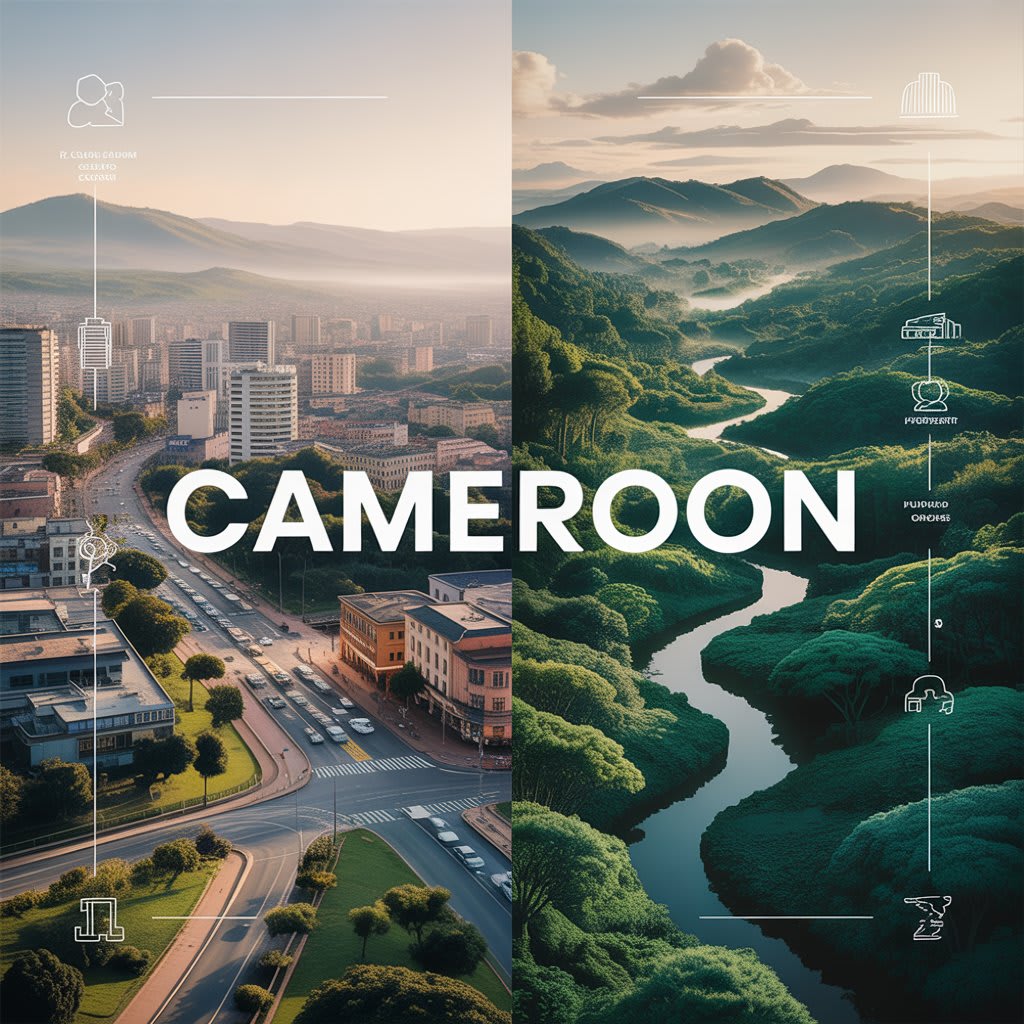
Cameroon Emerges as Focal Point of Global Attention in 2025
Cameroon has surged into international headlines in 2025, capturing global attention for reasons that extend far beyond its borders. The Central African nation, rarely in the media spotlight, now finds itself at the center of discussions about democratic governance, economic development, and humanitarian crises.
The country's troubles began with a contested presidential election that has sparked widespread protests and allegations of electoral fraud. Combined with ongoing humanitarian challenges and economic uncertainty, Cameroon's situation offers a stark reminder of the complex challenges facing many African nations today.
Contested Presidential Election Sparks National Crisis
The 2025 presidential election in Cameroon has become a flashpoint for decades of accumulated frustrations. Incumbent President Paul Biya, at 92 years old the world's oldest serving head of state, was declared the winner with 53.66% of votes, securing his eighth term in office.
However, the results have been widely disputed. Opposition leader Issa Tchiroma Bakary rejected the outcome, claiming victory and alleging widespread electoral fraud. His announcement of alternative results triggered mass protests across major cities.
The post-election period has been marked by violence, arrests, and allegations of human rights abuses. Young Cameroonians, in particular, have expressed deep disillusionment with a political system they believe no longer represents their interests or aspirations.
For many citizens, the disputed election represents more than just questions about vote counts—it symbolizes broader grievances about corruption, ineffective governance, lack of economic opportunity, and persistent inequality that have plagued Cameroon for years.
Economic Promise Meets Structural Reality in Cameroon
Despite political turmoil, Cameroon remains one of Africa's most resource-rich countries. The nation boasts abundant forests, fertile agricultural land, significant oil reserves, and valuable mineral deposits. Historically, Cameroon has been a major producer of cocoa, coffee, cotton, and timber.
Recent economic data shows modest improvements. Cameroon's real GDP grew by 3.5% in 2024, slightly better than the previous year, driven by rising cocoa prices, improved cotton yields, and better power supply. Inflation dropped from 7.4% in 2023 to approximately 4.5% in 2024.
However, these statistics mask deeper structural problems. Poverty remains widespread across Cameroon, with per capita incomes staying stubbornly low. Many citizens depend on subsistence agriculture or participate in the informal economy just to survive.
Economic experts argue that for Cameroon to reach its potential and achieve its ambition of becoming a more developed economy, the country needs comprehensive reforms. These include improved governance structures, diversification of exports beyond commodities, and sustainable management of natural resources.
Humanitarian Crisis Deepens Across Multiple Regions
Beyond political and economic challenges, Cameroon is grappling with serious humanitarian emergencies. Ongoing conflict in the Anglophone Northwest and Southwest regions, combined with instability in the Far North, has displaced large numbers of people internally.
Recent severe flooding has dramatically worsened the situation. Thousands of families have been forced into temporary shelters, access to essential health services has been disrupted, and food insecurity has risen sharply across affected areas.
Women and children, especially those already displaced, face increased risks including gender-based violence and severely limited access to maternal healthcare. International agencies like UNFPA have scrambled to provide sexual and reproductive health services and support for abuse survivors, but funding remains critically insufficient.
The combination of natural disasters, internal conflict, and structural vulnerabilities creates a dangerous situation that threatens to undermine hope and stability across Cameroon. This complex crisis requires coordinated international support and domestic reforms to address root causes.
Natural Wealth Versus Environmental Sustainability
Cameroon's forests and natural resources are often described as the nation's "green gold." The World Bank's 2025 economic update highlights how sustainable management of forests and resources could drive inclusive growth, particularly through ecotourism, medicinal plant industries, and forest-based ecosystem services.
However, Cameroon faces a critical challenge: historical patterns of deforestation, resource over-exploitation, and environmental neglect have already degraded large portions of its ecosystems. The country must now find ways to balance economic development needs with conservation imperatives.
If Cameroon wants to build a sustainable future, it must transform natural capital into long-term wealth without destroying the environmental assets that make its ecosystems unique. This requires strengthening environmental regulations, investing in sustainable industries, and resisting short-term extraction in favor of long-term value creation.
The stakes extend beyond Cameroon's borders. The country's forests play crucial roles in global biodiversity preservation and climate regulation. Environmental mismanagement threatens not only local communities but contributes to global ecological imbalance.
Youth Movement Demands Political and Economic Reform
Despite widespread turmoil, many Cameroonians—particularly young people—continue to push for meaningful change. In a country where the median age hovers around 19, youth represent both the majority of the population and the primary force demanding reforms.
Young Cameroonians are calling for better education systems, job creation, political fairness, and a future that values their voices and contributions. They reject the status quo and increasingly demand accountability from leaders who have held power for decades.
Civil society organizations, NGOs, and international partners are working to support vulnerable communities, especially displaced populations, women, and children. Programs aimed at improving education, healthcare, and climate resilience are underway, though they face significant funding and implementation challenges.
Regional and global institutions continue urging Cameroon's government to mobilize domestic resources more effectively, improve governance structures, and strengthen the business environment to make economic growth more inclusive and sustainable.
Why Cameroon's Stability Matters Globally
Cameroon's situation in 2025 extends far beyond a single country's internal troubles. The nation's challenges reflect broader global themes including climate resilience, natural resource management, political stability, youth empowerment, migration patterns, human rights, and the ongoing struggle for good governance.
For the global economy, Cameroon's export commodities—cocoa, coffee, timber—connect directly with markets worldwide. Political instability or agricultural failures create ripple effects that extend well beyond the country's borders.
From an environmental perspective, Cameroon's forests serve as critical components of global biodiversity and climate regulation systems. Continued mismanagement threatens both local communities and the global ecological balance that affects everyone.
Regarding human rights and migration, ongoing conflict and displacement can lead to refugee flows, regional instability, and increased international humanitarian burdens. Neighboring countries and the broader international community have strategic interests in Cameroon's stability.
For future generations, Cameroon's youth population—if properly supported through education and economic opportunity—could contribute significantly to Africa's development. However, unchecked poverty, persistent conflict, and chronic under-investment risk transforming hope into despair.
Path Forward Requires Comprehensive Reforms
Looking at Cameroon's current position, several key priorities emerge for moving from crisis toward promise. These reforms represent essential steps for creating lasting stability and prosperity.
Inclusive political reforms must be implemented, including transparent governance, genuine accountability, fair electoral processes, and an end to political repression. Citizens need to believe in their leaders and in democratic institutions.
Economic diversification away from commodity dependence is critical. Cameroon must invest in industrial development, service sectors, sustainable agriculture, and human capital to create resilient economic structures.
Natural resource management practices need fundamental transformation. Protecting forests, investing in ecotourism, and enforcing environmental regulations can turn natural wealth into sustainable prosperity rather than temporary extraction.
Humanitarian support and social services require stable funding and effective delivery systems. Access to healthcare, education, and social protection—especially for displaced and vulnerable populations—forms the foundation of social stability.
Youth empowerment and job creation through education, skills training, and entrepreneurship support can provide hope and opportunities to millions of young Cameroonians who represent the country's future.
Frequently Asked Questions
What is happening in Cameroon right now?
Cameroon is experiencing significant political turmoil following disputed presidential elections in late 2025. President Paul Biya, 92, was declared winner of his eighth term with 53.66% of votes, but opposition leaders claim fraud. Widespread protests, violence, and arrests have followed, while the country also faces humanitarian crises from regional conflicts and severe flooding.
Why is Cameroon important to the global economy?
Cameroon is a major producer of commodities including cocoa, coffee, cotton, and timber that are traded globally. The country also possesses significant oil reserves and mineral resources. Economic or political instability in Cameroon can affect global commodity prices and supply chains, making its stability important for international markets.
What are the main problems facing Cameroon?
Cameroon faces multiple interconnected challenges including contested elections and political instability, widespread poverty despite natural resource wealth, internal conflicts in Anglophone regions and the Far North, humanitarian crises from displacement and flooding, environmental degradation, and high youth unemployment in a country where the median age is 19.
Who is Paul Biya and how long has he ruled Cameroon?
Paul Biya is Cameroon's president and, at 92 years old, the world's oldest serving head of state. With his eighth term secured in the disputed 2025 election, he has ruled Cameroon for over four decades. His long tenure has become a focal point for opposition groups demanding political reform and democratic change.
What natural resources does Cameroon have?
Cameroon possesses abundant natural resources including extensive forests, fertile agricultural land, oil reserves, mineral deposits, and is historically a significant producer of cocoa, coffee, cotton, and timber. The country's forests are particularly valuable for biodiversity, climate regulation, and potential sustainable industries like ecotourism and medicinal plants.