Blue Spirulina: Health Benefits, Uses & What Makes This Superfood Different in 2025
Discover blue spirulina benefits including weight loss, immune support, brain health, and anti-inflammatory properties. Learn what makes blue spirulina different from green, how to use it, phycocyanin benefits, and best ways to add this superfood to your diet.
Blue Spirulina: The Vibrant Superfood Transforming Health and Wellness in 2025
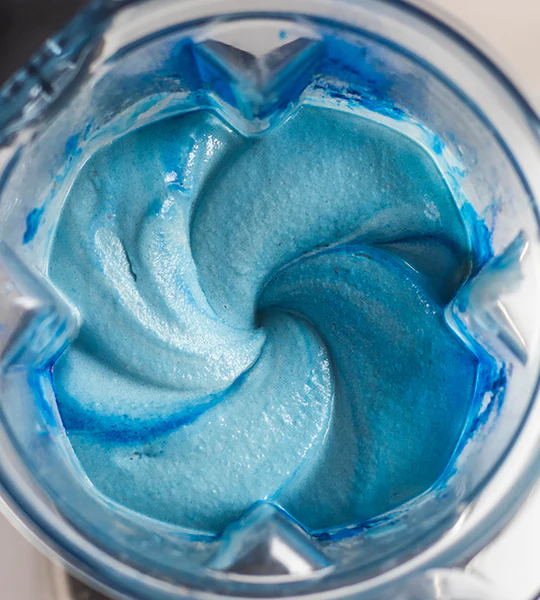
This brilliant blue powder has taken the wellness world by storm - transforming smoothie bowls into Instagram-worthy masterpieces while delivering serious nutritional benefits. But blue spirulina is far more than just a natural food coloring.
After researching nutritional studies, analyzing the science behind phycocyanin, and examining the differences between blue and green spirulina, we've created the complete resource on blue spirulina benefits, uses, and health impacts for 2025.
This comprehensive breakdown covers everything from what blue spirulina actually is to proven health benefits, how it differs from traditional green spirulina, optimal dosage, and creative ways to incorporate this superfood into your daily routine.
Whether you're curious about the metabolism-boosting claims, interested in natural anti-inflammatory compounds, or simply want to know if this trendy blue powder lives up to the hype, you'll discover exactly what science says about blue spirulina.
What Is Blue Spirulina and Where Does It Come From?
Understanding Spirulina Algae
The Basics:
Blue spirulina comes from Arthrospira platensis - a type of blue-green algae (cyanobacteria) that grows naturally in freshwater environments including lakes, ponds, and rivers.
Natural Habitat:
✅ Alkaline lakes in warm climates
✅ Freshwater bodies with high pH levels
✅ Naturally occurring in Africa and Central America
✅ Now cultivated worldwide in controlled conditions
✅ Thrives in tropical and subtropical waters
Ancient Superfood: Spirulina isn't new - it's been consumed for centuries by indigenous populations around Lake Chad in Africa and by Aztecs who harvested it from Lake Texcoco in Mexico. NASA even studied spirulina as a potential food source for astronauts due to its exceptional nutritional density.
Modern Production: Today's blue spirulina is typically cultivated in controlled farming environments to ensure purity, prevent contamination, and maintain consistent quality. This controlled growing process eliminates concerns about pollution or toxins that can affect wild-harvested algae.
The Science Behind the Brilliant Blue Color
Why Blue Spirulina Looks So Different:
The stunning blue color comes from phycocyanin - a powerful pigment-protein complex that spirulina produces naturally.
Phycocyanin Explained:
- What it is: Photosynthetic pigment found in blue-green algae
- Function in algae: Captures light energy for photosynthesis
- Color: Vibrant blue (versus green from chlorophyll)
- Health properties: Potent antioxidant and anti-inflammatory compound
- Extraction: Removed from spirulina through special processing
The Extraction Process:
To create blue spirulina powder:
- Green spirulina is harvested and dried
- Phycocyanin is extracted using water-based methods
- Green chlorophyll and other compounds are separated
- Pure blue phycocyanin pigment remains
- Result: Concentrated blue powder without the "fishy" taste
Why This Matters: The extraction concentrates the beneficial phycocyanin while removing the strong seaweed flavor that many people find off-putting in green spirulina. You get the health benefits without the taste challenge.
Blue Spirulina vs Green Spirulina: Key Differences
Green Spirulina (Traditional):
Composition:
- Whole spirulina algae
- Contains chlorophyll (green color)
- Full spectrum of nutrients
- 60-70% protein by weight
- Rich in vitamins, minerals, fatty acids
Taste:
- Strong ocean/seaweed flavor
- Earthy, slightly sulfuric
- Described as "fishy" or "like lake water"
- Difficult to mask in recipes
- Acquired taste for most people
Appearance:
- Dark green powder
- Can make foods look swampy
- Less appealing in light-colored dishes
Nutritional Profile:
- Complete protein (all amino acids)
- Vitamin B12, iron, copper
- Gamma-linolenic acid (GLA)
- Beta-carotene
- Wide range of nutrients
Blue Spirulina (Phycocyanin Extract):
Composition:
- Concentrated phycocyanin only
- Extracted from green spirulina
- Focused on antioxidant compound
- Lower protein content than whole spirulina
- Specialized health benefits
Taste:
- Virtually tasteless
- No fishy or seaweed flavor
- Easy to blend into any recipe
- Doesn't affect food taste
- Beginner-friendly
Appearance:
- Brilliant blue powder
- Creates stunning blue foods
- Instagram-worthy smoothie bowls
- Natural blue food coloring
- Vibrant aesthetic appeal
Nutritional Profile:
- High in antioxidant phycocyanin
- Anti-inflammatory properties
- Immune-supporting compounds
- Less complete nutrition than whole spirulina
- Focused benefits vs broad spectrum
Which Should You Choose?
Choose Green Spirulina if you want:
- Complete nutritional supplementation
- Maximum protein content
- Full spectrum vitamins and minerals
- Don't mind strong taste
- Overall health support
Choose Blue Spirulina if you want:
- Specific antioxidant benefits
- No unpleasant taste
- Beautiful blue color in recipes
- Anti-inflammatory support
- Easy addition to smoothies and foods
Best of Both Worlds: Many health enthusiasts use both - green spirulina tablets for complete nutrition and blue spirulina powder for smoothies and recipes.
Powerful Health Benefits of Blue Spirulina
Phycocyanin: The Star Antioxidant Compound
What Makes Phycocyanin Special:
Phycocyanin is the bioactive compound responsible for most of blue spirulina's health benefits.
Antioxidant Power:
✅ Neutralizes free radicals that damage cells
✅ Protects against oxidative stress
✅ May slow aging processes
✅ Supports cellular health
✅ Comparable antioxidant strength to vitamin C
Anti-Inflammatory Properties: According to research from algae specialists, phycocyanin acts as a powerful anti-inflammatory agent by:
- Inhibiting inflammatory enzymes (COX-2)
- Reducing inflammatory markers in the body
- Supporting the body's natural inflammation response
- May help with chronic inflammation conditions
Unique Benefits:
- Anti-allergen properties: Helps reduce allergic responses
- Red blood cell production: Supports oxygen transport
- Liver protection: May protect liver from toxins
- Neuroprotective effects: Supports brain cell health
Clinical Recognition: Phycocyanin has gained attention in medical research for its therapeutic potential in managing inflammation-related conditions, though more human studies are needed.
Weight Loss and Metabolism Support
How Blue Spirulina Aids Weight Management:
Low Calorie, High Nutrient Density:
- Extremely low in calories (typically 5-10 calories per serving)
- Packed with beneficial compounds
- Provides nutrition without calorie load
- Perfect for calorie-restricted diets
Protein Content Supports Satiety:
Blue spirulina (when from quality whole spirulina) contains approximately 60% protein, which:
✅ Increases feeling of fullness
✅ Reduces between-meal hunger
✅ Supports lean muscle maintenance
✅ Provides sustained energy
✅ Helps prevent overeating
Metabolic Boost:
A 2016 study published in the National Institutes of Health database followed overweight individuals who consumed spirulina regularly for three months:
Results showed:
- Improved body mass index (BMI)
- Enhanced metabolic function
- Better weight management outcomes
- Increased energy expenditure
Energy Enhancement: Higher metabolic rate creates benefits beyond weight loss:
- More energy throughout the day
- Increased calorie burn at rest
- Better workout performance
- Improved overall vitality
Important Note: Blue spirulina supports weight loss as part of a healthy diet and exercise program - it's not a magic solution but a helpful supplement that may enhance results.
Brain Health and Mental Wellness Support
Tryptophan for Mood and Sleep:
Blue spirulina contains significant amounts of tryptophan - an essential amino acid your body cannot produce on its own.
What Tryptophan Does:
✅ Precursor to serotonin (the "happy hormone")
✅ Supports production of melatonin (sleep hormone)
✅ Promotes feelings of calm and relaxation
✅ May reduce anxiety and stress
✅ Supports healthy sleep patterns
Mental Health Benefits:
Research indicates tryptophan may help people dealing with:
- Depression symptoms
- Anxiety disorders
- Sleep disturbances
- Mood imbalances
- Stress management
Why This Matters: According to Psychology Today, tryptophan is an "essential" amino acid because the body can't manufacture it - you must consume it through diet. Blue spirulina provides a plant-based source of this crucial compound.
Cognitive Function: Beyond mood support, phycocyanin's neuroprotective properties may:
- Support brain cell health
- Protect against oxidative stress in the brain
- Enhance cognitive function
- Support memory and focus
- May protect against age-related cognitive decline
Natural Alternative: For those seeking natural support for mental wellness, blue spirulina offers a food-based option without the side effects of synthetic supplements.
Immune System Strengthening
How Blue Spirulina Supports Immunity:
Immune Cell Activation:
Research shows spirulina can:
✅ Enhance immune cell activity
✅ Increase production of antibodies
✅ Support natural killer cell function
✅ Strengthen overall immune response
✅ Help body defend against pathogens
Antioxidant Protection: The high antioxidant content in phycocyanin:
- Protects immune cells from damage
- Reduces oxidative stress on immune system
- Supports healthy immune cell reproduction
- Maintains immune system efficiency
Viral Defense: Some studies suggest spirulina may have antiviral properties, though more research is needed to confirm effects against specific viruses.
Year-Round Support: Regular consumption may help maintain robust immune function throughout the year, particularly during cold and flu season.
Allergy Relief and Reduced Inflammation
Natural Antihistamine Effects:
A 2013 study published in the National Institutes of Health examined spirulina's effects on allergic rhinitis (nasal allergies):
Study Findings:
✅ Spirulina relieved nasal inflammation
✅ Reduced histamine production in the body
✅ Decreased runny nose symptoms
✅ Reduced sneezing frequency
✅ Alleviated itching sensations
✅ Helped manage hay fever symptoms
How It Works: Phycocyanin's anti-inflammatory properties help:
- Calm overactive immune responses
- Reduce inflammation in nasal passages
- Block histamine release
- Provide natural allergy support
Seasonal Allergy Management:
For those who suffer during allergy season, blue spirulina may offer:
- Natural symptom relief
- Reduced need for antihistamines
- Better breathing and comfort
- Fewer allergy-related headaches
- Improved quality of life during peak allergy times
Best Approach: Start taking blue spirulina before allergy season begins for preventive support, then continue through the season for ongoing relief.
Beyond Seasonal Allergies: The anti-inflammatory properties may also help with:
- Food sensitivity reactions
- Skin inflammation
- Joint inflammation
- General inflammatory responses
Additional Health Benefits
Cardiovascular Support:
- May help lower LDL cholesterol
- Supports healthy blood pressure
- Antioxidants protect blood vessels
- May improve circulation
Detoxification Support:
- Binds to heavy metals in the body
- Supports liver detoxification pathways
- Helps eliminate toxins
- Protects against oxidative damage
Skin Health:
- Antioxidants combat skin aging
- May improve skin appearance
- Supports collagen production
- Reduces oxidative stress on skin cells
Exercise Performance:
- May increase endurance
- Reduces exercise-induced oxidative stress
- Supports muscle recovery
- Provides pre-workout energy
How to Use Blue Spirulina in Your Daily Diet
Recommended Dosage and Timing
Standard Serving Size:
- 1-2 teaspoons daily (3-6 grams)
- Start with 1 teaspoon for first week
- Gradually increase to 2 teaspoons if desired
- Can be taken once daily or split into multiple doses
Best Times to Take Blue Spirulina:
Morning (Most Popular):
✅ Boosts energy for the day
✅ Supports metabolism
✅ Easy to add to breakfast smoothies
✅ Sets healthy tone for eating
Pre-Workout:
✅ Provides natural energy boost
✅ May enhance endurance
✅ Supports performance
✅ Easy to digest
Anytime: Blue spirulina can be consumed whenever convenient - consistency matters more than timing. Many people prefer morning to avoid any potential energy boost interfering with sleep.
Starting Recommendations:
- Begin with small amounts (1/2 teaspoon)
- Allow body to adjust for 3-5 days
- Gradually increase to full serving
- Monitor how you feel
Easy Ways to Add Blue Spirulina to Meals
Smoothies and Smoothie Bowls (Most Popular):
✅ Add 1-2 tsp to any smoothie
✅ Blends easily with fruits and vegetables
✅ Creates stunning blue color
✅ No taste alteration
✅ Instagram-worthy presentation
Classic Blue Smoothie:
- 1 frozen banana
- 1 cup coconut milk
- Handful of spinach (doesn't affect blue color)
- 1-2 tsp blue spirulina
- 1 tbsp almond butter
- Ice as needed
Result: Vibrant blue smoothie that tastes like banana and almond - no algae flavor!
Lattes and Beverages:
✅ Blue Latte: Mix blue spirulina with steamed milk (dairy or plant-based), sweetener, vanilla
✅ Infused Water: Stir into water with lemon for hydrating drink
✅ Iced Tea: Add to herbal iced tea for color and nutrition
✅ Protein Shakes: Blend with protein powder post-workout
✅ Coconut Water: Mix with coconut water for electrolyte boost
Blue Matcha Alternative: Many people create a "blue matcha" by whisking blue spirulina with hot water and milk - similar ritual to matcha but different benefits.
Yogurt and Breakfast Bowls:
✅ Stir into Greek yogurt
✅ Mix into oatmeal or overnight oats
✅ Blend into chia pudding
✅ Top acai or smoothie bowls
✅ Create blue yogurt parfaits
Breakfast Bowl Tip: The vibrant blue creates beautiful contrast against white yogurt, colorful fruits, and golden granola - perfect for those who eat with their eyes first.
Baked Goods and No-Bake Treats:
✅ Energy Balls: Mix into no-bake date and nut balls
✅ Protein Bars: Blend into homemade protein bar mixture
✅ Muffins: Add to batter for blue muffins
✅ Pancakes: Create blue pancakes without artificial dye
✅ Nice Cream: Blend into frozen banana ice cream
Baking Note: Blue spirulina is heat-stable, so it maintains color and benefits when baked, though some prefer adding it to no-bake recipes to preserve maximum nutrients.
Savory Options (Less Common but Possible):
✅ Blend into hummus for blue dip
✅ Mix into salad dressings
✅ Add to pasta dough for blue noodles
✅ Incorporate into dips and spreads
Creative Uses:
Natural Food Coloring: Blue spirulina serves as a natural alternative to artificial blue food dye:
- Frostings and icings
- Cake batter
- Cookie dough
- Homemade candies
- Vegan desserts
The advantage: Natural, provides health benefits, and no artificial chemicals or petroleum-based dyes.
What Blue Spirulina Tastes Like
The Flavor Truth:
Unlike green spirulina's strong ocean taste, blue spirulina is virtually tasteless.
Why the Difference?
The extraction process that isolates phycocyanin removes:
- Chlorophyll (source of green, earthy taste)
- Fatty acids (contribute to fishy flavor)
- Strong-tasting compounds
- Sulfuric edge
What Remains: Pure blue phycocyanin with minimal to no taste.
Real-World Experience:
Most people report:
✅ No detectable flavor in smoothies
✅ Doesn't change taste of recipes
✅ Can't taste it in lattes or drinks
✅ Beginner-friendly (no acquired taste needed)
✅ Kids often don't notice it
Comparison:
- Green spirulina: Strong seaweed/lake water taste, earthy, sulfuric
- Blue spirulina: Neutral, virtually tasteless, easy to hide
Why This Matters: Many people abandon green spirulina due to the unpleasant taste. Blue spirulina eliminates this barrier, making it accessible to everyone - even picky eaters who want the health benefits.
The Only Drawback: You won't get that "superfood" taste confirmation - but that's actually a benefit for most people!
Choosing and Storing Blue Spirulina
What to Look for When Buying
Quality Indicators:
✅ 100% Pure Blue Spirulina - No fillers or additives
✅ Third-Party Tested - Verified purity and safety
✅ Organic Certification - Ensures no pesticides (when available)
✅ Source Transparency - Company discloses where algae is grown
✅ Vibrant Blue Color - Indicates fresh, quality phycocyanin
✅ Fine Powder Texture - Easy to mix and blend
Red Flags to Avoid:
❌ Suspiciously cheap prices (quality blue spirulina costs more)
❌ No information about source or testing
❌ Added artificial colors or sweeteners
❌ Dull or grayish color (indicates old product)
❌ Clumpy or rock-hard powder (moisture exposure)
❌ Unknown brands with no reviews
Powder vs Tablets:
Blue Spirulina Powder (Most Common):
- More versatile for recipes
- Easy to adjust dosage
- Blends into smoothies and foods
- Better for creative uses
- Slightly less convenient for travel
Blue Spirulina Tablets/Capsules (Rare):
- More convenient for travel
- Pre-measured dosage
- No taste at all
- Can't use for food coloring
- Harder to find than powder
Most people choose powder for versatility and ability to use in recipes.
Price Expectations: Quality blue spirulina typically costs $20-$40 for a container (30-60 servings), more expensive than green spirulina due to extraction process.
Proper Storage for Maximum Freshness
Storage Best Practices:
✅ Seal Tightly: Close bag/container completely after each use
✅ Cool, Dry Place: Pantry or cabinet away from heat
✅ Avoid Moisture: Keep away from sink, dishwasher steam
✅ No Direct Sunlight: Light degrades nutrients
✅ Room Temperature: Refrigeration not necessary
✅ Original Packaging: Resealable bag is designed for storage
Why Storage Matters:
Proper storage prevents:
- Color fading (phycocyanin degradation)
- Moisture clumping
- Nutrient loss
- Contamination
- Oxidation
Good News: Blue spirulina contains no oils that can go rancid, so it stays fresh longer than many supplements when stored properly.
Shelf Life:
- Unopened: 2-3 years typically
- Opened, stored properly: 1-2 years
- Check: Expiration date on package
Signs of Spoilage:
- Faded color (should be vibrant blue)
- Clumping or hardening
- Off smell (should be minimal odor)
- Discoloration
Pro Storage Tip: If you live in humid climate, consider storing blue spirulina in refrigerator in an airtight container with silica gel packet to prevent moisture absorption.
Blue Spirulina Safety and Considerations
Who Should Use Blue Spirulina
Generally Safe for Most People:
✅ Healthy adults seeking nutritional support
✅ Athletes and active individuals
✅ People with inflammatory conditions
✅ Allergy sufferers
✅ Those seeking weight management support
✅ Vegetarians and vegans (plant-based nutrition)
Children: Blue spirulina is generally considered safe for children in smaller doses (1/2 teaspoon or less), but consult pediatrician first.
Potential Side Effects and Precautions
Common Side Effects (Usually Mild):
When starting blue spirulina, some people experience:
- Mild digestive upset
- Slight headache (detox effect)
- Temporary fatigue
- Mild nausea
These typically resolve within a few days as body adjusts.
How to Minimize Side Effects:
✅ Start with very small amount (1/4 tsp)
✅ Gradually increase over 1-2 weeks
✅ Take with food
✅ Drink plenty of water
✅ Allow body time to adjust
Who Should Avoid or Use Caution:
⚠️ Autoimmune Conditions: People with autoimmune diseases (MS, lupus, rheumatoid arthritis) should consult doctor before using, as spirulina may stimulate immune system.
⚠️ Phenylketonuria (PKU): Spirulina contains phenylalanine - avoid if you have PKU.
⚠️ Blood Clotting Disorders: May affect blood clotting - consult doctor if taking blood thinners.
⚠️ Pregnancy and Breastfeeding: Limited research on safety during pregnancy/nursing - consult healthcare provider.
⚠️ Allergies: Rare, but some people may be allergic to spirulina or algae products.
Medication Interactions:
Blue spirulina may interact with:
- Immunosuppressant medications
- Blood thinners (warfarin)
- Diabetes medications (may lower blood sugar)
Always consult your doctor before adding blue spirulina if you take medications or have health conditions.
Quality and Contamination Concerns
Why Source Matters:
Algae can absorb toxins from their environment, including:
- Heavy metals (mercury, lead, arsenic)
- Microcystins (liver toxins from harmful algae)
- Bacteria and pollutants
Protection Through Quality:
Reputable brands protect you by:
✅ Growing spirulina in controlled, clean environments
✅ Testing for contaminants
✅ Third-party verification
✅ Following Good Manufacturing Practices (GMP)
✅ Providing certificates of analysis
Choose Tested Products: Only buy blue spirulina from companies that:
- Test every batch for contaminants
- Provide transparency about sourcing
- Have third-party certifications
- Have established reputation and reviews
Don't Risk It: Contaminated spirulina can cause serious health issues. The small extra cost for quality-tested products is worth the safety.
Blue Spirulina Frequently Asked Questions
Q: What is blue spirulina good for?
A: Blue spirulina offers multiple health benefits including powerful antioxidant support, anti-inflammatory properties, immune system strengthening, allergy relief, metabolism boost, and mental wellness support. The key compound phycocyanin acts as a potent antioxidant and anti-inflammatory agent. Research shows blue spirulina may help with weight management, reduce allergy symptoms, support brain health through tryptophan content, and enhance overall immune function. It's particularly popular for adding nutrition to smoothies without the strong taste of green spirulina.
Q: Is blue spirulina the same as regular spirulina?
A: No, blue spirulina is an extract from regular green spirulina. Green spirulina is the whole algae containing chlorophyll (green), phycocyanin (blue), proteins, vitamins, and minerals. Blue spirulina is created by extracting just the phycocyanin pigment, leaving behind chlorophyll and other components. This means blue spirulina is more concentrated in antioxidant phycocyanin but lacks the complete nutritional profile of whole green spirulina. Blue spirulina also has no taste (vs green's strong seaweed flavor) and creates beautiful blue color in foods. Both come from the same algae but offer different benefits.
Q: Does blue spirulina actually work?
A: Yes, scientific research supports several blue spirulina benefits. Studies show spirulina can improve body mass index and metabolism (2016 study), reduce allergy symptoms and nasal inflammation (2013 study), and provide powerful antioxidant effects through phycocyanin. The anti-inflammatory properties are well-documented, and tryptophan content supports serotonin production. However, most research focuses on whole spirulina rather than isolated phycocyanin extract. While blue spirulina offers real benefits - especially for antioxidant and anti-inflammatory support - it works best as part of a healthy lifestyle, not as a miracle cure. Results vary by individual.
Q: What does blue spirulina taste like?
A: Blue spirulina is virtually tasteless, unlike green spirulina which has a strong ocean/seaweed flavor. The extraction process that creates blue spirulina removes chlorophyll and other compounds responsible for the fishy, earthy taste found in whole green spirulina. Most people report they cannot detect any flavor when blue spirulina is mixed into smoothies, lattes, or yogurt. This makes blue spirulina much more beginner-friendly and appealing for those who dislike the acquired taste of traditional green spirulina. You get the health benefits without the unpleasant flavor - one of blue spirulina's biggest advantages.
Q: Can blue spirulina help you lose weight?
A: Blue spirulina may support weight loss but isn't a magic solution. A 2016 study found that regular spirulina consumption improved body mass index and boosted metabolism over three months. Blue spirulina is very low in calories while being nutrient-dense, and the protein content (when from quality whole spirulina extract) increases satiety and helps control hunger. The metabolism-boosting effects mean your body may burn more calories throughout the day. However, blue spirulina works best as a supplement to healthy diet and exercise - not as a replacement for proper nutrition and activity. Think of it as a helpful tool in your weight management toolkit.
Q: How much blue spirulina should I take daily?
A: The typical recommended dose is 1-2 teaspoons (3-6 grams) daily. Start with a smaller amount (1/2-1 teaspoon) for the first week to allow your body to adjust, then gradually increase to the full serving if desired. You can take it all at once or split into multiple doses throughout the day. There's no "perfect" time - many people prefer morning for the energy boost, while others add it to post-workout smoothies. Consistency matters more than timing. Avoid exceeding 2 teaspoons daily unless under guidance from a healthcare provider.
Q: Is blue spirulina better than green spirulina?
A: Neither is universally "better" - they serve different purposes. Green spirulina provides complete nutrition with protein, vitamins, minerals, and multiple beneficial compounds - it's a comprehensive superfood supplement. Blue spirulina offers concentrated phycocyanin with powerful antioxidant and anti-inflammatory benefits, tastes neutral, and creates beautiful blue foods. Choose green spirulina for complete nutritional supplementation and maximum protein. Choose blue spirulina for specific antioxidant benefits, recipes where taste matters, and anti-inflammatory support. Many health enthusiasts use both - green spirulina tablets for complete nutrition and blue spirulina powder for smoothies and foods.
Q: Does blue spirulina help with allergies?
A: Yes, research indicates blue spirulina may significantly help allergy symptoms. A 2013 study found spirulina relieved nasal inflammation and reduced histamine production in people with allergic rhinitis. Participants experienced reduced runny nose, less sneezing, decreased itching, and better management of hay fever symptoms. The anti-inflammatory compound phycocyanin helps calm overactive immune responses that cause allergy symptoms. For best results, start taking blue spirulina before allergy season begins and continue through peak times. While not a replacement for medical treatment in severe cases, blue spirulina offers natural support that may reduce need for antihistamines in mild to moderate allergies.
Q: Can I use blue spirulina as food coloring?
A: Yes, blue spirulina works excellently as natural blue food coloring! It's a perfect alternative to artificial blue dyes (like Blue #1) made from petroleum. Use blue spirulina to naturally color frostings, cake batter, smoothie bowls, pancakes, ice cream, yogurt, and any recipe needing blue color. Unlike artificial dyes, blue spirulina adds antioxidants and health benefits while creating vibrant blue hues. The intensity varies based on amount used - start with 1/4 teaspoon and add more for deeper color. Blue spirulina is heat-stable so it works in both baked and no-bake recipes. Bonus: It's safe for kids and provides nutrition along with the fun color.
Q: Does blue spirulina have protein?
A: Blue spirulina contains some protein but significantly less than whole green spirulina. Pure phycocyanin extract has minimal protein since most protein is removed during extraction. However, some blue spirulina products are made from partially extracted spirulina and retain more protein - typically 15-30% compared to green spirulina's 60-70%. Check your specific product label for exact protein content. If you want blue spirulina primarily for protein, you're better off choosing green spirulina or adding a separate protein source. Blue spirulina's main benefits are the concentrated antioxidant phycocyanin, anti-inflammatory properties, and lack of taste - not protein content.
Q: Is blue spirulina safe during pregnancy?
A: There's limited research on blue spirulina safety during pregnancy and breastfeeding, so consult your doctor before use. While spirulina is generally considered safe, pregnant and nursing women have special nutritional needs and sensitivities. Some healthcare providers approve spirulina for pregnant women due to its nutrient content, while others prefer avoiding supplements not thoroughly studied in pregnancy. If your doctor approves, blue spirulina could provide antioxidants, support immune health, and offer nutrition during pregnancy. However, quality is critical - only use tested, contamination-free products since pregnant women are more vulnerable to toxins. Always prioritize medical advice over general recommendations.
Q: Can blue spirulina cause side effects?
A: Blue spirulina is generally safe but may cause mild side effects, especially when first starting. Common reactions include digestive upset, mild headaches, temporary fatigue, or slight nausea as your body adjusts. These typically resolve within a few days. To minimize side effects, start with a very small amount (1/4 teaspoon), gradually increase over 1-2 weeks, take with food, and drink plenty of water. Rare but serious concerns include allergic reactions in people sensitive to algae. People with autoimmune conditions, PKU, or blood clotting disorders should consult doctors before use. Quality matters - contaminated spirulina can cause problems, so only buy tested products.
Q: How long does blue spirulina last?
A: Unopened blue spirulina lasts 2-3 years; opened and properly stored, it lasts 1-2 years. Store in a cool, dry place away from moisture, heat, and direct sunlight. Seal the bag or container tightly after each use. Blue spirulina stays fresh longer than many supplements because it contains no oils that can go rancid. The powder should remain vibrant blue - fading color indicates degradation. If it clumps, changes smell, or shows discoloration, it's time to replace it. In humid climates, consider refrigerating in an airtight container with a silica gel packet. Check expiration dates and follow storage instructions on your specific product.
Q: Does blue spirulina give you energy?
A: Yes, many people report increased energy from blue spirulina, though effects vary. The energy boost comes from several factors: dense nutrient content supports cellular energy production, protein helps stabilize blood sugar (preventing crashes), metabolism-boosting effects increase overall energy expenditure, and B vitamins (if present) support energy metabolism. Additionally, the antioxidants reduce oxidative stress that can cause fatigue. However, blue spirulina doesn't contain caffeine or stimulants - the energy is from nutritional support rather than artificial stimulation. Some people notice effects within days, others take weeks. For best results, take blue spirulina consistently as part of a balanced diet and healthy lifestyle.
Q: Can I give blue spirulina to my kids?
A: Blue spirulina is generally considered safe for children in smaller doses, but consult your pediatrician first. Many parents add small amounts (1/4-1/2 teaspoon) to their children's smoothies for added nutrition. Blue spirulina's neutral taste makes it easier to give kids than green spirulina. The vibrant blue color often appeals to children, making it fun rather than medicinal. Potential benefits for kids include immune support, antioxidant protection, and additional nutrients. However, start with very small amounts, watch for any reactions, and ensure you're using high-quality, tested products free from contaminants. Never use blue spirulina as a replacement for proper childhood nutrition - it should supplement a balanced diet.
Making Blue Spirulina Part of Your Wellness Routine
The Practical Truth About Blue Spirulina:
Blue spirulina isn't a miracle cure, but it's a powerful addition to a health-focused lifestyle. The concentrated phycocyanin offers legitimate antioxidant and anti-inflammatory benefits backed by scientific research, while the tasteless powder makes it incredibly easy to consume daily.
Key Takeaways:
✅ Blue spirulina = concentrated phycocyanin from spirulina algae
✅ Virtually tasteless unlike green spirulina's strong flavor
✅ Powerful antioxidant and anti-inflammatory properties
✅ May support weight loss, allergies, immunity, brain health
✅ Easy to use in smoothies, lattes, yogurt, and recipes
✅ Natural blue food coloring without artificial chemicals
✅ Generally safe for most people with few side effects
✅ Quality matters - choose tested, pure products
✅ Start small and gradually increase dosage
✅ Consistency is key for experiencing benefits
Getting Started: Purchase quality blue spirulina from a reputable source, start with 1/2 teaspoon in your morning smoothie, and gradually increase to 1-2 teaspoons daily. Give it 2-4 weeks of consistent use to notice benefits. Store properly, stay consistent, and enjoy the vibrant blue boost to your wellness routine.
Whether you're drawn to the Instagram-worthy blue color or the scientifically-backed health benefits, blue spirulina offers an accessible way to add superfood nutrition to your daily life - without the unpleasant taste that turns many people away from traditional spirulina. 💙🌊
Last Updated: November 26, 2025. Information based on current spirulina research, nutritional studies, and health science.